Skip to content
Why Kiln Dried Oak Firewood Burns Better
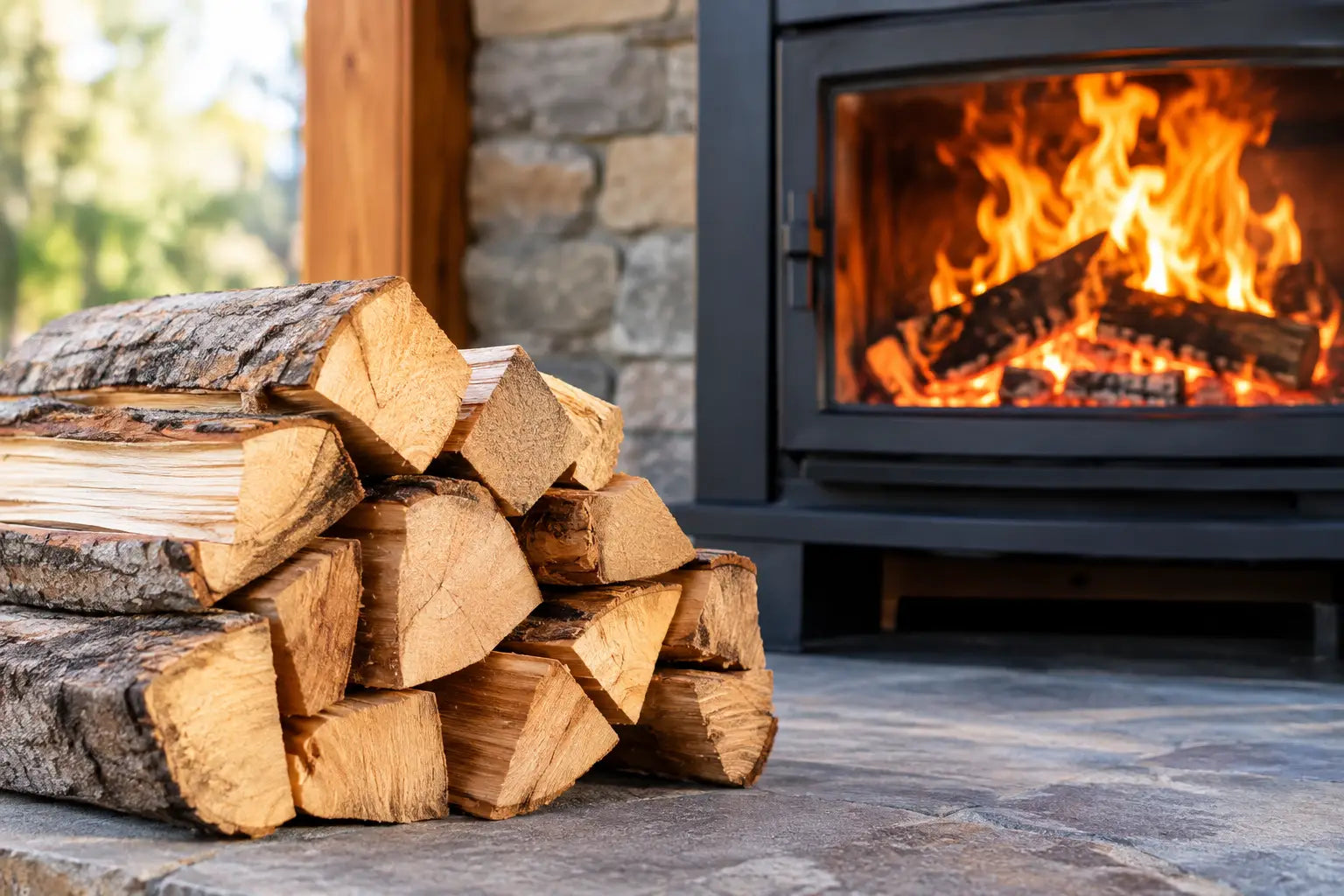
A stove loaded with damp logs can fill the room with frustration before it delivers much warmth. Kiln dried oak firewood removes that uncertainty. With a moisture content below 20%, it is ready to burn, easier to light and capable of producing the slow, lasting heat that makes oak a popular choice for UK homes.
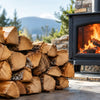
Oak is not the fastest-burning hardwood, and that is precisely the point. Once a good fire is established, properly dried oak logs provide a dense, consistent fuel bed that suits evening heating, closed appliances and homeowners who want fewer refills. The result is less time trying to revive a weak fire and more confidence that the fuel you have bought will perform as expected.
What makes kiln dried oak firewood different?
Freshly cut oak holds a great deal of water. Even air-dried logs can be unreliable if they have not been seasoned for long enough or have been stored poorly. When wood contains excess moisture, much of the fire's energy is spent boiling that water away instead of heating your room.
Kiln drying uses controlled heat and airflow to reduce the moisture content quickly and consistently. Ready to Burn certified logs must have a moisture content of 20% or less, giving customers a clear standard to buy against. It is a practical safeguard, especially when you do not have the space, time or conditions to season logs at home.
Dry oak generally lights more cleanly, produces more useful heat for its volume and creates less smoke than wet wood. It can also help reduce the build-up of soot and tar in a stove or flue when used correctly. No firewood eliminates maintenance requirements, but dry fuel makes responsible appliance use far more straightforward.
Oak is dense, slow-burning and best used once the fire is established
The character of oak matters as much as its moisture level. Oak is a dense hardwood, so it usually takes a little longer to catch than lighter woods such as birch or alder. For that reason, it is often best to begin with dry kindling and a fast-lighting firewood species, then add oak once there is a healthy bed of glowing embers.
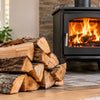
This is not a disadvantage. It is simply the right way to use a slower-burning log. Oak comes into its own when you want a sustained, even output rather than a short burst of flame. A few well-sized logs can be particularly effective in a wood-burning stove during a cold evening, where controlled airflow helps them burn efficiently.
Log size also affects the experience. Smaller oak logs are easier to ignite and suit smaller stoves, while larger split logs can give a longer burn in appliances with sufficient firebox space. Check your stove manufacturer's guidance before choosing a format, and avoid overfilling the appliance. A clean, active flame is preferable to restricting the air supply too early in an attempt to make logs last longer.
Is kiln dried oak firewood right for your home?
For many households, the answer is yes, but the best choice depends on how you use your appliance. If your priority is long-lasting heat and fewer top-ups, oak is an excellent option. It is also a sensible choice for regular stove users who buy fuel in volume and want consistent results throughout the heating season.
If you mainly light short, occasional fires, a quicker-burning hardwood may be more convenient on its own. Birch, for example, can establish a fire rapidly, while oak maintains it. Many experienced stove users keep both: a lighter wood and kindling for starting, with oak for the longer burn. That combination can be more practical than expecting one log type to do every job.
A fireplace presents a slightly different situation. Open fires lose more heat up the chimney than modern stoves, so fuel quality becomes even more important. Dry oak can provide a satisfying, steady fire, but use appropriately sized logs and maintain good airflow. Never burn treated timber, painted wood, old furniture or household waste. These materials can release harmful pollutants and damage your appliance or chimney.
For Smoke Control Areas, use an approved appliance where required and follow local rules. Choosing Ready to Burn fuel supports cleaner domestic burning, but it does not replace the need for a suitable stove, a properly maintained chimney and sensible firing practice.
How to judge quality before you buy
Moisture content is the first figure to look for. A supplier should be clear that its logs are below 20% moisture content and, where applicable, Ready to Burn certified. This gives you confidence that the fuel has been prepared for immediate domestic use rather than sold with a vague promise of being “seasoned”.
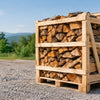
It is also worth comparing logs by volume, not only by the price of a bag. A cheap-looking net may contain relatively little wood, while a crate or larger pallet delivery may offer better value for households that burn regularly. Transparent information on loose volume, log length and pack format makes it easier to compare like for like and order the amount your household genuinely needs.
Look for clean, split logs with no obvious signs of excessive surface moisture. Some variation in shape and bark is normal with natural wood, but the logs should be handled and packed in a way that keeps them suitable for burning. Sustainable sourcing matters too. Choosing responsibly sourced hardwood helps ensure that reliable home heating does not come at the expense of woodland management.
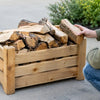
Candowe supplies kiln-dried hardwood logs in practical pack sizes, from convenient fire-box options to larger crates for customers planning ahead. Free delivery across most mainland UK postcodes and clear format information can make bulk ordering simpler, particularly when local supplies are inconsistent.
Storing kiln dried oak logs properly
Buying dry logs is only half the job. Poor storage can allow them to take on moisture again, reducing the benefits you paid for. Keep oak off the ground on a pallet, rack or raised base, with enough airflow around the sides. A covered log store, shed with ventilation or sheltered outdoor area is usually ideal.
Protect the top from rain, but do not wrap the whole stack tightly in plastic. Trapped moisture and poor ventilation can encourage mould and leave the logs damp. If you buy a crate, remove packaging as appropriate and make sure air can circulate once it is in its final storage position.
Bringing a small supply indoors one or two days before use is helpful, particularly in cold or wet weather. Keep logs away from direct contact with a stove or open flame, and do not store large quantities inside living areas. Good fuel storage is tidy, safer and a simple way to preserve burn quality.
Getting the best burn from oak logs
Start with a clean stove and an empty ash pan if your appliance instructions require it. Build a small, well-ventilated fire with dry kindling and a firelighter or suitable smaller logs. Give it enough air to establish a bright flame before adding one or two oak logs.
Once the oak has caught, adjust the air controls in line with your stove guidance. Avoid closing them down so far that the fire smoulders. Smouldering wood produces more smoke, gives less effective heat and can increase deposits in the flue. A visible flame and clean glass are useful signs that the stove is operating well, although every appliance behaves differently.
Have your chimney swept at the recommended interval and arrange servicing where needed. Fuel quality, appliance maintenance and correct operation work together. Premium dry logs cannot compensate for a blocked flue or a stove used outside its intended settings.
When the forecast turns colder, ordering before your store is empty gives you more choice over format and avoids last-minute reliance on damp, unknown logs. Keep a dry starter fuel on hand, give oak the established fire it needs, and it will repay you with dependable warmth when your home needs it most.