Skip to content
A Crate of Hardwood Logs: Checks Before Buying
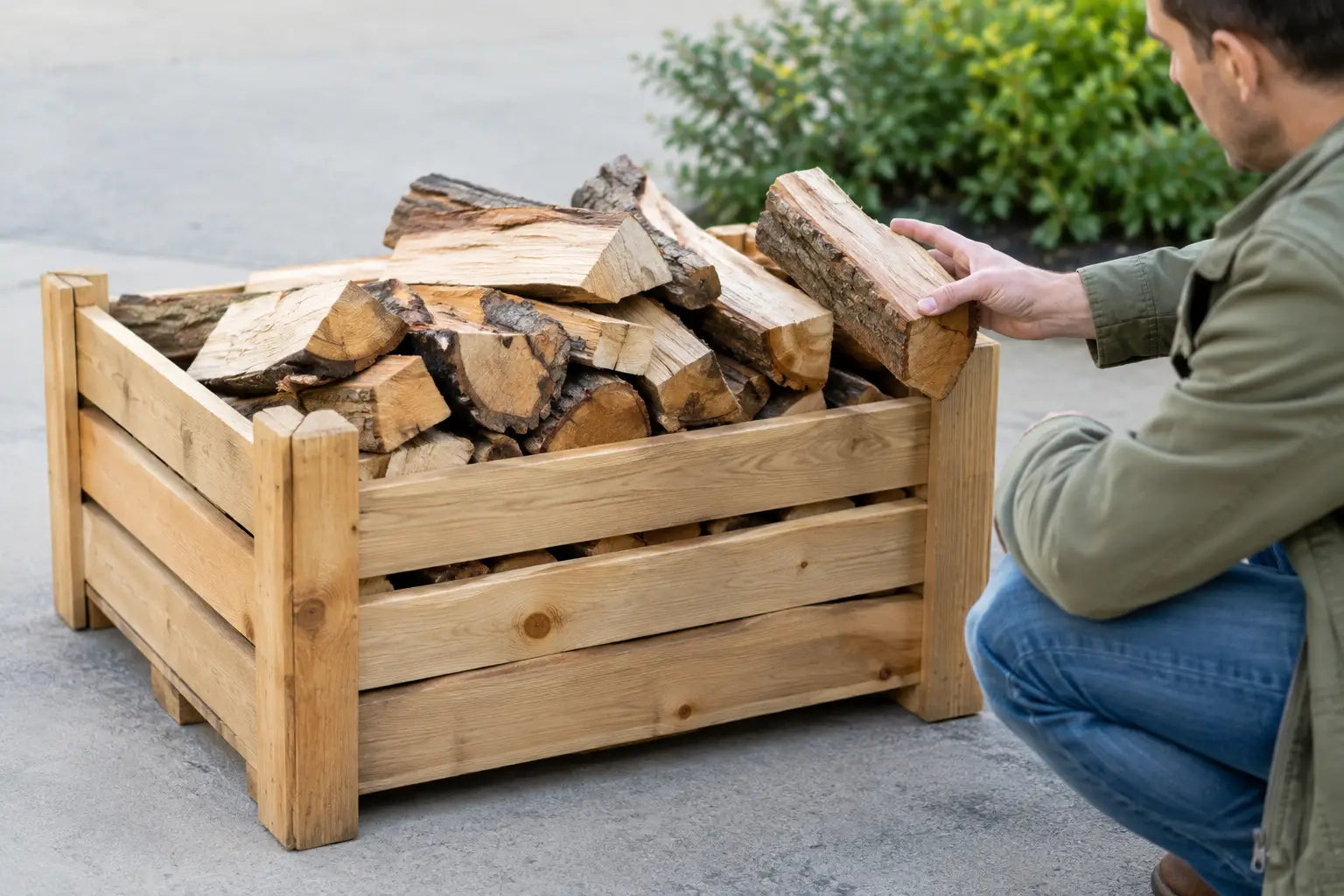
A crate of hardwood logs is a practical answer when small bags no longer keep pace with your stove or fireplace. It gives you a substantial supply in one delivery, reduces the need for repeated orders and makes it easier to plan fuel costs across the colder months. The key is making sure the crate contains genuinely dry, correctly sized logs in a volume that suits both your appliance and storage space.
For UK households using a log burner regularly, bulk firewood should save effort without introducing uncertainty. That means looking beyond the headline price and checking the wood species, moisture standard, stated volume and delivery arrangements before ordering.
What a crate of hardwood logs should give you
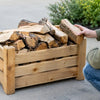
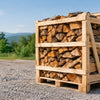
A crate is usually supplied on a pallet and holds neatly stacked logs rather than a loose heap. This makes it a sensible choice for customers who want a larger quantity of fuel but still need a format that can be delivered efficiently to the home or business premises.
The main benefit is consistency. Quality kiln-dried hardwood should arrive ready to burn, with moisture content below 20%. Dry wood lights more easily, produces a cleaner flame and gives more usable heat than damp or poorly seasoned logs. It also helps reduce excessive smoke, tar deposits and blackening on stove glass.
A crate is particularly useful if you burn wood several times a week, rely on a stove as a meaningful source of room heat, or want to stock up before demand rises in winter. It can also suit holiday lets, small hospitality businesses and rural properties where frequent collection of bagged fuel is inconvenient.
It is not automatically the best choice for every household. If you only light an occasional open fire, a fire-box or a few net bags may be easier to store and manage. Bulk buying works best when you have a dry, accessible place ready for the delivery.
Check the hardwood species, not just the word “hardwood”
Hardwood is a broad term. Different species burn differently, so the right choice depends on how you use your appliance and what you value most.
Oak is dense and slow burning, making it a strong option for long stove sessions once a good fire bed is established. Hornbeam is also very dense and valued for its long-lasting heat output. Both are well suited to customers who want to maintain steady warmth rather than continually refuel.
Ash is a dependable all-round firewood. It lights well, burns cleanly when properly dried and gives good heat, which makes it a popular choice for everyday use. Birch catches quickly and creates an attractive, lively flame, although it generally burns faster than heavier species such as oak or hornbeam. Alder is another useful option for a responsive fire and can work well where easier lighting is a priority.
There is a trade-off between quick flame and burn duration. A crate of dense logs may last longer, but a mixed approach can be more practical. Many households use quicker-lighting wood to establish the fire, then add denser hardwood logs to extend the burn. Always follow your stove manufacturer’s guidance and avoid overloading the appliance.
Moisture content is where fuel value is won or lost
The most important specification on any firewood order is moisture content. Wood with a high water content uses much of its heat simply drying itself in the fire. The result is a weaker flame, more smoke and less warmth reaching the room.
Kiln-dried, Ready to Burn certified logs are produced for immediate domestic use. They remove the uncertainty that comes with buying untested “seasoned” firewood, which may have been stored outdoors or cut too recently to burn efficiently.
When comparing crates, look for a clear statement that the logs are Ready to Burn and contain less than 20% moisture. This is not just a useful label. It is a practical assurance that the wood is suitable for cleaner, more efficient home heating.
Dry logs also tend to be easier to handle. They are lighter than wet wood, less likely to encourage mould in storage and more predictable from one fire to the next. That predictability matters when you are buying in bulk.
Understand crate volume before comparing prices
Two crates can look similar online yet contain different amounts of firewood. A lower price does not necessarily mean better value if the stated volume is smaller or if the crate is packed less efficiently.
Check whether the supplier gives the volume in cubic metres and whether this refers to neatly stacked logs or loose volume. Stacked volume is measured with logs arranged in the crate, while loose volume includes the spaces created when logs are tipped into a container. Neither measure is wrong, but they are not directly interchangeable.
Log length matters as well. Most domestic stoves accept standard firewood lengths, but smaller appliances may need shorter logs. Measure the depth and width of your firebox before ordering, allowing enough room for safe airflow around the fuel. A log that is technically able to fit but leaves no space for air will not burn at its best.
For a fair comparison, consider the delivered price per cubic metre, the moisture specification, species and any included extras such as kindling. A transparent supplier should make these details easy to find rather than asking you to guess from photographs.
Plan delivery and storage before the pallet arrives
A crate is convenient once it is in place, but it needs a sensible delivery route. Pallet deliveries are typically made to an accessible kerbside location or hard, level surface. Loose gravel, steep slopes, narrow gates and steps can make movement difficult for pallet equipment.
Before ordering, consider whether the delivery vehicle can reach your address and where the crate can be left safely. If you live on a narrow rural lane or have restricted access, it is worth checking the supplier’s delivery information in advance.
Your storage area should keep the logs dry while allowing air to circulate. A purpose-built log store, covered side passage or dry shed can all work well. The goal is protection from rain, not an airtight enclosure.
For dependable storage, follow four simple principles:
- Keep the crate or logs off bare ground where possible, so moisture cannot rise from below.
- Cover the top against rain, while leaving the sides open enough for airflow.
- Store fuel away from external walls if damp is likely to be an issue.
- Bring a small working supply indoors only when needed, rather than filling the house with logs for weeks.
Make the crate last longer in the stove
Burning efficiently is not about closing every air control and hoping the logs smoulder for hours. Restricted airflow can create smoky combustion, dark glass and unnecessary deposits in the flue. A bright, controlled flame is generally a better sign that the wood and appliance are working properly together.
Start with dry kindling and smaller pieces, then add logs once the fire is established. Use the air controls according to your stove’s instructions, and avoid placing too many large logs on at once. A well-built fire with dry hardwood gives more useful heat than an overloaded firebox.
Regular sweeping and servicing are part of responsible solid-fuel heating. The frequency depends on how often you burn and the fuel you use, but a clean flue supports safer operation and helps your appliance perform as intended.
When buying a crate makes most sense
A bulk crate is often the sensible format for regular burners who have enough storage, want fewer deliveries and prefer to know their fuel supply is already in hand. It is also a good fit for buyers who value a clear moisture standard over the variable quality sometimes found in locally sourced, untested logs.
Candowe supplies kiln-dried hardwood in practical crate formats alongside smaller packs, kindling and other solid fuels, so customers can choose a quantity that reflects how they actually heat their homes. Free delivery across most mainland UK postcodes and clear product specifications make bulk planning more straightforward.
Before placing an order, measure your storage space, check access for a pallet delivery and choose a species that matches the way you burn. A well-stored crate of dry hardwood logs should not be a winter worry waiting by the back gate. It should be reliable fuel, ready whenever the temperature drops.