Skip to content
Birch Logs for Fireplace Use Explained
A fireplace that struggles to light, spits smoke into the room or leaves you with disappointing heat usually comes down to one thing - the wood. Birch logs for fireplace use are popular for a reason: they light easily, burn cleanly when properly dried and give a lively flame that suits both open fires and many wood-burning appliances.
That said, not all birch is the same. The difference between damp, poorly stored logs and kiln-dried birch with moisture below 20% is obvious from the first match. If you want dependable performance, less mess and fuel that is ready to burn on delivery, it helps to understand what birch does well and where it sits compared with denser hardwoods.
Why choose birch logs for fireplace heating?
Birch is often chosen by households that want a fast, straightforward fire without the hassle of coaxing damp logs into life. It catches quickly, produces an attractive flame and gives a good level of heat early in the burn. For many people, that makes it a very practical option for evening fires, taking the chill off a room quickly or topping up heat in a stove that is already warm.
Another advantage is consistency when the wood is kiln-dried and Ready to Burn certified. Lower moisture content means the energy in the log goes into heat rather than wasting effort driving out water. You get easier lighting, a cleaner burn and less smoke. It also helps reduce soot build-up compared with burning wet or unseasoned wood.
Birch sits in a useful middle ground. It is not as slow-burning and dense as oak or hornbeam, but it is often easier to light and can be a better choice when convenience matters just as much as burn duration.
How birch burns in a fireplace
Fast ignition and bright flame
One of birch's strongest qualities is how readily it lights. That makes it well suited to open fireplaces, where a quick and lively flame is often part of the appeal. The bark also helps with ignition, although that only works in your favour when the logs themselves are properly dried.
For households using a fireplace for comfort and atmosphere as well as heat, birch performs well because the flame picture is bright and active. You are not waiting around for the fire to get going.
Heat output and burn time
Birch provides solid heat, particularly at the start of the burn, but it tends to burn faster than heavier hardwoods. In practical terms, that means you may need to refuel a little more often if you are heating a room for several hours.
Whether that is a drawback depends on how you use your fire. If you want a quick, responsive fuel for evenings or occasional use, birch is often an excellent fit. If your priority is very long burn time with fewer top-ups, denser species may suit you better.
Clean burning depends on moisture
The real issue is not just species but dryness. Birch with moisture above 20% will not give you the clean-burning performance people expect. Damp logs can hiss, smoulder and create more smoke than useful heat. Kiln-dried birch avoids that problem and gives much more reliable results across fireplaces, stoves and log burners.
Birch compared with other firewood options
Choosing the right wood is often about matching the fuel to your appliance and routine.
Birch versus oak is a common comparison. Oak is denser and usually burns for longer, which appeals to households looking for sustained heat. Birch is easier to light and more responsive, so it can be the better everyday choice when convenience matters.
Compared with ash, birch is similarly practical but often burns a little faster. Compared with hornbeam, birch is less dense and less long-lasting, but it is also easier to get going. Alder is another easy-burning option, though birch is often preferred for its flame quality and heat response.
There is no single best species for every situation. Many households get the best results by using birch to start and establish the fire, then adding a denser hardwood if a longer burn is needed.
When birch logs for fireplace use make the most sense
Open fires and occasional burning
If you use an open fireplace a few evenings a week, birch is a sensible choice. It lights quickly, looks good when burning and gives comfortable heat without too much waiting about. For occasional use, that responsiveness is often more useful than maximum density.
Stove users who want easier starts
Birch also works well in wood-burning stoves, particularly at the start of a burn cycle. It helps bring the firebox up to temperature quickly, which can improve overall combustion before you add slower-burning logs.
Households that value convenience
For many buyers, the main benefit is simply removing uncertainty. Properly dried birch logs in practical pack formats are easier to store, easier to handle and ready to use straight away. That matters if you do not have the time or space to season wood yourself.
What to look for when buying birch logs
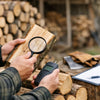
The first thing to check is moisture content. For clean, efficient burning, logs should be below 20% moisture. Ready to Burn certification gives added reassurance that the wood meets the standard expected for domestic use.
The next factor is format. Some households prefer net bags or smaller packs for convenience and tidy storage. Others get better value from larger crates or pallet quantities, especially if they burn regularly through autumn and winter. Transparent volumetric pricing makes it easier to compare options properly rather than guessing value from bag appearance alone.
Log size matters too. A well-sized log saves time and frustration because it fits your appliance without extra cutting or awkward stacking. If you are buying for a stove, always match the log length to the firebox.
Finally, consider delivery reliability. Firewood is not much use if it arrives late, damp or poorly packed. For many customers, nationwide delivery, clear lead times and consistent packaging are just as important as the species itself.
Storing birch logs properly
Even kiln-dried birch needs sensible storage once delivered. Keep it in a dry, ventilated place off the ground, ideally under cover but with airflow around the stack. A shed, log store or sheltered outbuilding works well if moisture cannot get in.
The main mistake is sealing logs into a damp space with no ventilation. That can undo the benefit of kiln drying. If you buy in bulk, it is worth planning storage before delivery so the wood stays in ready-to-burn condition.
For households short on space, smaller boxed or bagged quantities can make storage easier. The right format depends on how often you burn and how much room you have available.
Getting the best results from birch
Start with dry kindling and adequate airflow, then add birch logs once the flame is established. Because birch ignites readily, you usually do not need to overload the fireplace early on. A modest start often produces a cleaner and more controllable fire.
Avoid slumbering the fire for long periods, especially in appliances designed to burn efficiently at higher temperatures. Burning cleanly is better for heat output and better for the appliance and flue.
If you want longer-lasting heat, mix birch with a denser hardwood rather than relying on one species alone. That gives you the ease of ignition from birch and the staying power of heavier logs.
Is birch good value?
Value is not just the purchase price. It is how well the logs burn, how much usable heat you get and whether they arrive ready to use. Cheap wet logs can turn out expensive once you factor in poor performance, wasted fuel and the inconvenience of trying to dry them at home.
Kiln-dried birch often represents strong value for customers who want predictable results. You may refill the fire a bit more often than with the densest hardwoods, but many households find the easy lighting, clean burn and reliable heat more than justify that trade-off.
For regular burners, buying in larger quantities can improve overall value and reduce the risk of running short during colder spells. That is one reason suppliers such as Candowe focus on clear product formats, dependable moisture standards and delivery that fits real household heating needs.
If you want a fireplace fuel that is easy to light, clean-burning and practical for everyday use, birch is a sound choice. The key is buying it properly dried, storing it well and matching it to how you actually heat your home rather than chasing a one-size-fits-all answer.