Skip to content
Firewood Kiln Dried for Reliable Home Heating
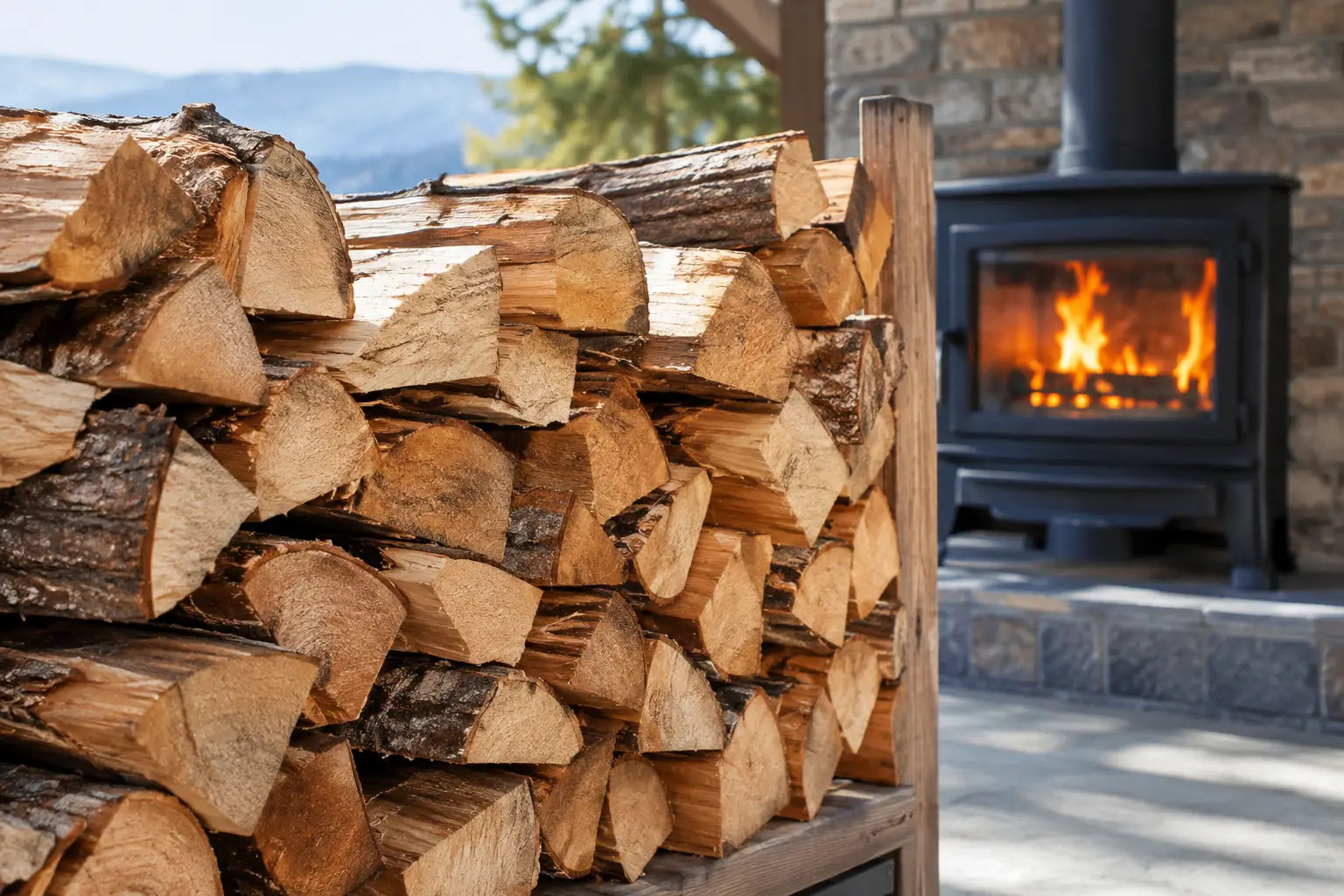
A stove can look as though it is working hard while giving very little useful heat. Damp logs hiss, blacken the glass and leave the room waiting for warmth. Firewood kiln dried is made to avoid that frustration: it arrives with a reliably low moisture content, so it is ready to burn rather than needing months of storage and guesswork.
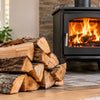
For households buying fuel for a log burner, open fire or multi-fuel stove, the difference is practical. Dry logs light more easily, burn with a steadier flame and produce less smoke than wet wood. They also make it simpler to plan your fuel supply, whether you need a few convenient packs or a larger delivery for the colder months.
What does firewood kiln dried mean?
Kiln-dried firewood is timber that has been dried in a controlled kiln until its moisture content is reduced, typically to below 20%. Heat and airflow remove moisture more consistently than air seasoning alone. The result is logs with a known, usable moisture level instead of wood that may look dry on the outside but still hold substantial water at its centre.
That moisture figure matters because a fire spends energy evaporating water before the wood can burn properly. The wetter the log, the more heat is wasted in the process. A dry log directs more of its energy into heating your room, not boiling off moisture in the firebox.
For domestic use in England, wood sold in volumes below two cubic metres must meet the Ready to Burn standard if it is supplied for use in a solid-fuel appliance. Ready to Burn certification offers a useful assurance that the wood meets the required moisture limit. It is especially valuable when buying online, where you cannot inspect every log before delivery.
Why kiln-dried logs perform better
The first benefit is easier lighting. A good fire still needs the right method - dry kindling, adequate airflow and a suitable firelighter - but low-moisture logs catch more readily and settle into a reliable burn. This means less time opening the stove door, rearranging reluctant logs or adding unnecessary kindling.
Cleaner burning is the second benefit. Burning wet wood creates more smoke, soot and deposits in the stove and flue. No fuel removes the need for regular sweeping and appliance maintenance, but properly dried logs help reduce the avoidable mess caused by excess moisture. You are more likely to enjoy a clearer stove glass and a more responsive fire.
There is a value benefit as well. Comparing only the price of a bag can be misleading. A cheaper bag of damp logs may contain water you cannot burn for heat. The fairer comparison is usable heat, convenience and the amount of fuel required to keep the room comfortable. Kiln-dried logs often offer better value because each load burns more effectively.
Choosing the right kiln-dried hardwood
Wood species affects flame, burn length and how you use the stove. There is no single best log for every household. The right choice depends on your appliance, the size of your firebox and whether you want a quick evening fire or sustained heat through a long, cold day.
Birch and alder for an easy, lively fire
Birch lights readily and produces an attractive, bright flame. It is a practical choice for regular stove users who value a straightforward fire and good heat output. Its bark can help with lighting when the wood itself is dry, although kindling is still the dependable way to establish a fire.
Alder is another useful option for a clean, responsive burn. It tends to suit customers who want logs that are easy to handle and reliable for everyday use. Both can work well when you are lighting from cold or topping up a fire that is already established.
Ash, oak and hornbeam for lasting heat
Ash is widely valued as a dependable firewood because it burns well and gives consistent heat. It is a strong all-round option for stoves and fireplaces, particularly where you want a balance between lighting performance and a satisfying burn time.
Oak is denser and can burn more slowly, making it a sensible choice for maintaining heat. It benefits from a well-established fire and good airflow. Hornbeam is also a dense hardwood, valued for high heat output and long-lasting embers. These heavier woods can be particularly useful for households using their stove as a meaningful source of supplementary heating.
Mixing species can be sensible. Use a faster-lighting wood to get the fire going, then add denser hardwood logs once the stove is hot. This approach provides both convenience and duration without treating every log as though it should do the same job.
Firewood kiln dried formats: buy for how you burn
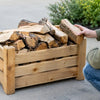
The most suitable pack size is not always the largest one. A household with limited outside storage may be better served by net bags, plastic bags or fire-box packs that can be moved easily and kept close to the stove. They are also useful for occasional users, weekend fires and customers who want to try a species before committing to a larger quantity.
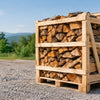
Hard crates and palletised deliveries generally suit regular stove users and bulk buyers. They make sense when you have a dry, accessible storage area and want to reduce the frequency of reordering. When comparing crates, check the stated loose volume, log length and price per cubic metre rather than relying on a photograph or the word ‘large’. Transparent volumetric information makes it easier to compare like for like.
Also consider access before ordering. A pallet delivery needs a suitable, reasonably level drop-off point, and the driver may not be able to move the load beyond the kerbside or driveway entrance. Smaller packs offer more flexibility where access is restricted, while larger deliveries can provide stronger value when storage and access are straightforward.
Store dry logs properly after delivery
Kiln drying gives you a head start, but storage protects that quality. Keep logs outdoors or in a well-ventilated log store, raised off the ground and shielded from direct rain. Cover the top rather than wrapping the entire stack tightly, as trapped air can encourage damp conditions.
Avoid keeping a season’s supply in a sealed shed with little ventilation. It may be dry when delivered, but it still needs airflow. Bringing a small number of logs indoors a day or two before use is fine, especially in winter, but storing large quantities beside the stove can create unnecessary mess and take up valuable space.
If your logs become wet in heavy rain, do not assume the whole batch is unusable. Surface moisture can dry with airflow, but soaked wood needs time before it will perform at its best. Good storage is therefore part of getting the value you paid for.
Get more heat from every load
Dry fuel works best with correct stove operation. Start with dry kindling and enough airflow to establish a hot flame. Add logs without overfilling the firebox, then adjust the air controls according to your appliance manufacturer’s guidance. Closing the air down too early can lead to smoky, inefficient burning even when the wood is properly dried.
It is also worth matching log size to your stove. Oversized logs can restrict airflow and make loading awkward, while very small logs may burn through quickly. Check your appliance manual for recommended log length and never burn treated timber, painted wood, household waste or unsuitable fuels.
A regular chimney sweep remains essential. Kiln-dried logs support cleaner combustion, but flues and stoves still need professional care. This protects performance, helps identify issues early and gives you confidence each time you light the fire.
A practical choice for winter fuel planning
Buying dry logs before you urgently need them gives you more control over storage, delivery timing and pack size. For regular users, ordering enough fuel for a planned period can reduce the risk of running short during a cold spell. For occasional users, smaller ready-to-use packs prevent a large supply sitting unused for too long.
Candowe supplies Ready to Burn certified kiln-dried logs in a range of species and formats, helping households compare fuel by volume and choose a delivery that suits their storage space. With low-moisture wood, free delivery across most mainland UK postcodes and clear product information, stocking up need not involve uncertain local supplies or wet bags of logs.
The most useful test is simple: choose dry, certified fuel in a format you can store properly, then burn it in line with your appliance guidance. Your stove should reward that decision with easier lighting, cleaner glass and dependable warmth when you want it most.