Skip to content
Premium Hardwood Logs Delivered Across the UK
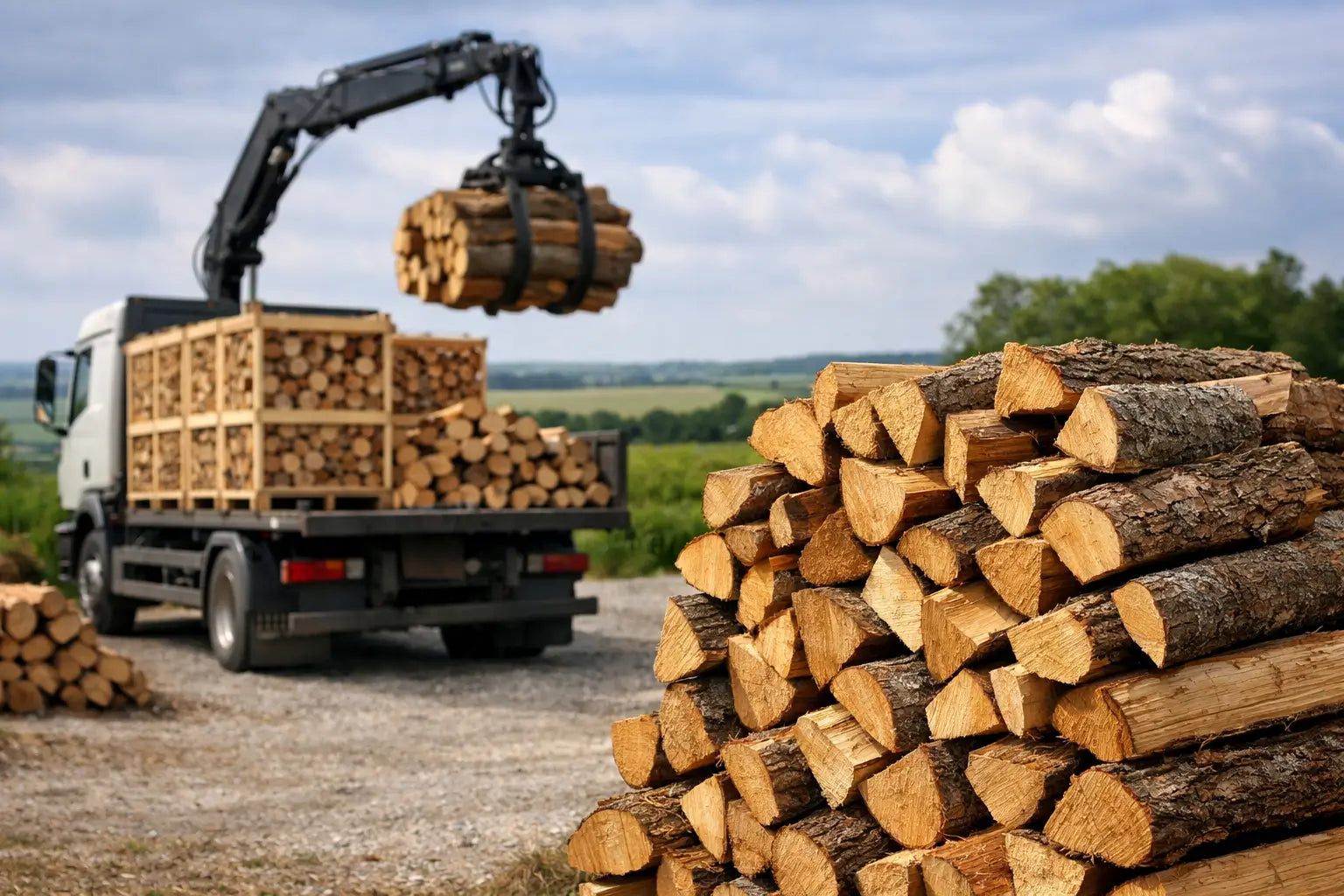
A stove that struggles to light, blackens the glass quickly or burns through a basket of logs in an evening is usually telling you something about the fuel. Ordering premium hardwood logs delivered removes much of that uncertainty. Properly kiln-dried logs arrive ready to use, with a known low moisture content and a format that makes it easier to plan your household fuel supply.
For homes that rely on a log burner, open fire or multi-fuel stove, the right logs are not a decorative extra. They affect heat output, chimney cleanliness, storage space and how often you need to restock. The best choice depends on your appliance, how often you burn wood and whether you need a few evenings of fuel or a larger winter supply.
Why premium hardwood logs delivered make a difference
Freshly cut wood contains a high level of water. Burning it means your stove must first use energy to drive off that moisture before the wood can provide useful heat. The result is often a cooler, smokier fire, more deposits in the flue and logs that seem to disappear far too quickly.
Kiln-dried hardwood logs with a moisture content below 20% are designed to avoid that problem. They light more readily, burn with a more consistent flame and produce dependable heat. In England, wood sold in small volumes for domestic burning must meet the Ready to Burn standard, so certification gives buyers a clear indication that their logs are suitable for immediate use.
Hardwood is generally denser than softwood, which can mean a longer, steadier burn. That does not mean every hardwood behaves in exactly the same way. Oak is dense and long-lasting but benefits from a well-established fire. Birch lights easily and gives a bright flame, while ash offers a reliable balance of easy lighting and sustained heat. Alder can be a practical option where a quick, clean fire is preferred, and hornbeam is valued for its density and strong heat output.
The practical benefit of having logs delivered is consistency. Rather than collecting mixed, unverified firewood from a local source and hoping it has been stored correctly, you can order a defined fuel type and volume. This is particularly useful before colder weather arrives, when local supplies can become less predictable.
Choose the hardwood to suit your stove
There is no single best log for every household. A small stove used for a couple of hours in the evening needs something different from a larger appliance that provides regular background heat through winter.
Birch is a popular choice for households that want an attractive, responsive fire. Its bark catches well and it produces a lively flame, making it useful for lighting or for shorter burns. Because it burns relatively quickly compared with the densest hardwoods, it can be sensible to pair it with a slower-burning log if you want to keep the stove going for longer.
Ash is often chosen as an all-round firewood. It lights well, burns evenly and delivers good heat, so it suits regular stove users who want a dependable, uncomplicated fuel. Oak has a slower-burning character and can provide a strong, long-lasting heat bed once the appliance is up to temperature. It is well suited to longer evening burns, although it is not always the quickest option to get started.
Hornbeam is one of the denser choices for those looking for sustained heat. It can be especially useful in larger stoves or for homes using wood as a meaningful part of their heating routine. Alder is lighter and faster-burning, making it a good option for quick warmth or for mixing with denser logs.
Using more than one species can be a sensible approach. Start with kindling and an easy-lighting hardwood, then add denser logs once the fire is burning cleanly. This gives you control without relying on a single type of fuel for every fire.
Do not judge logs by bag size alone
A bag can look generous while containing surprisingly little usable wood. When comparing firewood, check the stated loose volume, log length and number of bags or crates included. Price per cubic metre is often the clearest way to compare larger orders, while net bags and fire-box packs can be more convenient for occasional use or limited storage.
Hard crates and palletised formats usually make more sense for regular burners. They reduce the frequency of orders and can offer better value by volume. Smaller bags are easier to handle, particularly if access is tight or you only need a modest reserve beside the stove. The right format is the one that matches both your burn rate and the space you have available.
What to check before ordering hardwood logs online
Online ordering should make buying firewood clearer, not more complicated. Before placing an order, look beyond the headline price and confirm the details that affect performance and value.
First, check the moisture content and Ready to Burn status. A claim that logs are “seasoned” is not the same as a clear statement that they are below 20% moisture. Kiln-dried, certified logs are a better fit when you need fuel that can go straight into the log store and then into the stove.
Next, consider log size. Most domestic stoves work best with logs that fit comfortably without forcing the door shut or overfilling the firebox. Measure the internal width of your stove if you are unsure, allowing enough room for airflow around the logs. Smaller logs are easier to manage and light, while larger pieces may suit bigger appliances and longer burns.
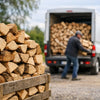
Delivery arrangements matter too. Larger fuel orders are commonly delivered on pallets, so think about where the lorry can safely leave the goods and how you will move them into storage. A front drive, firm level surface or accessible garage makes the process much easier. If your property has steps, gravel, a steep slope or restricted access, it is worth planning ahead rather than expecting a pallet to reach the final storage spot.
Also check whether delivery is included for your postcode and the expected dispatch times. Free delivery across most mainland UK postcodes can make a substantial difference to the total cost of a bulk order. For households preparing for winter, ordering before the first sustained cold spell gives you more choice and avoids last-minute pressure.
Store kiln-dried logs so they stay dry
Even the best logs can lose their advantage if they are left exposed to rain or placed directly on damp ground. A dry log store with a roof, open sides or ventilation gaps and a raised base is ideal. Airflow helps prevent moisture building up around the wood, while the roof keeps rainfall off the stack.
Avoid wrapping logs tightly in plastic once they are stored outside. It can trap condensation and restrict airflow. If your logs arrive in bags, move them into a suitable store when practical, or keep the bags covered and off the ground until you are ready to use them.
Bringing a small quantity indoors a day or two before burning can be helpful, especially in wet weather. There is no need to keep a large pile beside the stove, but allowing the surface of the logs to warm and dry can support easy lighting. Keep all fuel stores safely away from open flames and do not block ventilation around the appliance.
Better fuel use starts with a clean burn
Dry hardwood is only part of the picture. To get the best from it, light the stove with adequate kindling and airflow, then allow the fire to establish before adding larger logs. Restricting the air supply too early can create a smoky, inefficient burn and leave more soot on the glass and inside the flue.
Use the manufacturer’s guidance for your appliance, have the chimney swept at appropriate intervals, and never burn treated timber, painted wood or household waste. These materials can release harmful fumes and create damaging deposits. Certified wood fuel, used correctly, gives you a cleaner and more predictable alternative.
For many households, buying a larger supply before winter is the simplest way to keep heating plans on track. Candowe offers kiln-dried hardwood in practical formats, with transparent volume information and delivery options intended to take the uncertainty out of stocking up.
A warm, steady fire begins long before the match is struck. Choose dry logs that fit your stove, order enough for the way you actually burn, and store them properly. The reward is straightforward: less effort at the hearth and more dependable heat when you need it.