Skip to content
How to Order Heating Fuel Online with Confidence

A cold evening is not the time to find that the log store is low, the bags are damp or your usual supplier has no stock. Knowing how to order heating fuel online gives you more control over quality, cost and delivery, while allowing you to buy the fuel that genuinely suits your stove, fireplace or boiler.
The best online order is not always the largest or cheapest-looking option. It is the one that provides suitable fuel, clear volume information, dependable delivery and clean, efficient heat when you need it.
Start with the fuel your appliance is designed to burn
Before comparing prices or bag sizes, check the appliance manual and any markings on your stove. Wood-burning stoves, multi-fuel stoves, open fires and pellet appliances each have different requirements. Burning the wrong fuel can reduce efficiency, create excessive ash or deposits, and may damage the appliance over time.
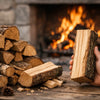
For a wood-burning stove or fireplace, kiln-dried logs are a practical choice because they arrive ready to burn. Look for Ready to Burn certification, which confirms that firewood sold in small volumes meets the required moisture standard of below 20%. Drier wood lights more easily, produces more useful heat and creates less smoke and soot than wet or poorly seasoned logs.
Hardwood logs such as ash, hornbeam, oak and birch are popular for their steady heat output and longer burn characteristics. Alder can be a useful option when you want a lighter, easy-lighting fire. The right species depends on how you use your fire: a quick evening fire, regular stove heating or longer overnight burning all call for slightly different priorities.
If you have a pellet stove, buy wood pellets specified for that appliance rather than loose logs or briquettes. For a multi-fuel stove, check whether it is approved for smokeless fuel, coal products or briquettes. In smoke control areas, you must use an authorised fuel or an exempt appliance. This is worth confirming before you order, particularly if you are changing from logs to solid fuel for the first time.
How to order heating fuel online in the right quantity
Online suppliers commonly sell fuel in net bags, fire-box packs, bulk bags, hard crates and pallet deliveries. Each format has a place, but comparing them requires more than looking at the number of bags.
Smaller packs are useful for occasional fires, limited storage space or trying a new log type. They are easier to carry and keep tidy, but their cost per cubic metre is often higher. Crates and palletised loads generally provide better value for regular stove users and households relying on solid fuel through the colder months.
Check whether the stated volume is a loose volume or a stacked volume. A crate of neatly packed logs and a bag filled loosely can look similar at first glance while containing different quantities of usable fuel. Transparent information about dimensions, weight where relevant and volume per product makes it easier to compare like for like.
A sensible starting point is to consider your recent use. If you only light the stove at weekends, a few bags or a compact fire-box pack may be enough. If the stove supplements central heating most days, a crate or pallet can reduce the need for repeated orders. Households using a log burner as a principal heat source should plan their seasonal supply, but avoid ordering more than they can keep dry and well ventilated.
Fuel demand also depends on insulation, room size, stove efficiency and how warmly you run the property. There is no single quantity that suits every home. Ordering an initial amount from a reliable supplier can help you understand your real usage before committing to a larger delivery.
Read the product details, not just the headline price
A low price is only good value when the fuel performs as expected. Product descriptions should make clear what you are receiving, including fuel type, log species, moisture standard, pack format and approximate volume. For logs, check that the typical log length will fit comfortably inside your stove. Logs that are too long are inconvenient and should not be forced into the firebox.
For kiln-dried firewood, moisture content is one of the most useful quality measures. Wood below 20% moisture burns more efficiently because less energy is spent evaporating water. It also helps keep the stove glass, flue and surrounding area cleaner when the appliance is operated correctly.
Think about what comes with the main fuel. Kindling and natural firelighters can make lighting faster and more consistent, especially in colder or damper weather. Some bulk fuel offers include kindling, which can improve the overall value of an order. If you are buying briquettes, smokeless coal or anthracite, check the size and grade recommended for your appliance.
Sustainable sourcing matters too. Responsible wood fuel supports better woodland management and gives buyers greater confidence in the supply chain. Certification and clearly stated sourcing information are practical trust signals, not just marketing claims.
Check delivery access before you pay
Heating fuel is heavier and bulkier than many online purchases. A smooth delivery starts with an honest assessment of access to your property. Palletised crates may arrive on a lorry with a tail lift and be moved using a pallet truck. This usually needs a firm, level surface such as a driveway or paved path.
Gravel, steep slopes, narrow gates, steps and soft ground can restrict where a pallet can be placed. Delivery drivers cannot normally carry crates through a house, up stairs or over obstacles. If kerbside or driveway placement is the only practical option, make sure you can move the fuel into storage afterwards.
At checkout, provide an accurate postcode, a working contact number and any relevant delivery notes. Mention tight access, a shared drive, a preferred safe location or other details that could affect the delivery. It is better to establish what is possible before dispatch than to discover a problem when the lorry arrives.
Check the stated delivery area and lead time as well. Free delivery across most mainland UK postcodes can make bulk orders much easier to budget for, but remote locations may have different arrangements. If your supply is running low, do not leave ordering until the last bag. Allow time for fulfilment and delivery, particularly during the autumn and winter rush.
Prepare dry storage before your fuel arrives
Even premium kiln-dried logs need the right storage once delivered. Keep them off the ground, protected from rain and exposed to airflow. A covered log store with open sides is ideal. If you are storing logs in a garage or shed, avoid sealing them in a damp, unventilated corner.
Bring only a small amount indoors at a time. This keeps the living area tidy and allows the bulk of the fuel to remain in suitable storage. Bags of pellets, briquettes and smokeless fuel should stay dry, as moisture can cause them to break down or become difficult to use.
Storage capacity should influence order size. A large pallet may offer strong value, but it is not a bargain if it blocks access, gets wet or leaves you with nowhere safe to stack it. Measure the available space before ordering and allow room to move around the store.
Place the order with a clear plan
Once you have selected compatible fuel, the right pack size and a suitable delivery option, ordering online should be straightforward. Review your basket carefully, including quantities, delivery address and any access notes. Keep the order confirmation so you can check the delivery details and product specification on arrival.
Payment flexibility can be useful when stocking up for winter, particularly for larger crates or pallet orders. However you choose to pay, focus on the total delivered cost rather than the unit price alone. A dependable delivery, certified dry logs and clear volume information can save money over time by reducing waste and giving more consistent heat.
Candowe offers a broad choice of Ready to Burn kiln-dried logs, pellets, briquettes and complementary solid fuels, allowing households and trade buyers to choose a format that fits their appliance, storage space and expected use.
When your fuel arrives, inspect the outer packaging or crate for obvious delivery damage before storing it away. Then use the fuel as intended: build fires with adequate airflow, avoid overfilling the stove and have the chimney or flue maintained at appropriate intervals. Good fuel works best alongside good appliance care.
A well-timed order is one less job to worry about when temperatures fall. Choose fuel you can verify, store it properly and give yourself enough lead time. Your stove will be easier to light, your heat will be more consistent, and your next cold evening can stay comfortably uneventful.