Skip to content
Hardwood Kiln Dried Logs: A Smarter Winter Fuel
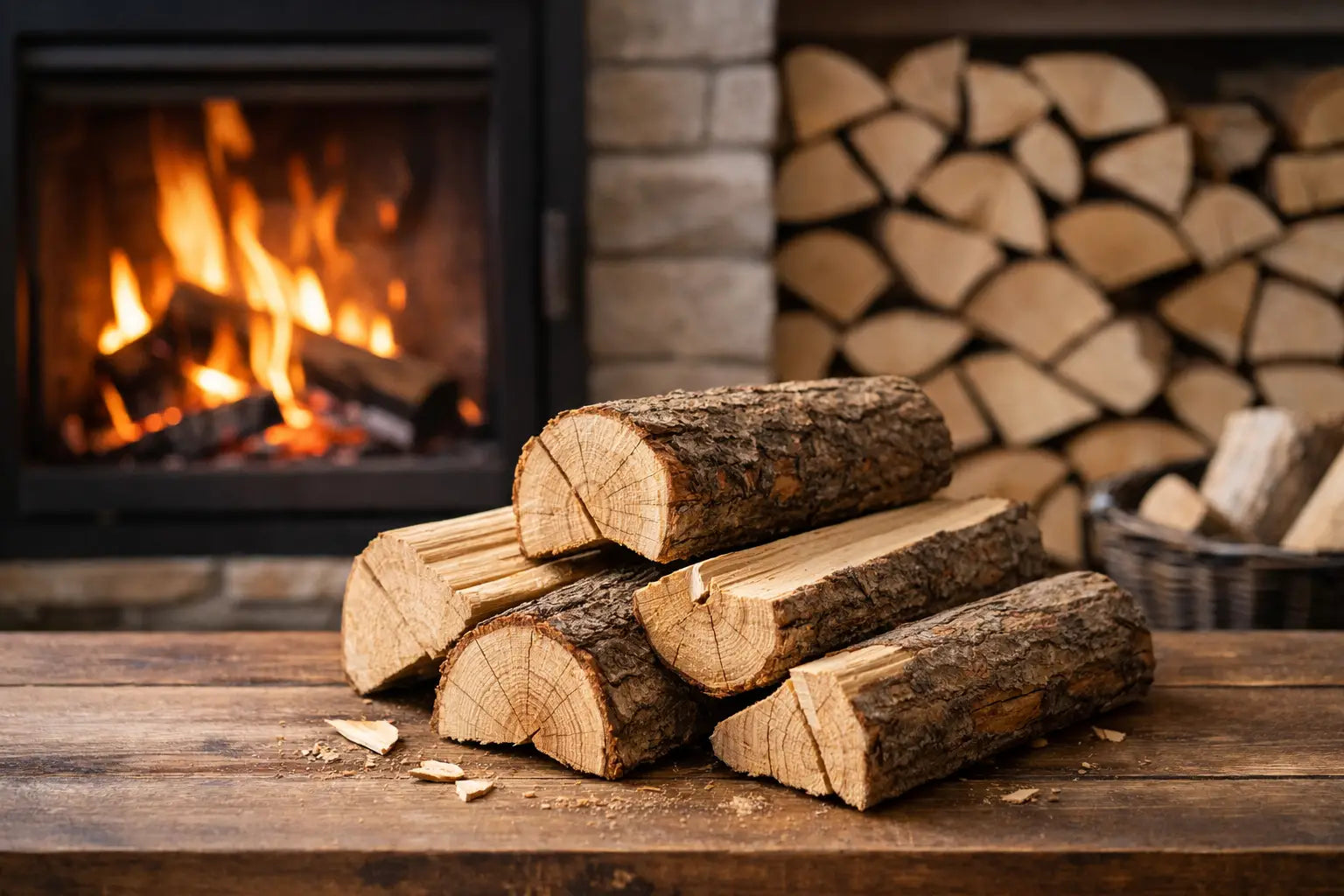
A fire that struggles to catch, blackens the stove glass and leaves a heavy layer of ash is usually not a stove problem. It is often a fuel problem. Hardwood kiln dried logs give householders a more dependable starting point: properly dried wood, predictable heat and far less time spent trying to revive a reluctant fire.
For a wood burner, open fire or suitable biomass appliance, choosing dry logs is one of the simplest ways to improve day-to-day performance. The species still matters, as does log size, storage and how you build the fire, but moisture content is the first thing to get right.
What makes kiln dried hardwood different?
Kiln drying removes moisture from split logs in a controlled environment. Rather than leaving wood to season outdoors for many months, air and heat are managed until the logs reach a consistently low moisture content. Quality kiln-dried firewood should be below 20% moisture content, making it suitable for efficient domestic burning.
This matters because wet wood uses much of the fire's energy simply boiling off water. The result is less useful heat, more smoke and a dirtier appliance. Drier logs ignite more readily, burn with a brighter, steadier flame and produce less visible smoke when used correctly.
Hardwood comes from broadleaf trees such as ash, birch, alder, oak and hornbeam. It is generally denser than softwood, so a comparable log often provides a longer burn. That does not mean every hardwood behaves identically. Birch lights easily and gives quick heat; ash is valued for its reliable flame; oak and hornbeam are dense options suited to a slower, longer fire. Alder is a practical choice where an easy-lighting, responsive fire is preferred.
The right choice depends on how you use your stove. A fast evening fire may benefit from birch or alder, while a larger load of oak, hornbeam or ash can be useful when you want sustained heat. Many households also keep kindling and a quicker-burning log alongside denser hardwood for easier lighting and better control.
Why hardwood kiln dried logs burn more efficiently
A lower moisture content improves the part of burning you can actually use: heat into the room. With less water to drive out of the wood, the fire reaches a good temperature sooner. This supports cleaner combustion and helps reduce the sooty deposits that can build up on stove glass, in flueways and in chimneys.
Efficiency is not only about the flame looking impressive. It affects how many logs you use over a week, how frequently you need to reload the stove and how much ash you remove. A well-run fire using dry fuel should produce a light, powdery ash rather than heavy, sticky residue.
There is a cost consideration, of course. Kiln-dried logs can cost more upfront than unseasoned or uncertain local firewood. Yet comparing only the price of a bag can be misleading. Wet wood weighs more because it contains more water, while delivering less heat per kilogram of fuel burned. A transparent comparison should consider moisture content, loose volume, log length, species and delivery, not just the headline price.
Ready to Burn certification provides useful reassurance when buying wood fuel. It confirms that the fuel meets the required moisture standard for domestic use. For customers who do not have the space, time or confidence to season their own logs properly, certified kiln-dried wood removes a significant variable.
Choosing the right logs for your appliance
Start with your stove manufacturer's guidance. Check the recommended log length, maximum load and whether the appliance is designed for wood burning. Logs that are too long encourage overfilling and restrict airflow; logs that are very small can burn away too quickly. Measuring the firebox before ordering is a simple step that prevents frustration on delivery day.
For most households, a mix of practical factors matters more than chasing a single ‘best’ species. Choose a log that fits your appliance, arrives at a verified low moisture content and suits the pace of heat you want. Dense hardwood is often excellent for longer burns, but it benefits from a properly established fire and sufficient airflow. Easier-lighting species can make the lighting stage less demanding.
Format also affects convenience and value. Net bags and fire-box packs work well for smaller stores, occasional fires and straightforward carrying. Larger crates can suit regular stove users and bulk buyers, provided there is dry, accessible space to keep the fuel. When comparing larger orders, look at the stated loose volume and the log dimensions rather than relying on photographs alone.
Candowe supplies a choice of Ready to Burn hardwood species and pack sizes so customers can match their fuel order to their appliance, storage space and expected use.
How to light dry hardwood properly
Even excellent logs will underperform if the fire is starved of air from the outset. Begin with dry kindling and an appropriate natural firelighter, leaving enough space between pieces for air to circulate. Build a small, hot fire first, then add one or two split logs once the kindling is burning strongly.
Avoid placing a large stack of logs onto a weak flame. That cools the firebox and can create unnecessary smoke. Once the fire is established, adjust the air controls according to the appliance instructions. The aim is a lively, clean flame, not a slow, smouldering burn.
It is also worth correcting a common assumption: ash may be easier to burn than some species when freshly cut, but all firewood benefits from being properly dried before use. No species is a substitute for low moisture content.
Store kiln-dried logs so they stay dry
Kiln drying is only useful if the logs remain protected after delivery. Store them outdoors under cover, ideally in a log store with a roof, open sides and good airflow. Keep the wood raised off the ground on a pallet, rack or suitable base to prevent moisture being drawn up from below.
A shed can work if it is dry and ventilated, but an airtight garage or damp outbuilding is less suitable. Do not wrap a full stack tightly in plastic. Trapped condensation can undo the benefit of buying dry wood. A cover over the top with open sides is usually better than enclosing the stack completely.
Bring a small working supply indoors when needed, rather than storing a large quantity beside the stove. This keeps the room tidier, reduces the chance of bringing in insects and leaves clear space around a heat source. If logs have been exposed to prolonged rain, allow their surface to dry before use and check that the store is providing adequate protection.
Get more heat from every load
Good fuel works best alongside sensible stove habits. Have the chimney swept at the recommended interval by a qualified professional, use dry kindling, and empty ash only when it begins to restrict airflow. A thin bed of ash can be normal in some appliances, but excessive ash reduces the space available for a clean fire.
Do not burn painted, treated or varnished timber, household waste, chipboard or damp garden wood. These materials can release harmful pollutants and create deposits in the flue. Burn only suitable approved fuels in line with local smoke-control requirements and your appliance guidance.
Your home, location and heating routine will affect how much fuel you need. A well-insulated room with an efficient stove may require modest loads, while a rural home using a stove as a regular heat source may benefit from ordering a larger volume before the colder months. Buying ahead also gives you time to stack the logs properly instead of trying to manage fuel supplies during a cold spell.
A dependable fire begins long before the match is struck. Choose certified dry hardwood, order a format you can store well, and give the fire enough air to establish itself. That is how hardwood kiln-dried logs deliver the clean, consistent warmth people expect from their stove or fireplace.