Skip to content
A Guide to Pallet Fuel Deliveries in the UK
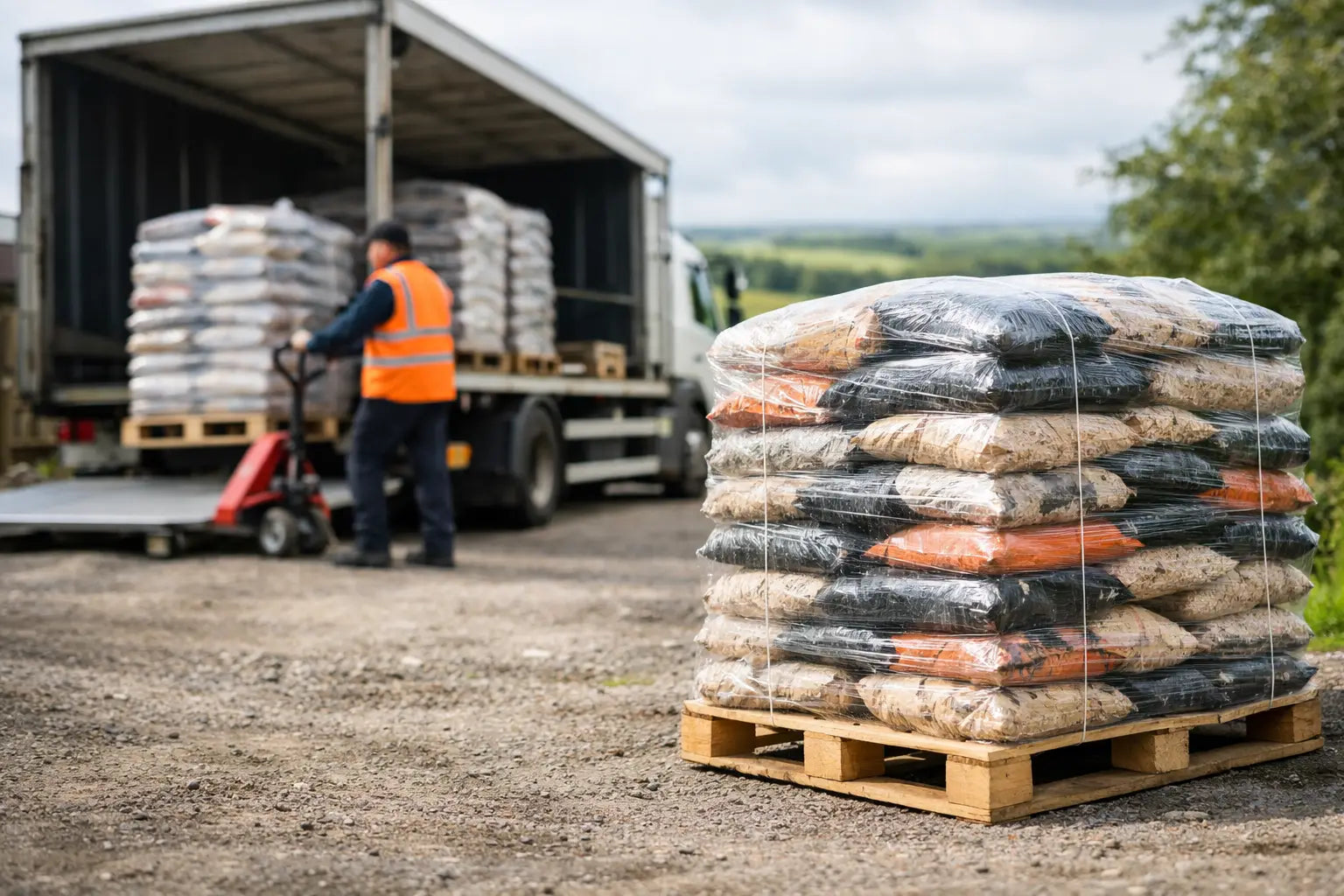
A pallet delivery can take the uncertainty out of stocking fuel for winter. Rather than carrying small bags home or relying on an inconsistent local supply, you receive a substantial quantity at your property in one planned drop. This guide to pallet fuel deliveries explains what arrives, how to prepare for it and how to choose a format that suits your stove, storage space and fuel use.
For many households, the main advantage is practical value. Buying a larger volume usually reduces the cost per unit compared with smaller packs, while properly dried wood, pellets and smokeless fuels give you a dependable supply ready when temperatures fall.
What is a pallet fuel delivery?
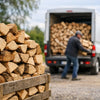
Pallet fuel is fuel packed securely onto a wooden pallet and delivered by lorry, normally using a tail lift and pallet truck. Depending on the product, the pallet may hold hard crates of kiln-dried logs, netted bags, bags of pellets, briquettes, smokeless coal or anthracite.
This format is designed for bulk buying without the need for a forklift or trade yard. The driver lowers the pallet to ground level, then moves it as close to your property as access safely allows. It is not the same as a hand-stacked delivery, so the final position depends on the surface, width of access and any obstacles at the address.
A pallet can be a sensible choice if you use a log burner or solid-fuel appliance regularly, manage heating for a larger home, or want to avoid several smaller orders through the season. It also works well for holiday lets, small commercial premises and rural properties where local fuel options may be limited.
Choosing the right fuel and pallet size
The best pallet is not always the largest one. Start with your appliance, your available dry storage and how quickly you expect to use the fuel. Ordering more than you can protect from rain and ground moisture can undermine the value of buying in bulk.
Kiln-dried logs
Kiln-dried logs are the straightforward option for wood-burning stoves, fireplaces and log burners. Look for Ready to Burn certified firewood with a moisture content below 20%. Drier logs light more easily, produce more usable heat and create less smoke and residue than poorly seasoned wood.
Wood species affect the burn experience. Birch is easy to light and gives a bright flame. Alder is a reliable everyday firewood. Oak, hornbeam and ash are valued for their dense, longer-burning characteristics. The right choice depends on whether you want quick warmth, a lively fire, or longer periods between refuelling.
When comparing pallets, check the stated loose volume or the number and size of crates or bags. A pallet with a lower headline price may contain less fuel. Transparent volumetric information makes it easier to compare like for like and work out your true cost per cubic metre.
Wood pellets, briquettes and smokeless fuels
Wood pellets must match the specification of your pellet stove or boiler. Keep bags completely dry, as moisture can cause pellets to swell and break down. Briquettes are compact, clean to handle and useful where storage is limited, although their heat output and burn behaviour vary by type.
Smokeless coal and anthracite are suitable only for compatible appliances. They can offer long-lasting heat, but they are not interchangeable with logs or pellets. Always follow your appliance manufacturer’s guidance and any local smoke-control requirements before ordering.
Preparing your property for a pallet delivery
The most common delivery problems are not about the fuel itself. They are about access. A loaded pallet is heavy, and a pallet truck needs a firm, reasonably level surface to move safely.
Before ordering, consider the route from the road to your preferred drop point. Can a delivery lorry safely stop nearby? Is there a dropped kerb, a smooth drive or a level paved area? Gravel, grass, loose chippings, steep slopes, steps and narrow gates can prevent the driver from moving the pallet beyond the kerbside.
If the property has restricted access, contact the supplier before placing the order rather than hoping the driver can make an exception on the day. A clear delivery note can help with practical details such as a shared driveway, a difficult turning point or a safe alternative drop location. It does not replace suitable access, but it can prevent avoidable confusion.
Make sure someone is available if the delivery terms require attendance. Once the pallet has been placed safely, it is normally your responsibility to unpack and move the fuel into storage. Opening a crate or cutting stretch wrap before moving it may make handling individual packs much easier.
Storage that protects fuel quality
Fuel should be stored off the ground, under cover and with enough ventilation to prevent damp building up. A log store, shed, garage or covered side area can work well for kiln-dried firewood, provided the space is dry and air can circulate. Do not wrap logs tightly in plastic after delivery, as trapped moisture can affect their condition.
For bagged logs, keep the bags raised on pallets, battens or shelving rather than directly on concrete or soil. If you are storing a full pallet outside temporarily, use a waterproof cover over the top while leaving the sides open for airflow. A cover that reaches the ground can trap condensation around the fuel.
Pellets need more protection than logs. Store them indoors or in a genuinely weatherproof space, well away from leaks and damp floors. Briquettes, smokeless coal and anthracite should also remain dry and covered. It is worth planning the storage location before the delivery arrives, particularly where a pallet is too heavy to reposition once unloaded.
How much fuel should you order?
Your usage will depend on insulation, room size, appliance efficiency, outdoor temperatures and how often the fire is lit. A stove used for a few evenings each week consumes very differently from one that supports your main heating through winter.
A useful approach is to track how many bags, crates or baskets you use in a typical week during colder weather. Multiply that by the number of weeks you want to cover, then allow a little extra for a prolonged cold spell. If you are changing from damp local wood to kiln-dried logs, you may find that the same fire feels warmer and requires less frequent refuelling because more of the energy goes into heat rather than drying the wood in the stove.
There is a balance to strike. A full pallet can offer strong value, but only if you have suitable space and will use it within a sensible period. Smaller crate or bag formats may be better for first-time buyers, occasional burners and homes with limited storage. Regular users often benefit from a larger order at the start of the heating season, followed by a smaller top-up if needed.
What to check before you place an order
A reliable fuel order should be easy to understand. Check the fuel type, pack format, stated quantity, moisture information where relevant, delivery area and expected delivery window. If a product is sold by volume, compare volume rather than judging value from the number of bags alone.
For firewood, Ready to Burn certification and clearly stated moisture content provide useful reassurance that the logs are suitable for domestic use. Sustainable sourcing matters too: responsibly sourced wood supports better woodland management and gives buyers greater confidence in the supply chain.
It is also sensible to check whether delivery is included for your mainland postcode and whether any access restrictions apply. Free delivery can make a meaningful difference to the final cost of a pallet order, especially for bulky products. Payment flexibility may help when buying a larger seasonal supply, but the right quantity should always be based on storage and expected use, not simply the size of the offer.
Making delivery day straightforward
Move vehicles, bins, garden furniture and other obstacles from the planned route before the lorry arrives. If weather is wet, have a cover ready for fuel that cannot be moved indoors immediately. Inspect the outer wrapping and packaging when the pallet is delivered, and take photographs if there is any visible damage before unpacking.
Do not try to lift or drag a loaded pallet yourself. Separate the load into manageable bags, boxes or crates once it is safely positioned, using gloves and safe lifting techniques. Keep kindling and firelighters accessible, with the main fuel stock protected in the driest part of the store.
A well-planned pallet order gives you more than a larger pile of fuel. It gives you the confidence that clean, dry, suitable fuel is on hand when you want to light the stove, without last-minute trips or guesswork over quality.