Skip to content
Which Are the Best Logs for Your Log Burner?
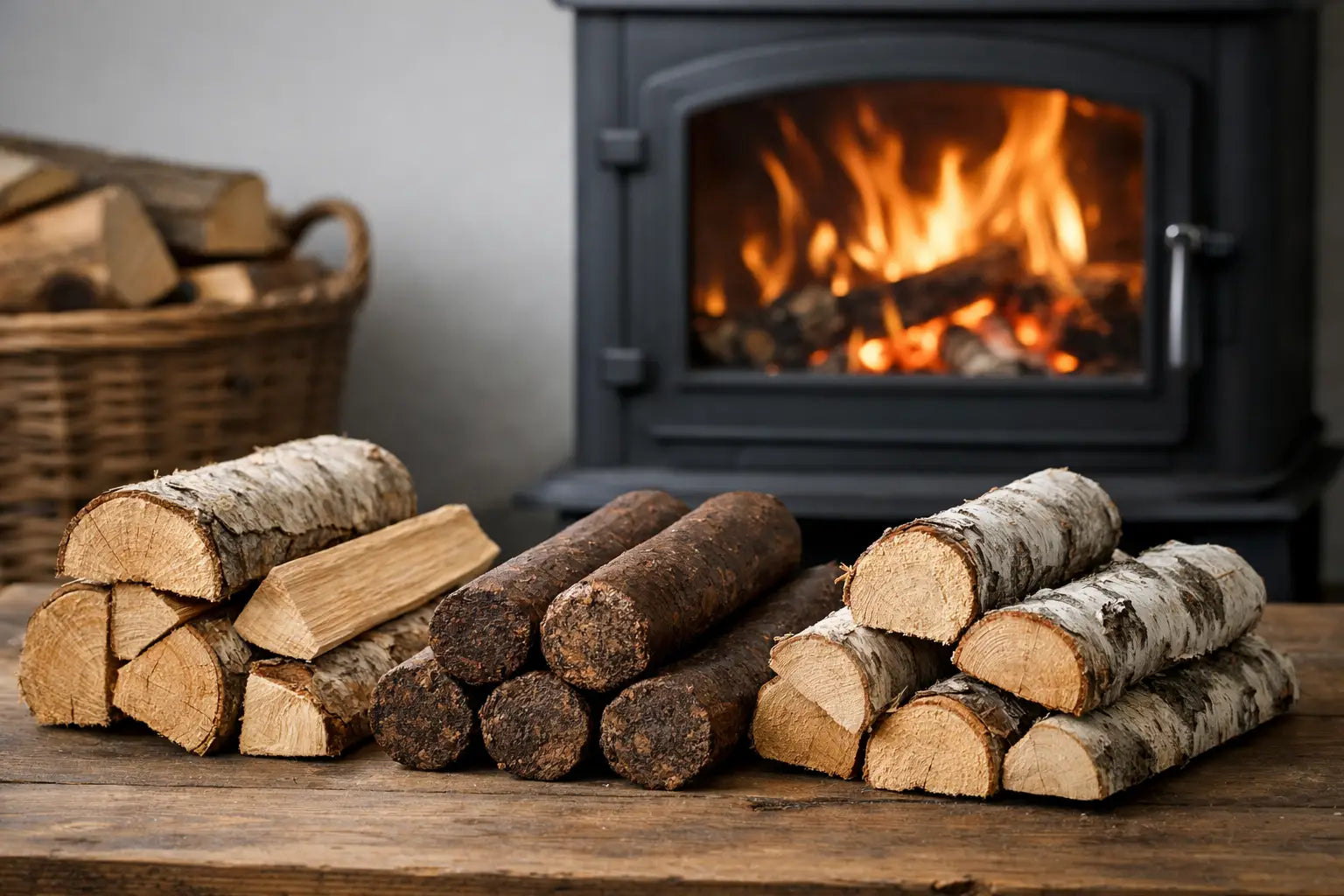
A stove can be efficient, clean and easy to manage, but only if the fuel is right. When shoppers ask for the best logs for log burner use, the answer is not simply the hardest wood available. The best choice depends on how quickly you want heat, how long you want the fire to last, the size of your stove and whether the logs are genuinely dry enough to burn well.
For most UK households, kiln-dried hardwood logs with a moisture content below 20% offer the most dependable result. They light more easily, produce useful heat quickly and create less smoke and residue than wet or poorly seasoned wood. Choosing Ready to Burn certified logs also gives you confidence that the fuel meets the recognised standard for domestic wood-burning appliances.
What makes a log suitable for a log burner?
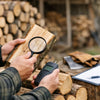
Moisture content comes before species. A damp oak log is not better fuel than a properly kiln-dried birch log. Water in firewood has to be heated and evaporated before the wood can burn efficiently, which wastes heat and can lead to smoky flames, blackened stove glass and heavier deposits in the flue.
Look for logs that are Ready to Burn certified and contain less than 20% moisture. Kiln drying gives a consistent level of dryness that can be difficult to achieve with air-seasoned logs, particularly when wood has been stored outside through a British winter. Dry fuel also makes day-to-day stove use simpler: less kindling is needed, fires establish faster and you spend less time trying to revive a reluctant flame.
Log size matters too. Most domestic log burners work best with logs that fit comfortably across the firebox with space around them for air to circulate. Oversized logs can restrict airflow and make it harder to build a bright, controlled fire. Before ordering a crate or bulk supply, check your manufacturer’s recommended log length.
Best logs for log burners by wood type
Different hardwoods have distinct burning characteristics. There is no single species that is right for every fire, so many stove owners keep two types on hand: a fast-lighting wood for getting the stove up to temperature and a denser wood for a longer burn later in the evening.
Birch logs: quick heat and an easy flame
Kiln-dried birch is one of the most popular choices for regular stove use. It catches readily, produces an attractive flame and delivers heat quickly, making it particularly useful when you are lighting the stove after work or warming a cooler room.
Birch is less dense than oak or hornbeam, so it burns through faster. That is not a drawback if you value quick heat and easy fire management, but it may not be the most economical choice for a long, slow evening burn on its own. Pairing birch with a denser hardwood can give you the best of both qualities.
Ash logs: reliable all-round performance
Ash has long been valued as a practical firewood. When kiln-dried, it lights well, burns steadily and offers a good balance between flame, heat output and burn time. For households that want one dependable log type without overthinking every fire, ash is often the sensible middle ground.
It is dense enough to provide sustained warmth while remaining straightforward to light with dry kindling and adequate airflow. Ash is well suited to everyday log burner use, whether the stove is providing supplementary heat or taking the edge off a cold morning.
Oak logs: slower burning, lasting heat
Oak is a dense hardwood that burns more slowly than birch or alder. It is a strong choice when you want to maintain heat for longer, particularly in a larger stove or when the weather is properly cold.
The trade-off is that oak generally benefits from a well-established fire. Start with kindling and a faster-burning log, then add oak once there is a hot bed of embers. Even premium kiln-dried oak is not usually the quickest option for first lighting, but its measured, long-lasting burn can make it excellent value over an evening.
Hornbeam logs: high heat from a dense hardwood
Hornbeam is among the densest commonly available hardwoods, known for its high heat output and long burn. It is an excellent option for experienced stove users who want a substantial fuel for colder periods and a fire that needs less frequent refuelling.
Because it is dense, hornbeam should be burned in a stove with the right airflow and sufficient firebox space. It is not necessarily the best choice for every small room or mild autumn evening, when a quicker, lighter wood may be easier to control. Used appropriately, it provides powerful, dependable warmth.
Alder logs: responsive and convenient
Alder is lighter than the dense hardwoods and burns with a lively, responsive flame. It is useful for quick fires, shoulder-season heating and smaller appliances where you do not need a long, intense burn. Its shorter burn time means it is often best used alongside longer-lasting logs rather than as the only fuel for a full winter evening.
Hardwood or softwood: does it matter?
For a log burner, kiln-dried hardwood is usually the preferred option because it is denser and tends to provide a longer burn per log. Birch, ash, oak and hornbeam are all reliable hardwood choices when supplied dry and in suitable sizes.
That does not mean all softwood is poor fuel. Properly dried softwood can be useful for kindling and getting a fire established, as it lights quickly. However, it generally burns faster, so it is less practical as the main fuel for customers looking for sustained room heat and fewer refuelling trips.
The real issue is not whether a log is labelled hardwood or softwood, but whether it is dry, responsibly sourced and appropriate for your appliance. A good fuel supplier should state moisture content clearly and provide transparent information about the amount of wood you are buying.
Why kiln-dried logs are worth choosing
Kiln-dried logs cost more than uncertain, wet firewood, but the comparison should be based on usable heat rather than the initial price of a bag. Wet logs can appear cheaper by volume while giving off less warmth, producing more smoke and leaving you to burn more fuel to achieve the same comfort.
Dry logs help your stove perform as intended. They support cleaner combustion, reduce the risk of excessive soot on the glass and make it easier to keep the flue in good condition between professional sweeps. They also store better, provided they are kept off the ground and protected from rain with good airflow around the stack.
For buyers ordering online, certified kiln-dried fuel removes much of the guesswork. Candowe supplies Ready to Burn hardwood logs in practical formats, from convenient packs and bags to larger crates for households that want to stock up with confidence.
Choosing the right format for your home
The best wood format depends on how often you use your stove and how much dry storage space you have. Net bags and fire-box packs are useful for occasional fires, smaller stores or carrying fuel through the house without handling a full stack. They are also a practical way to try a new wood species before committing to a larger order.
Crates and bulk quantities are often better value for frequent users, particularly through the main heating season. A larger order reduces the risk of running out during a cold spell and makes it easier to plan your fuel costs. Check the stated loose volume or cubic metre price rather than comparing pack prices alone, as bag sizes can vary considerably.
Whatever the format, move logs into a dry, ventilated store after delivery. An open-sided log store with a roof is ideal. Avoid wrapping wood tightly in plastic or stacking it directly against an external wall, where trapped moisture can affect the fuel.
Getting the best burn from your logs
Even the best firewood needs the right stove operation. Start with dry kindling and smaller logs, with the air controls open as recommended by the stove manufacturer. Once the fire is burning brightly and the flue is warm, add larger logs gradually rather than overloading the firebox.
Burning at a healthy temperature is cleaner than allowing logs to smoulder for long periods with the air controls shut down. Use the air controls to manage the fire, not to starve it. Regular ash removal, correct ventilation and routine chimney sweeping are equally important for safe, efficient heating.
For a simple, dependable approach, choose kiln-dried ash as an all-round fuel, add birch when you want quick warmth, and keep oak or hornbeam for longer-lasting heat. The right dry logs will make your stove easier to light, cleaner to run and far more enjoyable to rely on when the temperature drops.