Skip to content
Woodsure Ready to Burn Logs Explained
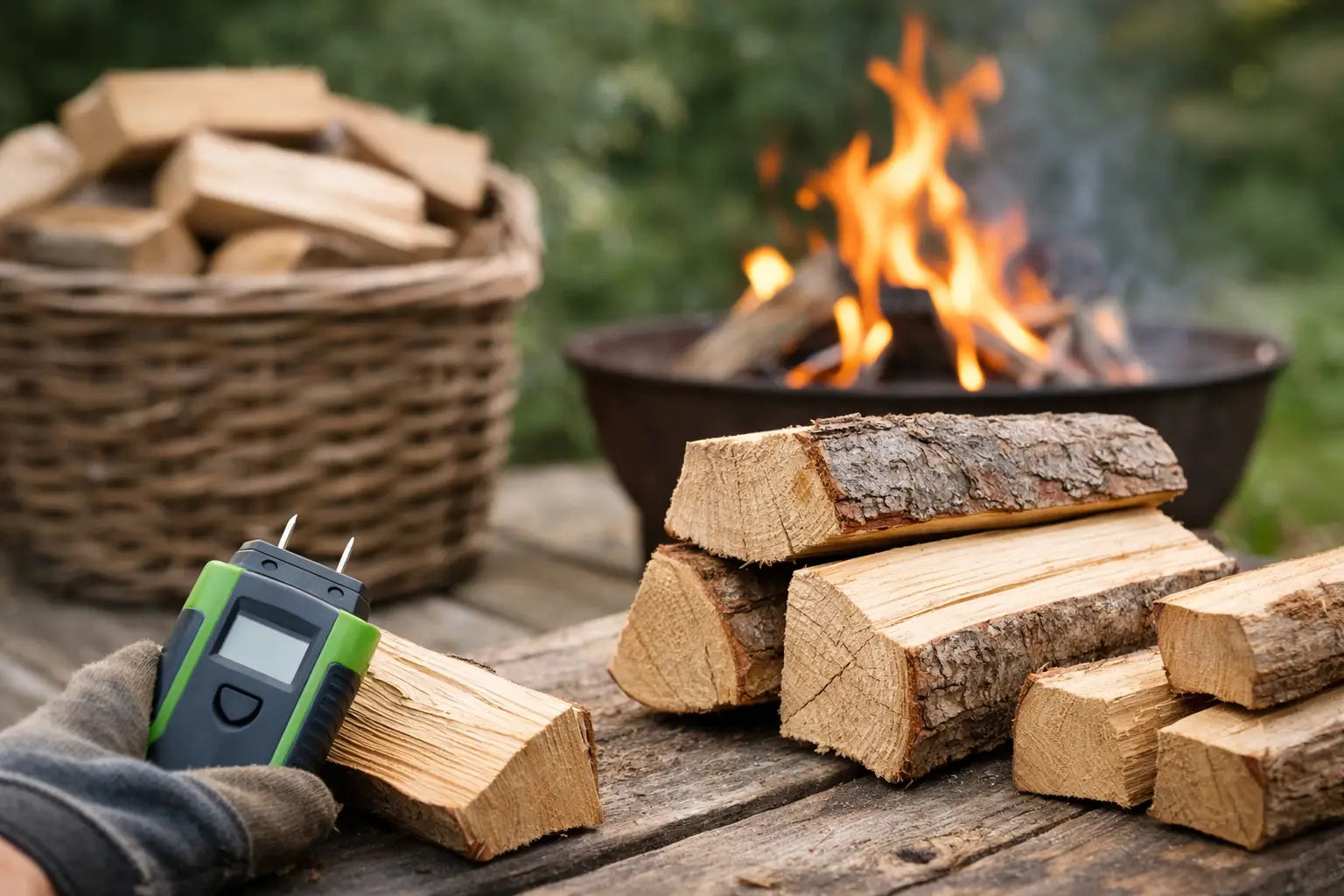
If you have ever struggled to light a stove with damp firewood, you will know how quickly a cheap load can become an expensive mistake. Woodsure Ready to Burn logs are designed to remove that uncertainty. For UK households using log burners, open fires and multi-fuel stoves, the mark gives a clear sign that the wood has been properly dried and is suitable for immediate use.
That matters for more than convenience. The quality of your logs affects heat output, stove performance, chimney cleanliness and even how often you need to reorder. When you buy dry, certified firewood, you are not just buying timber. You are buying consistency, cleaner combustion and fewer problems once the weather turns cold.
What Woodsure Ready to Burn logs actually mean
The Ready to Burn scheme is used to identify firewood with a moisture content of 20% or less. In simple terms, that means the logs have been dried enough to burn efficiently in domestic appliances. Wet or partially seasoned wood contains too much water, so a large part of the fire's energy is wasted driving that moisture off before proper combustion even starts.
Woodsure is the certification body behind the scheme in the UK. Its role is to assess suppliers and verify that the firewood being sold under the certification meets the required standard. For the customer, that creates a practical shortcut. You do not have to rely on guesswork, vague claims or a seller promising that the logs are "seasoned" without any evidence to support it.
This is especially useful if you are ordering online or buying in bulk. You may not have the option to inspect the logs in person, and even if you do, appearance alone does not tell you enough. A log can look dry on the outside and still hold too much moisture in the centre.
Why moisture content makes such a difference
Better heat from the wood you buy
Low-moisture logs burn hotter and more efficiently. Because less energy is spent evaporating water, more of the fuel value goes into producing usable heat. That gives you a steadier fire and better return from every crate, bag or fire-box pack.
For households trying to manage heating costs, this is one of the biggest practical benefits. A cheaper load of wet logs may look like good value at first, but if it burns poorly and disappears quickly, the actual cost per usable heat output can be far higher.
Cleaner burning and less residue
Drier logs tend to produce less smoke and fewer deposits in the flue when used correctly. That helps reduce soot and tar build-up, including creosote, which can become a serious maintenance and safety issue over time. No firewood removes the need for regular sweeping and proper stove care, but using the right fuel gives your appliance a much better chance of operating as it should.
You will usually notice the difference day to day as well. A cleaner flame, less hissing and spitting, and fewer struggles to keep the fire going are all signs that the wood is doing its job properly.
Woodsure Ready to Burn logs and UK regulations
In England, domestic sales of small volumes of wet wood are restricted, and suppliers must provide fuel that meets the legal standard or clearly advise on further seasoning where larger loads are sold. The direction of travel is clear across the market: cleaner domestic burning depends heavily on fuel quality.
For homeowners, the benefit is straightforward. Choosing certified logs helps you stay on the right side of current requirements while also improving the performance of your stove or fire. It is not just a badge for marketing. It reflects a standard that supports cleaner household burning.
There is still a place for buying larger quantities of wood to finish drying yourself if you have space, time and a well-ventilated storage set-up. But that approach is not ideal for everyone. Many customers want fuel they can stack and use straight away, especially in colder months when there is no margin for delay.
How to choose the right certified logs
Not all dry logs burn in exactly the same way, even when they meet the same moisture threshold. Species matters, and so does the format you buy.
Hardwoods such as oak, ash and hornbeam are often chosen for their long, steady burn and strong heat output. Birch is popular because it lights easily and burns cleanly, while alder can be a practical option for customers who want a dependable everyday fuel. The best choice depends on your appliance, how often you use it and whether you value quick lighting, longer burn time or a balance of both.
The format also affects convenience and value. Nets and smaller bags are easy to handle and useful if storage space is limited. Crates and larger palletised quantities often make more sense for regular stove users or business buyers who need consistent supply through the season. The key is to compare on a clear volumetric basis rather than looking only at headline price.
What to look for besides the certification mark
Reliable sizing and packaging
Well-prepared firewood should be cut to a size that suits common domestic appliances. Oversized logs are inconvenient and can reduce airflow if forced into a stove. Mixed sizing is not always a problem, but consistent dimensions make everyday use easier, especially when you are building and maintaining a fire efficiently.
Packaging matters too. Strong, practical formats help protect the fuel in storage and make handling simpler on delivery day. If you are ordering a larger quantity, it is worth checking how the logs are presented and what loose volume or crate volume you are actually paying for.
Clear product information
A dependable supplier should tell you what species you are buying, the moisture standard, the format, the volume and any extras included. Vague descriptions usually create disappointment later. Clear information allows you to compare options properly and choose the right fuel for your needs rather than making assumptions.
This is one reason many customers now prefer specialist online suppliers over ad hoc local loads. Transparent specifications reduce the risk of inconsistent quality and make it easier to plan household fuel use across the winter.
Storage still matters, even with ready to burn logs
Buying dry logs is only part of the job. If they are stored badly after delivery, they can take on moisture again. The ideal storage space is dry, ventilated and protected from direct rain. A covered log store with airflow around the sides is usually better than sealing logs in an unventilated shed or garage corner.
It also helps to bring a small quantity indoors before use, particularly during very cold or wet spells. That keeps your next batch in the best possible condition and makes lighting simpler. Even certified logs will perform less well if they have been left exposed to the elements for weeks.
Are Woodsure Ready to Burn logs worth paying more for?
In many cases, yes. The price difference between certified dry logs and lower-grade wood often reflects real preparation costs, including kiln drying, handling and quality control. Whether the premium is worthwhile depends on how you use your fire.
If your stove is a regular part of your home heating, reliable dry logs are usually the more economical choice over time because they burn better, produce more usable heat and create fewer avoidable issues. If you only light an occasional decorative fire, you may be less sensitive to the efficiency gains, but the convenience of fuel that works straight away still has value.
For most households, the strongest case is not that certified logs are always the cheapest per load. It is that they are far more predictable. That predictability matters when you are heating your home, not just creating ambience for an hour.
Why many buyers now choose specialist online supply
The traditional approach of picking up whatever logs are available locally still works for some people, but it comes with uncertainty. Moisture levels, species mix, load size and delivery reliability can vary a great deal. For customers who want a cleaner, easier purchase, specialist suppliers offer a more controlled option.
Candowe focuses on that practical side of the decision: Ready to Burn certified fuel, clear volume information, broad product choice and delivery that fits real household needs. For buyers who want to avoid guesswork, that kind of structure makes repeat ordering much simpler.
When your firewood arrives dry, correctly packed and ready to use, the whole process becomes easier - from lighting the first fire to planning the next order. That is usually what people are looking for in the first place: less hassle, better burning and fuel they can trust when they need it most.