Skip to content
How to Choose Firewood Logs for Your Stove
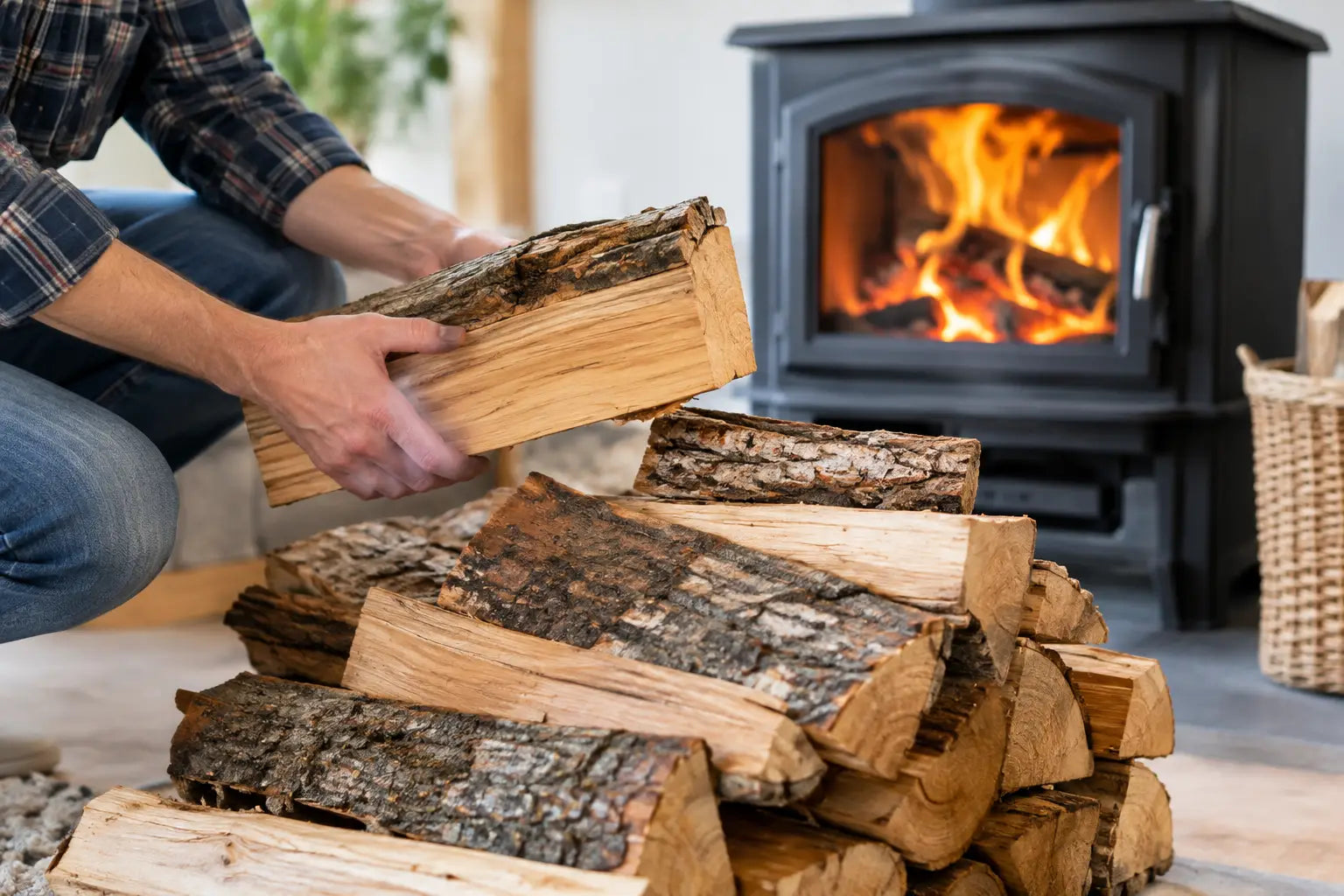
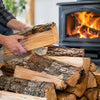
A stove can only perform as well as the fuel you put in it. Firewood logs that are too wet, poorly sized or inconsistent in quality create more smoke, less heat and far more cleaning work. For a reliable fire, choose dry, suitably sized logs from a supplier that states exactly what you are buying.
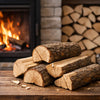
For most UK households, kiln-dried wood with a moisture content below 20% is the practical choice. It is ready to burn when delivered, lights more easily and produces a cleaner, steadier flame than unseasoned wood. That means less time managing the fire and more confidence that your stove is operating as it should.
Why dry firewood logs make a real difference
Freshly cut wood contains a high level of water. Before it can burn efficiently, that moisture must first be boiled away by the heat of the fire. The result is a slow-starting fire that gives off less useful warmth, while producing extra smoke and deposits inside the flue.
Kiln-dried logs remove this uncertainty. Dry wood catches more readily, burns hotter and leaves a brighter, more controllable fire. It also helps reduce the build-up of soot and tar, although regular sweeping and stove maintenance remain essential.
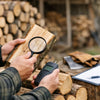
Ready to Burn certification offers a straightforward way to check the fuel is suitable for domestic use in England. Certified wood has been tested to meet the required moisture standard of 20% or below. If you are buying fuel for a log burner, open fire or multifuel stove, this is a useful assurance that the logs should arrive ready for use rather than needing months of storage and seasoning.
Dry logs can also represent better value in use. A cheap load of wet wood may look attractive at first, but a proportion of what you pay for is water. With properly dried fuel, more of the log is available to produce heat.
Choose the right wood species for the way you heat
There is no single best species for every household. The right choice depends on whether you want quick heat, long burn times, easy lighting or a practical balance of all three. A mixed load can be a sensible option for homes that use their stove regularly and want flexibility across the season.
Ash is widely valued as an all-round firewood. It is easy to light when dry, gives a consistent flame and produces good heat. Birch also lights quickly and burns brightly, making it particularly useful for getting a fire established. Because it tends to burn faster than denser hardwoods, it is often best paired with a longer-burning log.
Oak and hornbeam are denser options with strong heat output and a slower burn. They suit stove owners looking for a long-lasting fire, especially on cold evenings. They may take a little longer to establish than lighter woods, so use kindling and smaller dry logs at the start. Alder burns well and is a dependable choice for regular use, with a steady flame and manageable heat.
The most useful comparison is not simply hardwood versus softwood. Moisture content, log size and how the wood has been processed have a direct effect on performance. A dry, certified log will generally be a better household fuel than a poorly stored, wet log of any species.
Match log size to your stove
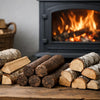
Before ordering, measure the internal width and depth of your firebox. Logs should sit comfortably inside without forcing the door, blocking airflow or touching the stove glass. Allow room to arrange the fuel properly, as airflow around the logs is central to clean combustion.
Smaller logs are helpful for lighting and for compact stoves. Larger logs are often more suitable for bigger appliances and longer fires. If you are unsure, a standard log length is usually a safe starting point, but checking your stove manufacturer’s guidance is always worthwhile.
It is also worth considering the format that fits your household. Nets and fire-box packs are convenient when storage is limited, when you need a manageable top-up or when carrying logs through the house is difficult. Hard crates and palletised loads are often better value for households that burn wood frequently and have a dry, accessible place to store a larger supply.
When comparing products, look beyond the number of bags. Check the stated loose volume, crate dimensions or price per cubic metre where available. Transparent volumetric information makes it easier to compare like for like and estimate how long an order is likely to last.
Store firewood properly after delivery
Kiln-dried logs arrive dry, but they can absorb moisture again if left exposed to rain or damp ground. Good storage protects both the fuel and the value of your purchase.
Keep logs outside or in a well-ventilated outbuilding, rather than in a sealed shed with no airflow. A purpose-built log store is ideal, with a roof to keep off rain, open sides for ventilation and a raised base to prevent contact with wet ground. Stack the logs loosely enough for air to move through them, rather than packing them tightly against a wall.
Bring a small quantity indoors shortly before use if convenient. This helps remove surface chill and makes lighting easier, but storing a full winter supply beside the stove is rarely necessary. Keep all fuel well clear of the appliance and follow the safety distances set out by its manufacturer.
If your wood begins to feel noticeably damp, becomes difficult to light or causes excessive steaming and hissing, review how it has been stored. The issue may not be the original product but exposure after delivery.
Build a cleaner, more efficient fire
Even premium kiln-dried logs need the right conditions to burn well. Start with dry kindling and a suitable natural firelighter, then add small logs before moving to larger pieces once the firebox is hot. Avoid overloading the stove at the start, as this can restrict airflow and slow ignition.
Air controls should be used in line with the stove manufacturer’s instructions. Closing them down too early can starve the fire of oxygen, leading to smoky combustion and darkened glass. A lively flame during the main burn is generally a better sign than logs that are smouldering for long periods.
Do not burn treated timber, painted wood, household waste or damp garden wood. These materials can release harmful fumes, damage the stove and contribute to deposits in the chimney. Use approved fuel only, and have the chimney swept at suitable intervals for your level of use.
Plan your order around how often you burn
A household using a stove for occasional weekend fires has very different needs from one relying on it most evenings through winter. Buying too little can mean repeated top-up orders at the busiest time of year. Buying too much without adequate covered storage can compromise the quality of the fuel.
As a starting point, think about how many evenings a week you use the stove, the size of the room and whether the appliance is a supplementary heat source or a central part of your heating routine. Small packs are useful for testing a species or keeping a convenient reserve. Larger crates make more sense once you know your typical usage and can store them correctly.
Delivery access matters too. Check that there is a suitable, safe location for a pallet delivery and consider how far the fuel will need to be moved after arrival. Ordering a manageable format is often more practical than choosing the biggest load available.
Candowe supplies Ready to Burn kiln-dried logs in a range of species and pack sizes, helping households compare fuel clearly and order the amount that suits their stove, storage and budget. With free delivery across most mainland UK postcodes, planning ahead can make winter fuel buying simpler.
The best time to order is before your store is empty and before cold weather makes every delivery feel urgent. Keep a small dry reserve, choose logs that suit your stove, and you will have dependable heat ready when you want it.