Skip to content
A Guide to Heating Fuel Costs for UK Homes
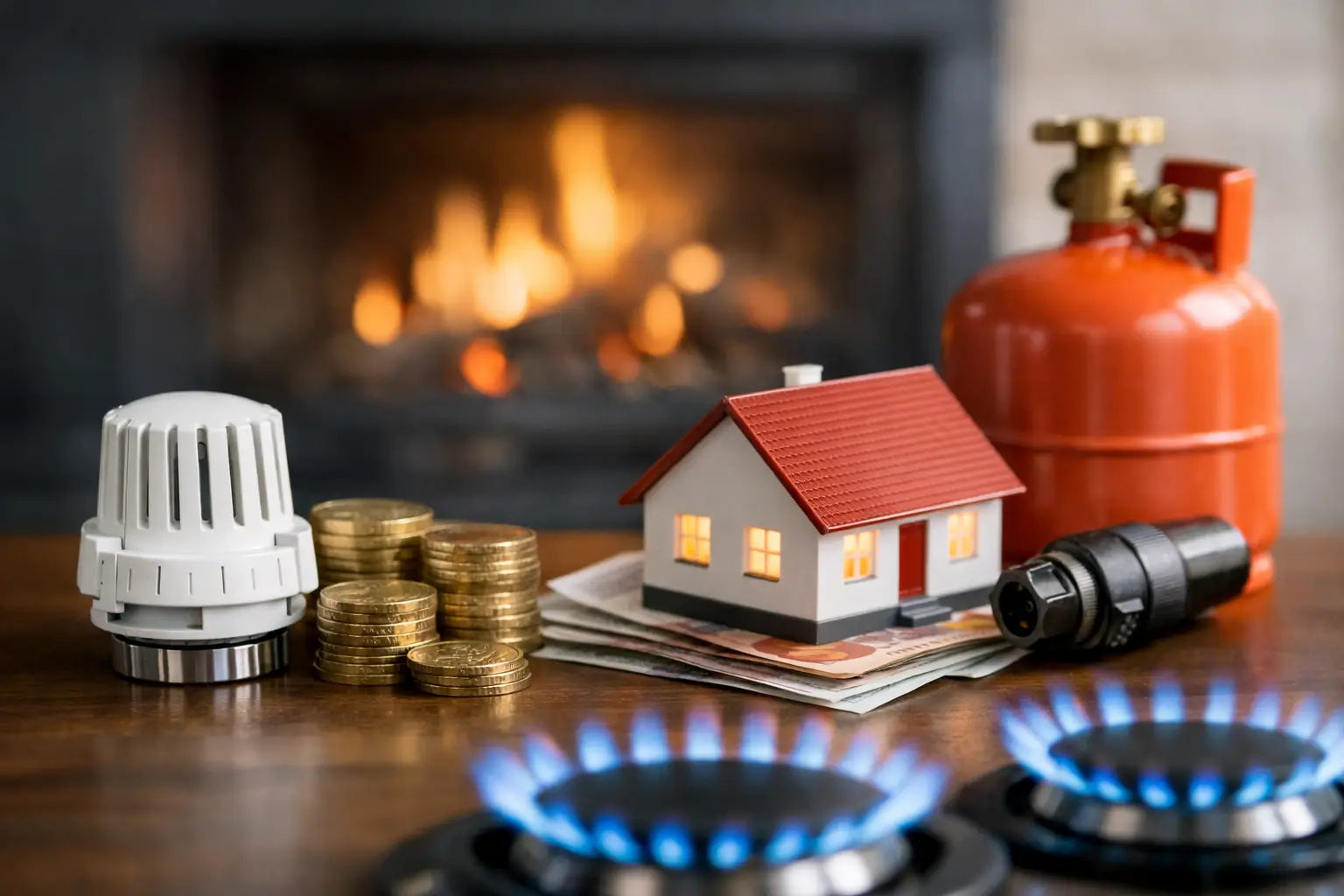
A low price on a bag of logs can be misleading if the wood is damp, burns quickly or produces little usable heat. This guide to heating fuel costs looks beyond the ticket price, helping UK households compare fuels by the warmth they deliver, the space they require and the way they suit a particular appliance.
For many homes, solid fuel is not an all-or-nothing replacement for central heating. It may be the main heat source in a rural property, a reliable supplement during colder spells, or simply the most comfortable way to heat one occupied room. The right buying decision depends on all three: fuel quality, appliance efficiency and how consistently you use the fire.
What heating fuel really costs
The most useful measure is not the price of a net, bag or crate. It is the cost of usable heat. A fuel that costs more upfront may still be better value if it is dry, dense, easy to light and capable of giving a longer, cleaner burn.
In simple terms, divide the fuel price by the heat available from it, then allow for your stove or boiler’s efficiency. The result is a cost per useful kilowatt-hour. You do not need to calculate this for every purchase, but the principle explains why like-for-like comparisons matter.
A large crate of kiln-dried logs, for example, should be compared by its stated volume and species, not against a smaller bag with an attractive headline price. Likewise, a 10kg bag of briquettes should be compared by weight and expected burn time, while pellets are best judged by their price per kilogram or tonne and the performance of the pellet appliance.
Delivery also belongs in the calculation. Free delivery over much of mainland UK can make a pallet or crate considerably better value than several small local purchases, provided you have dry, accessible storage and will use the fuel within a sensible period.
Guide to heating fuel costs by fuel type
Kiln-dried logs
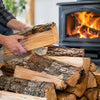
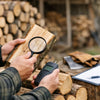
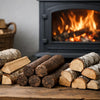
For stove and fireplace owners, wood is often the most familiar choice. Properly dried firewood gives reliable ignition, a responsive flame and less energy wasted evaporating water. Ready to Burn certified logs have a moisture content of 20% or below, which is a practical benchmark for domestic use.
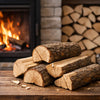
Hardwood species such as oak, ash and hornbeam are denser than lighter woods, so a basket or crate volume can contain more fuel. They are often chosen for longer burns and sustained heat. Birch and alder can be easier to light and provide a lively flame, making them useful for getting a fire established or for shorter evening use.
That does not make one species universally cheaper. The key comparison is the price per stated volume, the moisture content and how your household burns wood. A denser hardwood can offer more heat from the same space, but it may cost more per crate. A mixed approach often works well: use easy-lighting logs with kindling at the start, then add denser logs once the stove is up to temperature.
Avoid judging value by appearance alone. Oversized logs may not fit a smaller stove, and an apparently generous bag can contain a high proportion of air. Clear product details on log length, loose volume and crate dimensions make it far easier to buy the right amount.
Wood pellets
Pellets are made from compressed wood and are intended for compatible pellet stoves or boilers, not conventional log burners. Their uniform size and low moisture content allow automated appliances to feed fuel at a controlled rate, which can make household consumption predictable.
Pellet costs are shaped by the appliance as much as the fuel. A well-maintained pellet system can deliver efficient, steady heat, but it needs electricity for controls and feeding mechanisms. It also requires protected, completely dry storage. A split bag that absorbs moisture can quickly become unusable, so only order quantities you can store securely.
For regular pellet users, buying larger quantities may reduce the cost per kilogram. Check the full delivered price, bag weight and fuel specification rather than assuming every pellet product performs in exactly the same way.
Briquettes
Wood briquettes are compressed fuel blocks that can offer a long, consistent burn in a suitable stove. They take up less storage space than an equivalent amount of loose logs and can be useful where a household needs controllable heat without storing a large log pile.
Their value depends on composition and density. Some briquettes expand as they burn, so loading too many at once can restrict airflow. Start with the manufacturer’s guidance and your appliance instructions. Used correctly, briquettes can be a cost-effective way to extend a fire after a bed of embers has formed.
They are usually best viewed as a complement to logs rather than a direct replacement for every situation. If you enjoy a visible flame and quick heat, logs may remain the better everyday choice. If longer burn time and compact storage are priorities, briquettes may justify a higher price per pack.
Smokeless coal and anthracite
Smokeless fuels and anthracite can provide sustained, high heat in appliances designed to use them. They are particularly relevant for multi-fuel stoves, open fires and some solid-fuel heating systems, but suitability varies. Always follow the appliance manufacturer’s instructions before changing fuel type.
These fuels can appear expensive per bag, yet their long burn characteristics may reduce how often the fire needs refuelling. They also require appropriate ash management and airflow. In smoke control areas, households must use an authorised fuel or an exempt appliance in line with local rules, so compliance should be part of the purchase decision rather than an afterthought.
The hidden factors that change your fuel bill
Moisture is one of the biggest cost drivers for wood fuel. Wet logs may seem cheaper, but part of the heat produced is spent driving water out of the wood. The fire is harder to light, the glass can blacken more quickly and the chimney or flue may receive more deposits. Buying dry fuel protects both day-to-day performance and the value of each load.
Storage has a direct financial effect too. Keep logs under cover with airflow around them, rather than in a sealed plastic store where condensation can build up. Pellets and briquettes need drier conditions still, preferably raised off the floor and protected from damp. Ordering a large volume only saves money if it remains in good condition.
Appliance condition is equally important. An inefficient stove, blocked air route or poorly maintained flue will waste fuel whatever you burn. Regular sweeping, sound door seals and correct air control help the fire burn cleanly. Do not shut the air down so far that the fuel smoulders. A slower fire is not always a more economical one if it produces poor combustion and less useful heat.
Finally, consider the room rather than the whole house. Heating one living area with a stove may reduce reliance on central heating, but only if doors, insulation and heating controls are managed sensibly. In a draughty room, more fuel may simply compensate for heat escaping through gaps and poorly insulated surfaces.
How to plan a sensible fuel order
Start with your normal pattern of use. An occasional weekend fire calls for a different purchase than daily winter heating. Estimate how many evenings a typical net or fire-box pack lasts, then use that real household figure to decide whether a larger crate, pallet or mixed order offers better value.
Buy a small amount first if you are trying a new species, briquette type or smokeless fuel. Once you know how it performs in your own appliance, a bulk order can reduce the cost and inconvenience of repeat purchases. This is especially useful before the colder months, when relying on emergency top-ups can be more expensive and less convenient.
Choose formats around handling as well as price. Crates and palletised supplies offer good value for households with suitable access and storage. Net bags and smaller packs are easier to carry, stack and use where space is limited. There is no advantage in buying a large delivery if it cannot be moved safely or kept dry.
Transparent volumetric information makes the comparison clearer. Look for stated loose volume, bag size, weight where relevant and the number of packs included. A reliable supplier should make these details easy to understand, alongside moisture information and delivery terms.
Spend less by burning better
The quickest way to control heating fuel costs is usually to improve combustion before switching fuels. Build fires with dry kindling and smaller logs, allow the stove to reach operating temperature, then add appropriately sized fuel without overloading it. Use the air controls as designed, and empty ash only as often as your appliance guidance recommends, as a thin ash bed can support combustion in some stoves.
If you are buying for the season, choose certified dry fuel from a dependable supplier and match the product to the appliance. Candowe’s range of kiln-dried logs, pellets, briquettes and smokeless fuels makes it possible to compare practical formats rather than settling for whatever is available locally.
A well-chosen fuel order should leave you with more than a lower headline price. It should give you dry, usable fuel when you need it, predictable warmth from each fire and one less household essential to worry about when the temperature drops.