Skip to content
Alder Logs Burning Characteristics Explained
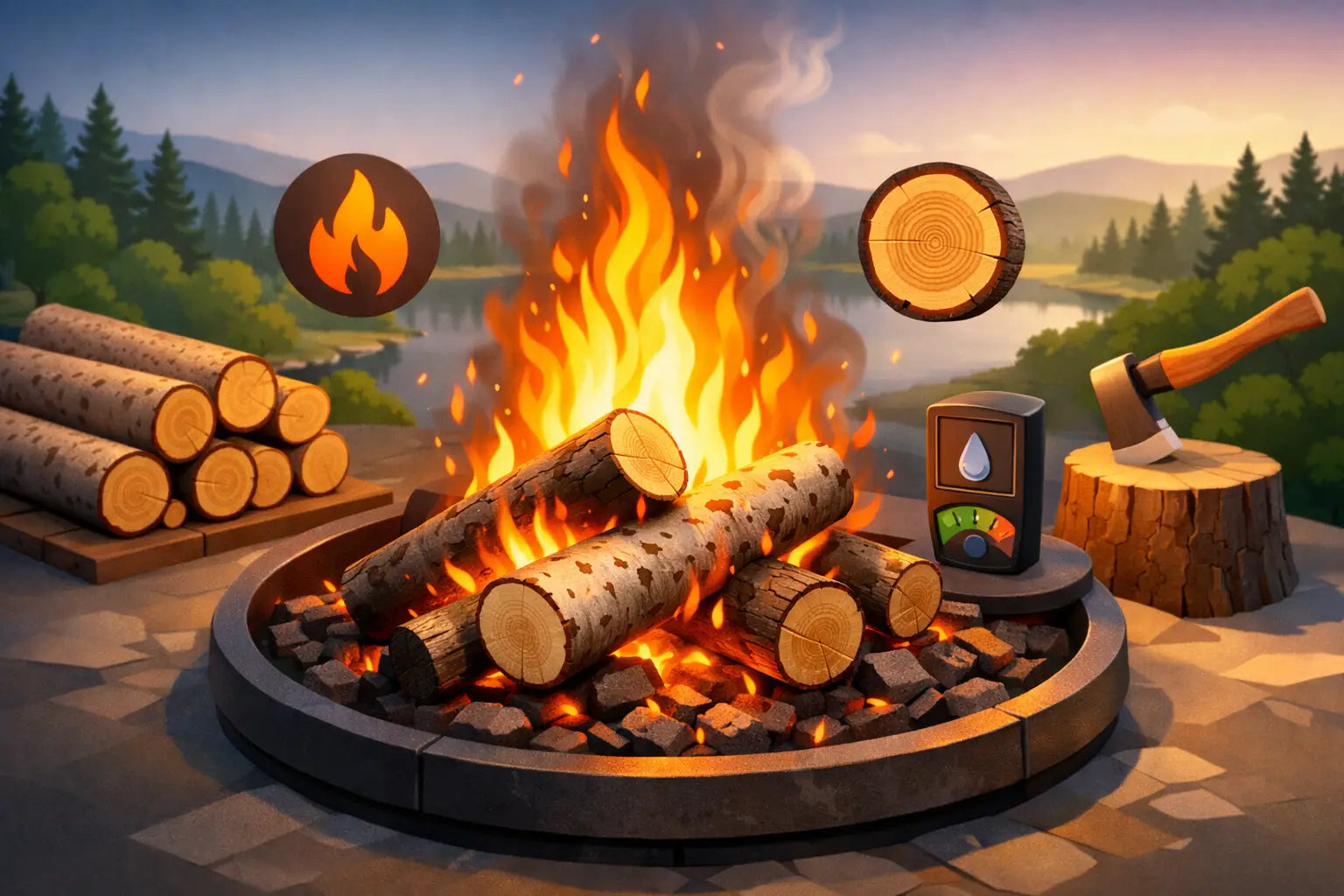
If you have ever put alder on the fire and noticed how quickly it catches and how calmly it burns, you have already seen the main alder logs burning characteristics at work. Alder is not the densest firewood available, but it is reliable, easy to manage and well suited to households that want a clean, straightforward fuel for regular use.
For many stove owners, the question is not whether alder burns, but how it compares in day-to-day heating. That matters because the right log is not just about headline heat output. It is about moisture content, ease of lighting, flame pattern, ash levels and how often you need to refill the stove. Alder performs well in all of those practical areas, provided it has been properly dried.
What alder logs are like on the fire
Alder is generally classed as a medium-density hardwood. In real terms, that means it burns more steadily than very light woods, but it will not usually last as long as denser options such as oak or hornbeam. The benefit is that it is easier to light and quicker to establish a good bed of heat.
When properly kiln-dried to below 20% moisture, alder produces a lively but controlled flame. It tends to ignite without much fuss, which makes it a sensible choice for households that value convenience. If you are lighting a stove in the morning or reviving a fire in the evening, alder helps you get heat into the room without a long wait.
Another of the useful alder logs burning characteristics is its relatively clean burn. With dry logs and adequate airflow, alder burns with limited smoke and a modest ash residue. That helps keep stove maintenance manageable and supports more efficient combustion.
Alder logs burning characteristics in practical terms
The easiest way to understand alder is to think of it as a dependable all-rounder. It is not the slowest burning hardwood, and it is not the most intense in terms of long-duration heat. What it does offer is balance.
Heat output and burn time
Alder gives a respectable level of heat, but because it is less dense than woods such as oak and ash, each log contains less energy by volume. That means you may go through alder a little faster if you are relying on it for long overnight burns or sustained high heat during very cold weather.
That is the trade-off. You gain easier lighting and a more responsive fire, but you give up some burn length compared with heavier hardwoods. For many homes, especially in autumn, spring or milder winter conditions, that is a worthwhile exchange.
Flame behaviour
Alder usually burns with a pleasant, active flame. This makes it useful in both closed appliances and open fires where visual appeal matters as well as heat. On a wood-burning stove, the flame response is quick enough that you can adjust the fire more easily than with some very dense logs that take longer to get going.
Smoke and soot levels
Dry alder is a clean-burning option. The key word is dry. If the logs are poorly seasoned or stored badly, any wood can smoke excessively and leave deposits in the appliance and flue. Properly prepared alder helps reduce that risk, which is one reason Ready to Burn fuel is the safer choice for domestic use.
Splitting and handling
Alder is usually straightforward to process and handle. That matters less if you are buying ready-to-use logs, but it still affects the overall customer experience. Logs that are consistent in size and dryness are easier to stack, easier to load and easier to burn efficiently.
How alder compares with other common firewoods
Alder often sits between lighter, faster-burning woods and denser, longer-lasting hardwoods. If you compare it with birch, alder is similarly easy to light, though the exact burn pattern depends on cut size and dryness. Birch is often chosen for its bright flame and quick heat, while alder offers a similarly user-friendly burn with a calm, steady character.
Compared with ash, alder is usually a little shorter-burning. Ash is valued because it combines good heat output with a reliable burn rate, so if maximum versatility is the aim, ash often has the edge. Alder still holds its place where ease of use and clean everyday burning are priorities.
Against oak or hornbeam, alder is lighter work for lighting and managing, but it does not deliver the same long-lasting burn. Those denser woods are often better for extended heating sessions and colder periods when you want the fire to hold for longer between refills.
So the best choice depends on how you use your stove. If you want a responsive fuel for regular evening fires, shoulder-season heating or mixing with denser logs, alder is a very practical option.
Why moisture content matters more than species alone
People often focus on wood type and overlook the bigger issue. Moisture content has a major effect on performance. Even a good species will disappoint if it is too wet.
With alder, this is especially relevant because its natural advantages show best when it is properly dried. Kiln-dried logs below 20% moisture ignite more readily, produce more usable heat and create less smoke than wetter alternatives. You spend less energy boiling off water and more energy heating the room.
That is also better for the appliance. Wet logs can lead to poor combustion, blackened glass and greater tar and soot build-up in the flue. For households using stoves regularly, consistent low-moisture fuel is not a luxury. It is part of running the system efficiently and safely.
Best uses for alder logs
Alder suits several common heating situations in UK homes. It works well as an everyday stove fuel when you want a fire that starts quickly and burns cleanly. It is also useful for open fires where visible flame matters and where users may prefer a log that responds promptly after lighting.
It can be particularly effective as part of a mixed-fuel approach. Some households use alder to get the fire established, then add denser hardwood logs later for a longer burn. That gives you the best of both worlds - easy ignition followed by greater staying power.
Alder also makes sense for customers who do not want the uncertainty of buying loosely described firewood from mixed local sources. When log quality is inconsistent, the burning experience is inconsistent too. Properly dried, correctly sized alder removes much of that guesswork.
Storage and stove setup still make a difference
Even kiln-dried logs need correct storage once delivered. Keep alder in a dry, ventilated place with protection from rain and ground moisture. If logs are left exposed or packed into a damp shed without airflow, moisture levels can rise again and performance will suffer.
Inside the stove, alder responds best to sensible airflow management. Give it enough air during ignition and when adding fresh logs, then adjust the controls once the fire is established. Closing the stove down too aggressively can lead to incomplete combustion, more smoke and less efficient heat.
Log size matters too. Smaller split alder logs will burn faster and are ideal for getting heat going quickly. Larger pieces last longer but may need a stronger ember bed before they perform at their best.
Is alder a good choice for your home?
For many households, yes. Alder is a sensible option if you want firewood that lights easily, burns cleanly and delivers steady heat without being difficult to manage. It is especially well suited to regular domestic use where convenience and consistency matter as much as raw burn duration.
If your priority is the longest possible burn from each refill, a denser hardwood may suit you better. But if you value quick ignition, clean combustion and dependable everyday performance, alder compares well. That is why it remains a popular choice in quality firewood ranges, including kiln-dried options supplied for UK stove owners who want fuel ready to use on arrival.
The most useful way to think about alder is not as the hottest or longest-burning log on the market, but as one of the most practical. When the wood is dry, the sizing is consistent and the storage is right, alder gives you a fire that is easy to start, clean to run and straightforward to live with. For most homes, that is exactly what good firewood should do.