Skip to content
Why Certified Kiln Dried Logs Matter
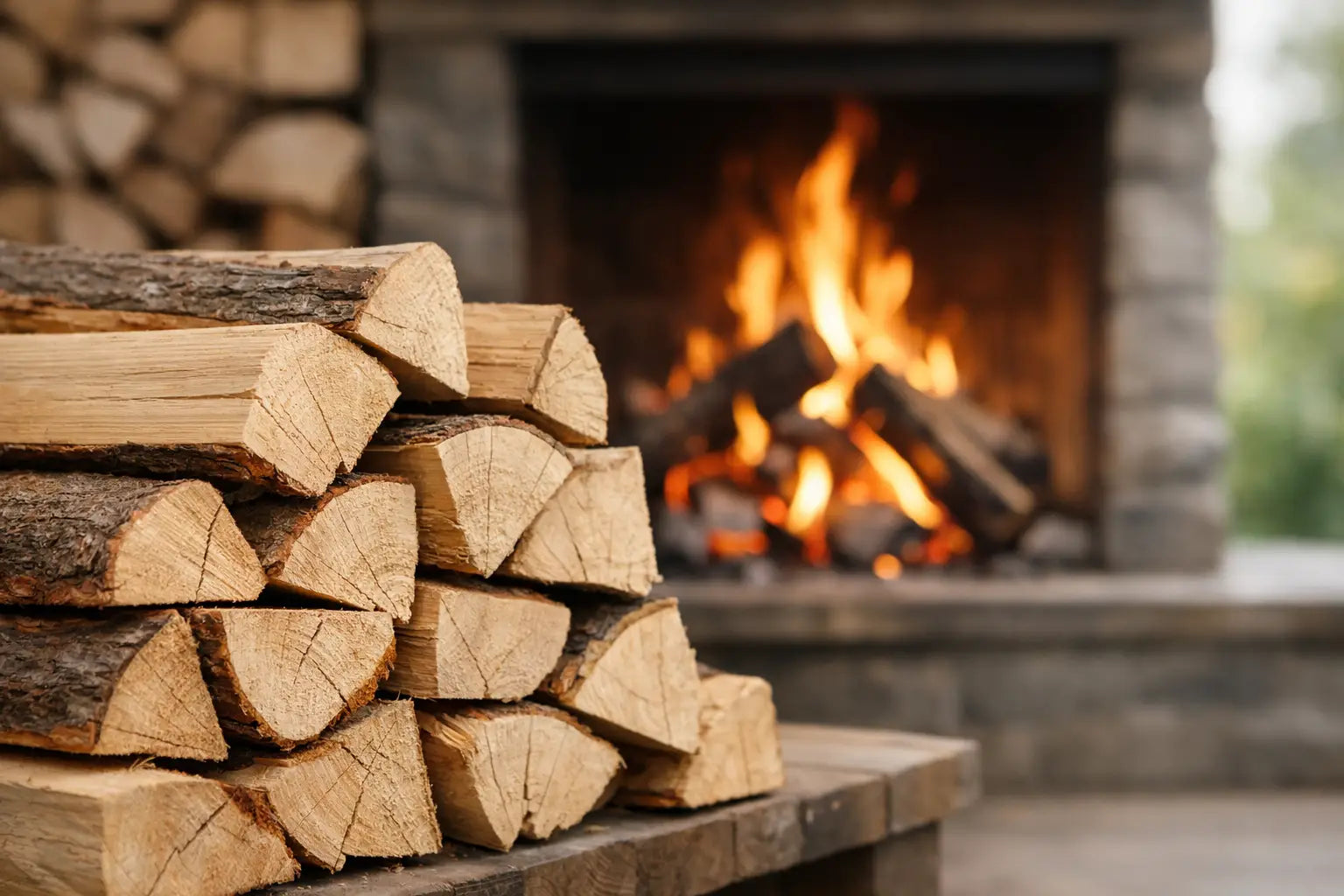
A load of logs can look dry enough from the outside and still cause trouble once it hits the stove. Slow lighting, blackened glass, excess smoke and wasted heat are often signs that the wood is holding more moisture than it should. That is why certified kiln dried logs matter. They remove the guesswork and give you a clear standard to buy against, especially if you want fuel that is ready to use from the moment it arrives.
For households that rely on a wood burner, open fire or multi-fuel stove, moisture content is not a small detail. It has a direct effect on heat output, appliance cleanliness and day-to-day convenience. If you are buying for regular home heating, or for a business that burns through larger volumes, certified dry fuel usually costs less hassle over time than cheaper, unverified wood.
What certified kiln dried logs actually mean
Kiln drying is a controlled process that reduces the moisture in firewood to a level suitable for burning. Instead of leaving logs to season outdoors for long periods and hoping conditions stay favourable, the wood is dried in a kiln where temperature and airflow are managed more closely. The result is more consistent fuel.
The certification side matters just as much as the drying process itself. In the UK, buyers will often look for Ready to Burn certification, which confirms that the wood meets the required moisture standard for domestic solid fuel use. In practical terms, that means the logs should contain less than 20% moisture. When a product is certified, you are not relying on a vague claim on the bag or a seller saying the wood is "well seasoned". You are buying against a recognised benchmark.
That matters because low moisture wood burns more efficiently. More of the fire's energy goes into producing usable heat, rather than being spent driving water out of the logs. The flame is steadier, ignition is easier and the fire tends to produce less smoke and residue.
Why moisture content makes such a difference
If you have ever struggled to keep a fire going with poor-quality logs, you have already seen the effect of excess moisture. Wet or partly seasoned wood hisses, spits and burns sluggishly. It can also leave your stove glass dirty and contribute to soot and tar build-up in the flue.
Certified kiln dried logs are different because they start from a known moisture level. That gives you a cleaner, hotter burn and a more predictable heating experience. You use less effort getting the fire established, and once it is burning properly, the appliance performs more as it should.
There is also a cost angle here. Buyers sometimes focus only on the price per bag or crate, but the cheaper load is not always the better value. If logs contain too much water, part of what you paid for is moisture rather than usable fuel. Wood that burns efficiently can offer better value per cubic metre because more of the product is going towards heat.
Certified kiln dried logs and stove performance
Modern stoves are designed to operate best with dry fuel. If you feed them poor-quality logs, performance drops quickly. Airflow settings become harder to manage, the flame picture is less stable and the stove may struggle to reach the temperatures needed for efficient combustion.
With certified kiln dried logs, the appliance can do its job properly. You get stronger heat output, cleaner combustion and less residue left behind. Over time, this can help reduce the amount of cleaning and maintenance needed around the stove and flue system.
That does not mean every certified log burns in exactly the same way. Different species still matter. Birch tends to light easily and gives a lively flame. Oak is denser and can provide a longer burn. Ash is popular for its steady heat and reliable all-round performance. Alder and hornbeam also have their place depending on the appliance and the type of burn you want. Certification gives you confidence in dryness, while species choice helps you fine-tune the experience.
What to check before you buy
Not every product described as kiln dried gives the same level of reassurance. If you want to buy well, it helps to check a few practical details rather than stopping at the headline claim.
First, look for recognised certification and a clear statement that the logs are below 20% moisture. If this is missing, ask questions. A reputable supplier should be able to confirm the standard the wood meets.
Second, look at how the logs are sold. Volume matters. Whether you are buying net bags, fire-box packs or larger crates, you should be able to understand how much fuel you are actually getting and compare formats sensibly. Transparent volumetric pricing makes it easier to work out value, especially for larger or repeat orders.
Third, consider the species and log size. A compact stove may need shorter logs, while a larger appliance can handle broader dimensions. If you like a quick, easy evening fire, birch may suit you well. If you want a slower, longer-lasting burn, denser hardwoods can make more sense.
Finally, think about delivery and storage. Logs can arrive genuinely dry and then lose some of that advantage if left exposed to rain or poor airflow. Buy from a supplier that handles packaging and fulfilment properly, and make sure you have a dry, ventilated place ready for storage.
Are certified kiln dried logs always the right choice?
For most domestic wood-burning setups, yes, they are the simplest and most dependable option. They are particularly useful if you want a ready-to-burn product without the uncertainty of storing and seasoning wood yourself.
That said, there are trade-offs. Certified kiln dried logs can cost more upfront than unverified or partly seasoned alternatives. If you have a large storage area, access to local timber and enough time to manage seasoning correctly, you may decide to process some of your own fuel. But that route depends on space, patience and consistency. Many households would rather pay for convenience and certainty than spend months trying to achieve the same result at home.
For regular stove users, that convenience is not trivial. Buying fuel that arrives ready to burn saves time, reduces mess and lowers the chance of discovering mid-winter that your wood is not as dry as you thought.
Why certification matters for air quality and compliance
There is a wider reason to choose properly dried fuel. Cleaner burning wood is not just better for your stove. It is also better for local air quality. When logs burn efficiently, they generally produce fewer emissions than wetter wood burning badly.
This is one of the reasons certified standards are useful. They help set a clear expectation for what suitable domestic firewood looks like. For households in smoke control areas, or simply for anyone trying to burn more responsibly, certification is a practical step rather than a marketing extra.
If you are comparing suppliers, this is where trust matters. A dependable retailer should be clear about certification, moisture content, wood type, packaging and delivery terms. Vague product descriptions usually create uncertainty, and uncertainty is the last thing you want when ordering fuel in volume.
Buying for the season, not just for the weekend
A few bags might get you through a cold spell, but many buyers are better off planning further ahead. If you know your usage pattern, it often makes sense to order enough certified kiln dried logs to cover a meaningful part of the heating season. Bulk buying can improve value, reduce the number of reorders and make winter supply less stressful.
This is especially relevant for rural households and small commercial users, where popping out for emergency fuel is not always practical. Reliable nationwide delivery, clear lead times and a consistent product range make a real difference when you are trying to keep a property heated without interruption.
Candowe focuses on that kind of reliability - certified dry fuel, straightforward product information and formats that work for both occasional burners and larger-volume buyers. For customers who want clean-burning logs without the usual uncertainty, that clarity matters as much as the wood itself.
The best firewood purchase is rarely the one with the cheapest sticker price. It is the one that lights easily, burns cleanly, gives dependable heat and arrives exactly as promised. If you want fewer surprises at the stove and more confidence in every order, certified kiln dried logs are a sensible place to start.