Skip to content
White Horse Energy Firewood Alternative Options
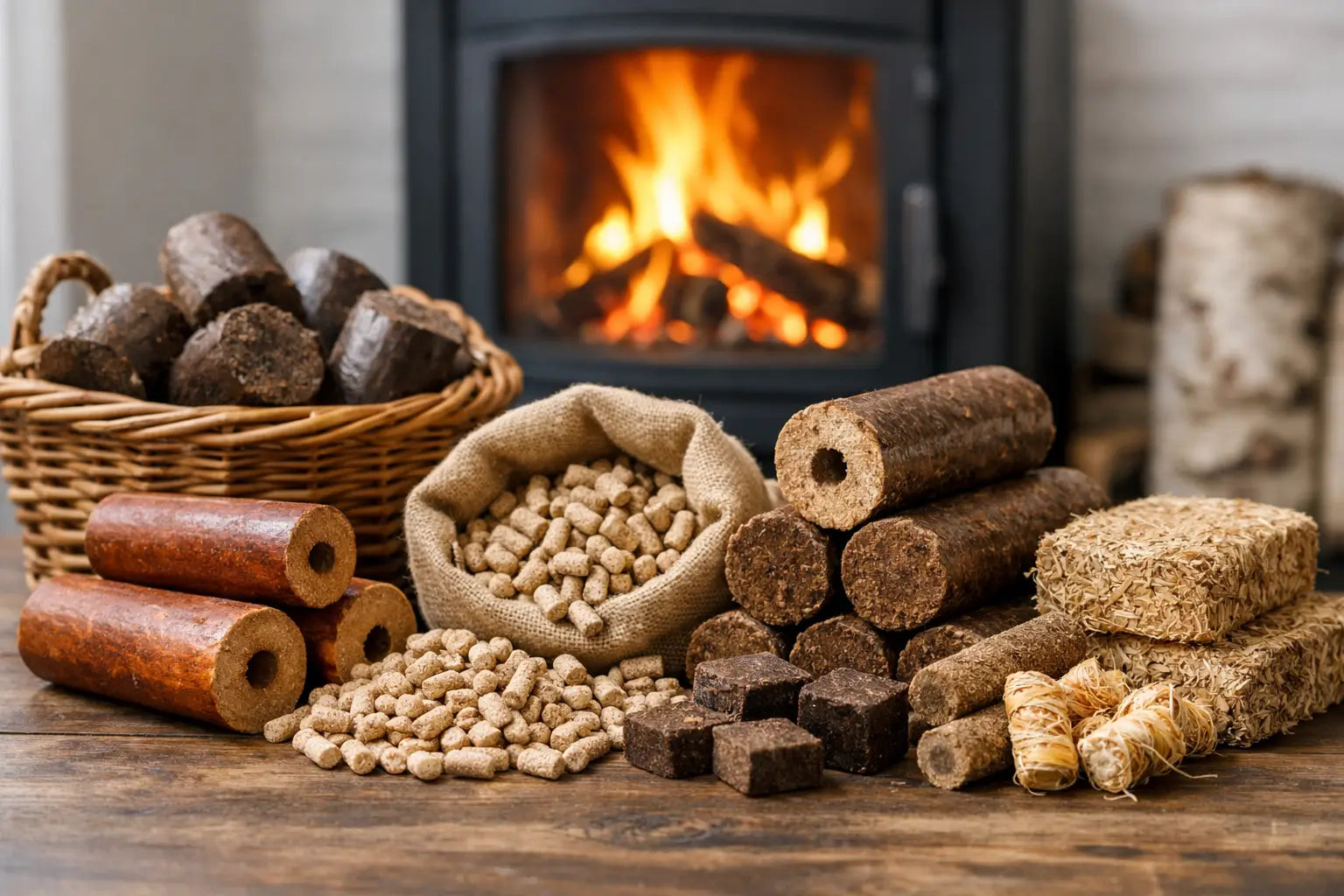
When you need a White Horse Energy firewood alternative, the priority is not simply finding logs that are available. It is finding fuel that is consistently dry, straightforward to store and suited to the way you heat your home. A cheap load of unseasoned wood can quickly lose its appeal when it hisses in the stove, darkens the glass and produces less heat than expected.
For most households, kiln-dried firewood is the closest practical replacement. It arrives ready to burn, offers predictable performance and removes the time, space and uncertainty involved in seasoning wet logs yourself. The best option will still depend on your appliance, how often you light it and whether you are buying for occasional fires or regular winter heating.
What to look for in a White Horse Energy firewood alternative
Start with moisture content. Dry wood burns more efficiently because less of the fire's energy is spent driving water out of the logs. For domestic use, choose Ready to Burn certified firewood with a moisture content below 20%. This gives you a cleaner, easier fire and helps reduce unnecessary smoke and deposits in the flue.
Certification matters, but so does the information supplied with the order. A dependable retailer should make it clear whether the product is kiln-dried, what species you are buying, the format of the load and the amount of wood included. Comparing prices without comparing volume can be misleading. A crate, bag or bundle may look similar online while containing a very different usable quantity of fuel.
Delivery is another practical consideration. If you rely on a stove as a meaningful part of your household heating, an irregular local supply can leave you buying small bags at a higher cost when demand rises. Ordering a planned stock of dry logs allows you to keep a reserve under cover and avoid making a rushed decision during cold weather.
Kiln-dried logs: the direct replacement
Kiln-dried logs are the natural choice for homes with wood-burning stoves, open fires and log burners. The drying process reduces moisture to a controlled level, so the wood lights more readily and burns with a steady flame. It also means you can use it soon after delivery, rather than waiting months for a log pile to season.
The species you choose will influence the character of the fire. There is no single best log for every household, but there are useful differences to understand.
Birch and alder for easy lighting
Birch is popular when you want a bright, attractive flame and quick heat. Its bark can make it especially easy to light when used with suitable kindling, making it a sensible choice for evening fires and regular stove use. Because it burns relatively quickly, it is often best for households that value convenience and a lively flame over the longest possible burn.
Alder is another reliable, easy-burning option. It generally produces good heat and is well suited to smaller stoves, fires lit for shorter periods and customers who prefer manageable logs that establish a fire without fuss.
Ash, oak and hornbeam for longer burns
Ash is valued for dependable heat and a balanced burn. It is a versatile choice for regular use, offering a good combination of flame, warmth and burn duration when properly kiln-dried.
Oak is denser and usually burns more slowly. It can be an efficient option for a stove that is kept going for longer periods, although it benefits from a well-established fire because dense logs can take a little longer to catch. Hornbeam is similarly dense and high in heat output, making it well suited to customers looking to get the most from each stove load.
A mixed hardwood crate can be a practical middle ground. It gives you lighter logs to get the fire going and denser pieces to maintain heat later in the burn. For many homes, that flexibility is more useful than committing to one species alone.
Choose the format around your storage and usage
The right format should make fuel management easier, not create another job. Net bags and fire-box packs work well where storage is limited, where access is awkward or where you only burn wood occasionally. They are easy to carry from the delivery point to a shed, garage or log store, and they let you buy a modest amount without overfilling the space available.
For regular stove users, crates offer clearer value and a more convenient supply. They are particularly useful for rural homes, households with more than one appliance and buyers planning ahead for the heating season. When comparing crates, check whether the stated volume is loose-filled or stacked, and make sure the delivery location has suitable access for a palletised load.
Whatever the format, store logs off the ground and protect them from rain while allowing air to circulate. A covered log store with open sides is ideal. Bringing a small quantity indoors a day or two before use can help keep the fuel clean and ready to light, but avoid storing large volumes directly beside the stove.
Consider briquettes or pellets where they suit the appliance
Logs are not the only solid-fuel option. Wood briquettes are compressed, dry fuel blocks that can offer strong, consistent heat and take up less storage space than an equivalent loose volume of logs. They can be a useful addition for a stove user who wants a longer-lasting fuel for particular evenings, but always check the appliance manufacturer's guidance before using them. Some briquettes expand as they burn, so they should not be over-loaded.
Wood pellets are intended for pellet stoves and boilers, not conventional log burners. If your appliance is designed for pellets, they can provide a controlled and convenient heating option. If it is a standard wood-burning stove, stay with suitably sized kiln-dried logs or approved briquettes.
Smokeless coal and anthracite are also appliance-specific choices. They may suit certain multi-fuel stoves, but they should never be treated as interchangeable with wood. Confirm what your stove is approved to burn, especially if you live in a smoke control area.
Do not judge value by the headline price alone
The most economical firewood is not necessarily the lowest-priced load. Wet wood can be cheaper at the point of purchase but deliver less usable heat, require more effort to light and leave more residue behind. With dry, certified logs, you are paying for fuel that is ready for the appliance rather than wood that still needs months of drying.
Compare the total delivered price, stated volume, moisture standard and wood species. Also consider whether kindling is included and whether delivery is available to your postcode without unexpected charges. These details make a noticeable difference when buying enough fuel to last several weeks or a full season.
Candowe supplies kiln-dried, Ready to Burn firewood in formats ranging from convenient bags to larger crates, helping customers match their order to storage space and expected use. For mainland UK households, dependable delivery and clear product information can be as valuable as the logs themselves.
How much firewood should you order?
A household that lights a stove once or twice a week for atmosphere will use far less than one that relies on it most evenings through winter. Start by considering how many fires you light in a typical week, how large your stove is and whether the room is well insulated. If you are changing supplier, a smaller first order can help you judge log size, species preference and your real rate of use before committing to a larger crate.
It is wise to keep enough dry fuel to cover a spell of cold weather, particularly if you live outside a town or have limited nearby retailers. Ordering before the first sustained cold period gives you more choice and avoids having to compromise on format or species when demand is high.
A good fire should feel predictable: dry logs that light cleanly, provide the heat you expect and fit the way you live. Choose certified fuel, buy a sensible amount for your storage, and your alternative supply can become one less thing to worry about when temperatures fall.