Skip to content
Ready to Burn Firewood: What It Means
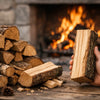
If you have ever tried to light a stove with damp logs, you will know the difference straight away. Ready to burn firewood is not a marketing extra. It is wood that has been dried to a moisture content low enough to burn cleanly, light more easily and give reliable heat without wasting energy driving off excess water.
For households that rely on a wood burner, open fire or multi-fuel stove, that difference matters every day. It affects how quickly your fire starts, how much heat reaches the room, how often you need to clean the glass and flue, and how much fuel you get through across a colder spell. Buying the right logs from the start is usually simpler and better value than trying to season uncertain wood yourself.
What is ready to burn firewood?
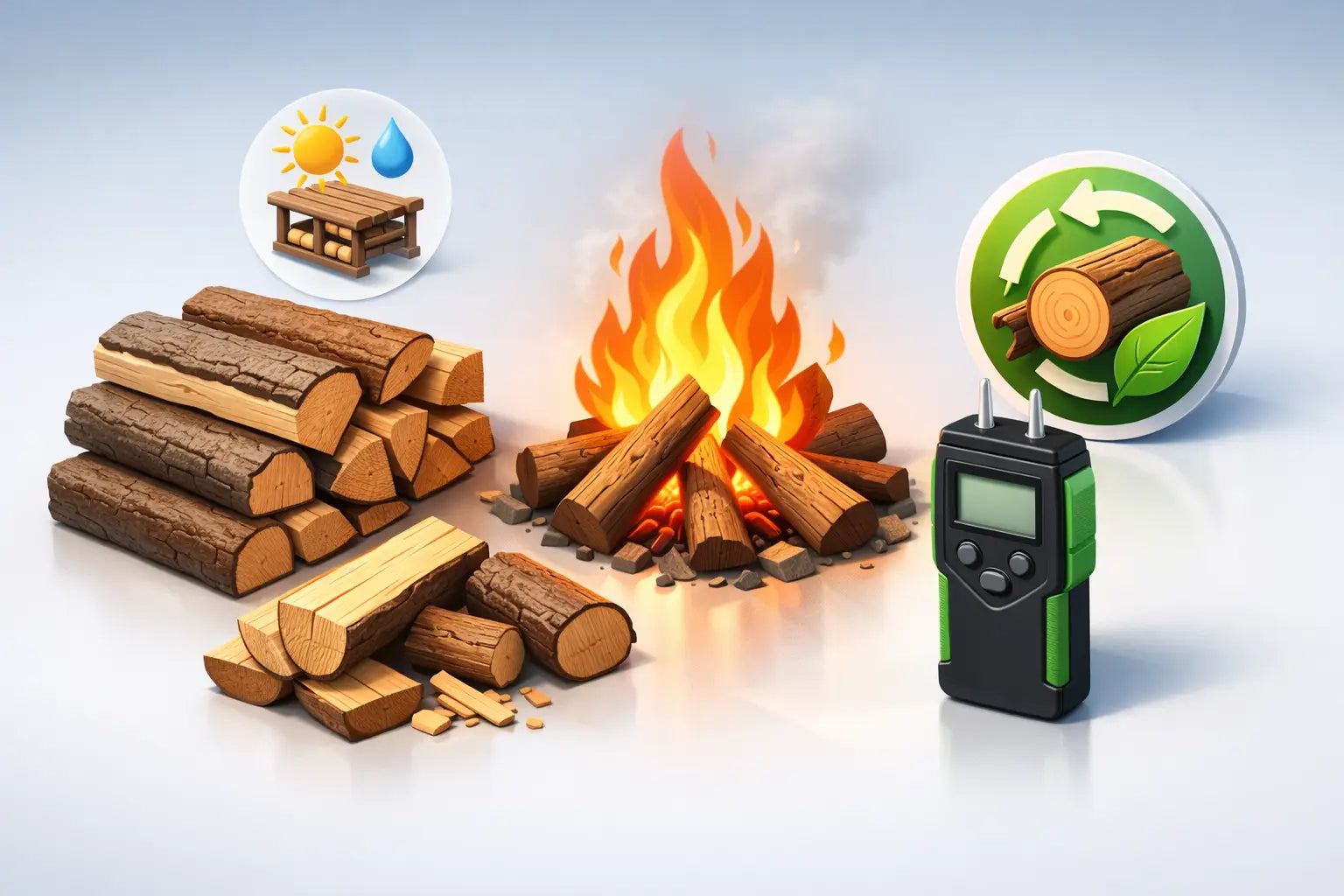
In practical terms, ready to burn firewood is wood supplied dry enough for immediate use. In the UK, that usually means logs with a moisture content below 20%. That figure is important because wetter wood burns less efficiently. Instead of giving steady heat, it spends a good part of the burn trying to evaporate water.
This is why dry, certified logs are easier to live with. They ignite more consistently, produce a livelier flame and create less smoke than poorly seasoned alternatives. They also leave behind less soot and tar in the appliance and flue, which helps with maintenance and supports safer operation over time.
Kiln-dried logs are a common example. By reducing moisture in a controlled environment, suppliers can offer a more dependable product than air-dried wood of unknown age or storage history. That consistency matters when you are ordering online and want to know the fuel will perform as expected when it arrives.
Why ready to burn firewood performs better
The main advantage is efficiency. Dry logs release more of their energy as useful heat, rather than wasting it on moisture. That gives you a warmer room from the same volume of fuel and often a more controllable burn.
There is also the question of cleanliness. Wet or partially seasoned logs can smoke, blacken stove glass and increase deposits inside the flue. Ready to burn firewood helps reduce those issues. It does not remove the need for good stove operation or proper sweeping, but it gives your appliance a better starting point.
The user experience is better too. Fires start faster, need less coaxing and are generally easier to keep going. If you are heating a room on a cold evening, that convenience is not minor. It saves time, reduces frustration and makes your fuel supply feel dependable rather than hit and miss.
How to spot genuine ready to burn firewood
Not all logs sold as dry are equally reliable. The safest approach is to look for clear product information and recognised certification rather than broad claims. Moisture content should be stated plainly, and the wood should be supplied in a format that protects its condition during storage and delivery.
Packaging and presentation tell you a lot. Net bags, crates, boxes and palletised formats can all work well, but the key point is consistency. If the supplier is transparent about species, dimensions, loose volume and moisture level, it is easier to compare value and choose the right product for your stove and storage space.
You should also consider delivery readiness. Firewood that arrives dry but is left exposed to the weather will not stay that way for long. A reliable supplier will usually structure products and fulfilment around convenience, so the logs arrive in a condition that can be stored and used straight away.
Does the wood species matter?
Yes, but not always in the way people think. Moisture content comes first. Even an excellent hardwood will disappoint if it is too wet. Once the logs are properly dried, species becomes more about burn character, heat output, flame pattern and how often you want to refuel.
Birch is popular because it lights easily and burns brightly, making it a practical choice for everyday use. Ash is often chosen for its steady performance. Oak and hornbeam are denser hardwoods that can offer a longer burn, which suits customers looking for sustained heat. Alder can be a good option where quick, consistent burning is the priority.
There is no single best firewood for every home. A smaller stove in a well-insulated room may benefit from a different mix than a larger appliance heating a busier living space. Some households prefer an easy-lighting species for daytime use and a denser log for evenings. What matters most is buying dry, well-prepared logs in a format that matches how you actually burn fuel.
Ready to burn firewood and stove efficiency
A stove can only perform as well as the fuel put into it. Even a high-quality appliance will struggle to burn wet logs cleanly. If your fire is slow to catch, your glass darkens quickly or your heat output seems poor for the amount of wood used, fuel moisture is one of the first things to question.
Dry logs support better airflow and more complete combustion. That means a stronger flame, improved heat transfer and fewer combustion by-products left behind. It can also help you use your air controls more effectively, because the stove responds more predictably when the wood is ready to burn.
There is a cost angle here as well. Cheaper logs are not always better value if much of what you are paying for is water. A lower purchase price can disappear quickly when you need more fuel to achieve the same room temperature.
Storage still matters after delivery
Even the best ready to burn firewood needs sensible storage. The goal is simple: keep it dry, ventilated and easy to access. A log store with airflow, a covered outdoor area or a dry outbuilding usually works well. The wood should be protected from direct rain and not stacked tightly against damp walls.
It is worth keeping a smaller quantity indoors or near the stove for convenience, but avoid overheating or sealing logs in a way that traps moisture. If the fuel arrives in bags, crates or boxes, that can help you manage stock more neatly, especially if space is limited.
Storage is also where format matters. Some households want larger loads for value and fewer repeat orders. Others need smaller, easier-to-handle packs that fit around limited space. There is no point buying a big volume if you cannot keep it dry once it gets home.
Is ready to burn firewood worth the extra cost?
For most stove users, yes. The upfront price can be higher than unseasoned or loosely described logs, but the overall value is usually stronger. You are paying for fuel that is usable immediately, burns more efficiently and creates fewer problems with lighting, smoke and residue.
The trade-off is straightforward. If you have plenty of storage space, time to season wood properly and confidence in checking moisture yourself, buying greener logs can sometimes make sense. Many customers, though, do not want the delay, uncertainty or mess. They want fuel that arrives ready, performs reliably and saves them the trouble of second-guessing quality.
That is especially true during winter, when replacing a poor-quality delivery is more than inconvenient. It can leave you short of heating when you need it most.
Choosing the right supplier
A good firewood supplier should do more than drop logs at your door. They should make it clear what you are buying, how dry it is, how much you will receive and when it will arrive. Transparency matters because it lets you compare on a like-for-like basis rather than guessing from vague bag descriptions.
Look for clear volumetric pricing, stated species, moisture details and delivery terms that suit your location. If you buy regularly, consistency becomes just as important as headline price. Reliable stock, predictable lead times and practical packaging can make a real difference over a heating season.
This is where a specialist supplier such as Candowe can make the process easier. When the catalogue is structured clearly and the product range covers different species, pack sizes and complementary fuels, it is much simpler to order what your household actually needs without trial and error.
When ready to burn firewood makes the biggest difference
The benefits are most obvious when convenience matters. If you rely on your stove several times a week, if you are topping up household heating costs carefully, or if you want to avoid the hassle of poor local supply, dry certified logs are usually the sensible choice.
They also make life easier for occasional users. If you only light the fire at weekends or during cold snaps, you do not want to waste time fighting with damp wood. You want a product that stores well, lights cleanly and does its job first time.
A good fire should not be unpredictable. Ready to burn firewood gives you a cleaner, simpler and more reliable way to heat your home, which is exactly what most people are looking for when they order logs in the first place.