Skip to content
Which Fuel Suits Multi Fuel Stoves Best?
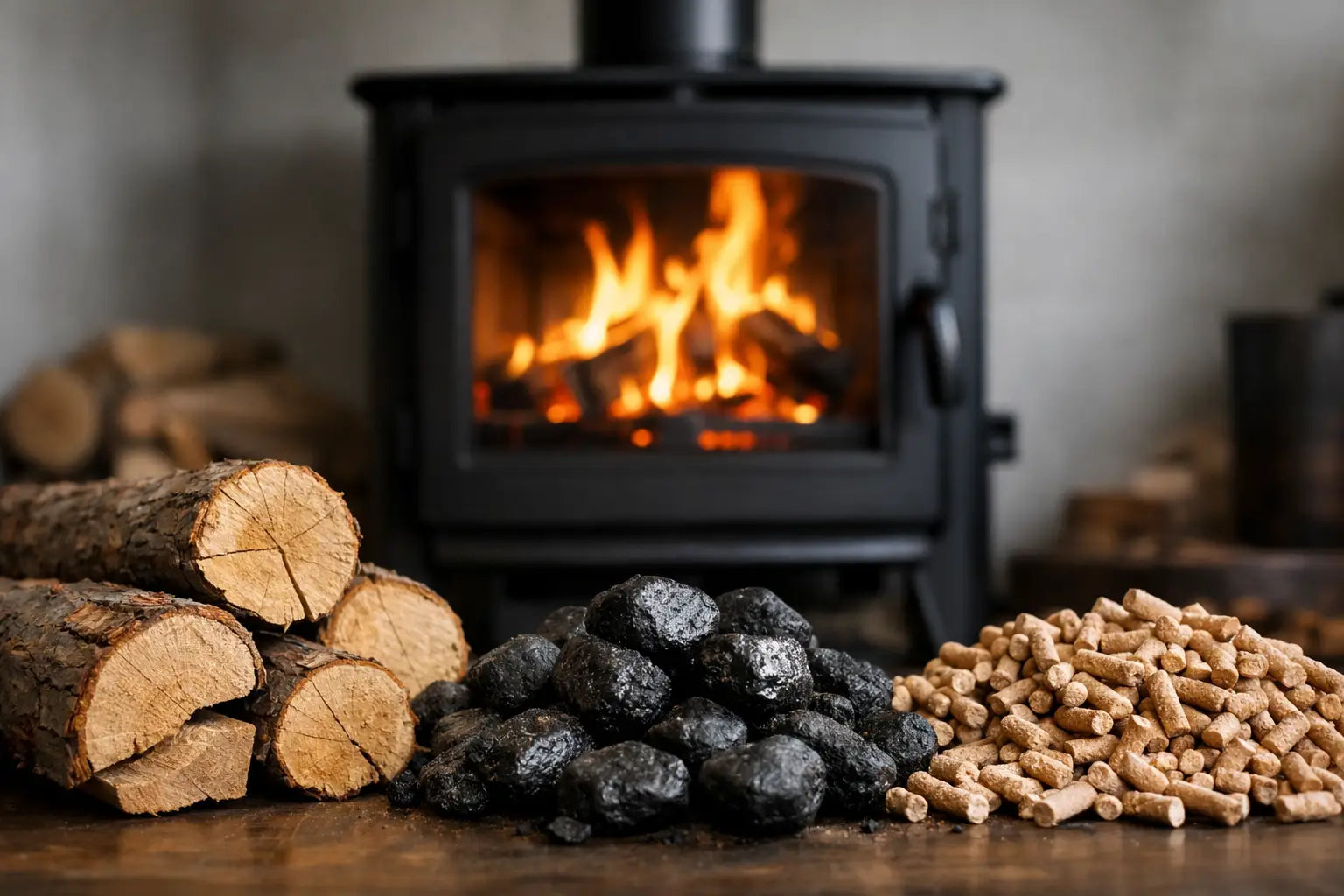
A multi fuel stove gives you useful choice, but that choice only pays off when the fuel matches the appliance, the way you heat your home and the area where you live. If you are asking which fuel suits multi fuel stoves, the short answer is usually kiln-dried logs for a lively, attractive fire, and approved smokeless fuel or anthracite for longer-lasting heat. The right option depends on your stove manufacturer's instructions, your chimney or flue set-up and whether you live in a Smoke Control Area.
The one rule that applies in every case is to buy clean, dry fuel from a reliable source. Poor-quality fuel creates more smoke, more ash and more deposits in the flue, while reducing the heat you get from every bag or crate.
Which fuel suits multi fuel stoves in everyday use?
Multi fuel stoves are designed to burn more than one solid fuel, normally wood and authorised mineral-based fuels. They differ from dedicated wood burners because they have a grate and ash pan that allow air to rise from below - something smokeless fuel and anthracite need to burn properly.
That does not mean every solid fuel is suitable for every multi fuel stove. Check the appliance manual before trying a new fuel. Manufacturers may specify suitable fuel sizes, restrict certain fuels, or state that wood and mineral fuel should not be burnt together. Using the wrong product can damage internal components, invalidate a warranty and make it harder to control the fire.
For most UK households, the practical choices are kiln-dried hardwood logs, smokeless coal, anthracite and purpose-made briquettes. Each has a different burning character.
Kiln-dried logs for fast, comfortable heat
Ready to Burn kiln-dried logs are the natural choice for people who enjoy using their stove in the evening or want responsive heat without waiting for fuel to catch properly. Certified logs have a moisture content below 20%, so more of the fire's energy is turned into heat rather than spent boiling off water.
Hardwood species such as ash, hornbeam and oak generally provide a longer burn and a strong heat output. Birch lights readily and produces a bright flame, making it especially useful when starting a fire. Alder is another easy-lighting option that suits regular stove use. A mixed load can work well: use a quicker-lighting log to establish the fire, then add denser hardwood to maintain it.
Dry logs also help keep the glass clearer and reduce soot in the appliance and flue. They should still be stored correctly after delivery, ideally in a dry, ventilated log store with protection from driving rain. Never assume that a covered pile with little airflow will stay dry through a British winter.
Wood burns best on a bed of ash with air directed mainly above the fuel. If your multi fuel stove has a riddling grate, avoid leaving it fully open when burning logs unless the manufacturer advises otherwise. Too much air from underneath can make wood burn too quickly and send useful heat up the chimney.
Smokeless fuel for an extended burn
Approved smokeless fuel is made for closed appliances and is a dependable option when you want slower, steadier warmth. It usually produces less visible smoke than traditional house coal and can be suitable in Smoke Control Areas when it is an authorised fuel. Always confirm the specific product's approval and follow local requirements.
Smokeless fuel needs a good supply of air underneath. Use the stove's grate and ash pan as intended, and remove ash often enough to prevent airflow being blocked. Once established, it can provide a long burn with less frequent refuelling than logs, which suits cold days, early mornings and households that want heat to last longer between fills.
The trade-off is that smokeless fuel does not give the same open, dancing flame as kiln-dried logs. It can also produce more ash than wood, depending on the product. It is best viewed as a practical heat source rather than a fuel chosen mainly for the appearance of the fire.
Anthracite for high, lasting heat
Anthracite is a naturally hard, high-carbon fuel that burns with an intense, long-lasting heat when used correctly. It is often chosen by experienced stove owners who need sustained output and are prepared to manage the stove carefully. Smaller grades may suit certain appliances better, so the fuel size in your manual matters.
Because anthracite burns very hot and needs strong air from beneath, it is not suitable for every stove. It can be slower to light than smokeless fuel, and a poorly matched grade may be difficult to keep alight. Do not use it simply because it lasts a long time - use it when your appliance manufacturer confirms it is appropriate.
If you live in a Smoke Control Area, verify that both your stove and the particular anthracite product comply with the relevant rules. Local authority guidance takes priority, and fuel legislation can differ across the UK.
Briquettes as a tidy alternative
Wood briquettes are compressed dry wood, usually supplied in clean, compact packs. They can offer a convenient, low-mess alternative to loose logs and are useful where storage space is limited. Good-quality briquettes are dry and energy-dense, but they expand as they burn, so start with a small amount and avoid overfilling the firebox.
Not all briquettes behave alike. Some are intended for open fires, some for stoves and some for overnight burning. Read the packaging and your stove guidance before use. A briquette that burns too fiercely in a small stove can lead to overfiring, which may warp parts or damage firebricks.
Wood pellets are different again. Standard wood pellets should only be used in a pellet stove or an appliance specifically designed to burn them. Do not put them into a conventional multi fuel stove unless the manufacturer explicitly permits it.
Choosing fuel around your heating routine
The best fuel is often determined by when and why you use your stove. For occasional evening fires, kiln-dried logs offer easy lighting, pleasant flames and straightforward control. For regular daytime heating during cold weather, a smokeless fuel may reduce how often you need to refuel. For long-duration heat in a compatible appliance, anthracite can be effective.
Many households keep more than one suitable fuel available. For example, kiln-dried kindling and birch can make lighting simple, while ash or hornbeam logs provide dependable heat once the fire is established. Smokeless fuel can then be reserved for times when a longer burn is more useful. This approach gives you flexibility without relying on damp or unsuitable emergency fuel.
Avoid mixing fuels in the same fire unless your stove manufacturer says it is safe. Different fuels need different airflow and burn at different temperatures, making the stove harder to control. It is generally easier to get clean, efficient performance by finishing one fuel type before changing to another.
Fuel to avoid in a multi fuel stove
A multi fuel label is not permission to burn anything combustible. Never burn household rubbish, painted or treated timber, MDF, chipboard, pallets of unknown origin, plastic, coal with unsuitable properties, or wet unseasoned logs. These materials can release harmful fumes, cause excessive deposits and damage the stove and flue.
Traditional house coal is also subject to restrictions in England, where sales for domestic burning have been phased out. If you need a mineral fuel, choose an appropriate authorised smokeless product rather than relying on old assumptions about what can be burnt at home.
Moisture is equally important. Wet wood hisses, blackens the stove glass and produces far less useful heat. Ready to Burn certified logs remove the uncertainty: they arrive at the right moisture level for immediate use, rather than requiring months of seasoning in a shed or garden.
Get better results from whichever fuel you choose
Fuel quality and stove operation work together. Start with a clean grate, use dry kindling and light the fire with enough airflow to establish a hot burn quickly. Once the fuel is burning well, adjust the controls gradually rather than shutting the air down too soon. A slow, smouldering fire may seem economical, but it creates more smoke and deposits than a properly burning one.
Have your chimney or flue swept at suitable intervals by a qualified professional, particularly if the stove is in frequent use. Empty ash safely into a metal container and allow it to cool completely before disposal. Check door seals, firebricks and baffles periodically, as worn parts can affect efficiency and safety.
For dependable everyday stove heating, buy fuel that is clearly specified, correctly dried and suited to your appliance. Candowe's Ready to Burn kiln-dried logs and complementary solid fuels make it easier to stock up with confidence, whether you need convenient packs or a larger delivery for the heating season.
A well-matched fuel does more than keep the room warm. It gives you a cleaner fire, more predictable running costs and the reassurance that your stove is being used as it was designed to be.