Skip to content
Is Oxbow Red Smokless Coal Right for You?
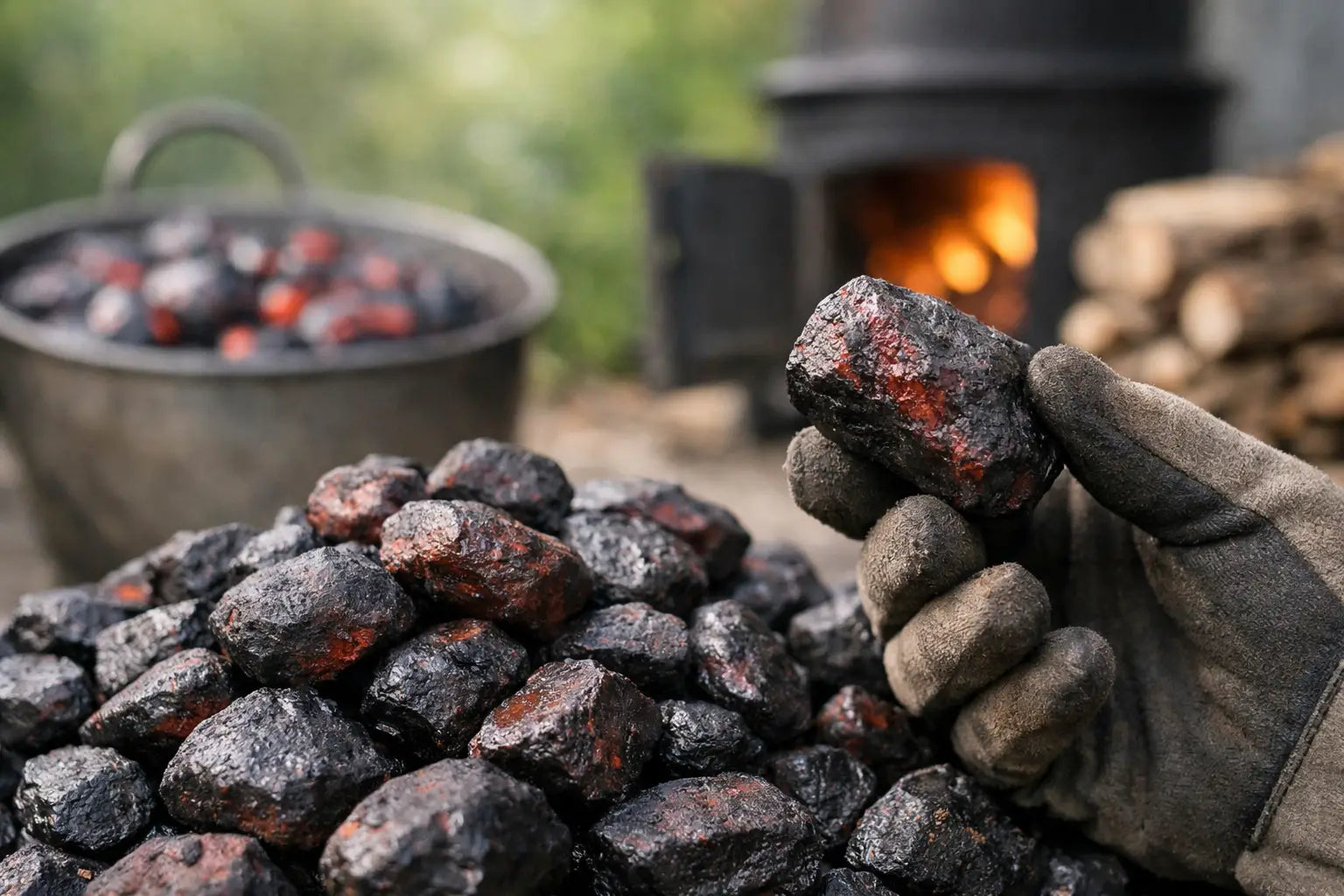
If you are looking for Oxbow Red smokeless coal, the first question is not simply how much to order. It is whether the fuel is suitable for your appliance, your local area and the way you heat your home. A good solid fuel should provide dependable heat without creating unnecessary ash, smoke or storage problems - but the right choice always starts with the appliance manufacturer’s guidance.
Oxbow Red is generally sought as a smokeless solid fuel for household heating. It may be a practical option for people with compatible multi-fuel stoves, room heaters and certain open fires, particularly where a long-lasting, steady fire is more useful than a quick burst of heat. Before ordering, check the current product packaging and specification carefully, as authorised uses, fuel composition, sizing and performance can vary between products and batches.
What is Oxbow Red smokeless coal?
The term smokeless coal is widely used for manufactured solid fuels designed to burn with significantly less visible smoke than traditional house coal. These fuels are normally formed into consistent pieces or ovoids, making them easier to store, handle and regulate than loose, variable-grade coal.
The key benefit is controlled, sustained heat. When used correctly in an appropriate appliance, a quality smokeless fuel can maintain a useful firebed for longer periods, making it particularly appealing during colder weather or for evening heating. The trade-off is that it usually needs a properly established fire and sufficient air from below to perform as intended. It is not a fuel to place on a weak, struggling fire and expect instant results.
The spelling matters when searching online, too. Many people search for “smokless”, while product labels and regulations generally use “smokeless”. Check that you are comparing the exact product, pack size and approved-use information rather than relying on the name alone.
Check your appliance before you buy
Smokeless fuel is not interchangeable with every fuel type. Some appliances are designed for wood only, while multi-fuel appliances have a grate and air controls intended to handle mineral-based fuels. Burning smokeless coal in a wood-only stove can damage internal components, reduce performance and may invalidate the stove warranty.
Look in your stove manual for clear guidance on approved fuels. A multi-fuel grate typically allows ash to fall through into an ashpan, while primary air enters beneath the firebed. This airflow is central to burning smokeless fuel efficiently. If your appliance has a flat wood-burning base and no under-grate air supply, it may not be suitable.
Open fires need equal care. Some smokeless fuels can be used on suitable open grates, but not every product is intended for that purpose. Use only fuels approved by the manufacturer of the appliance and follow the instructions on the fuel bag. If in doubt, ask a qualified stove retailer or installer before buying a larger quantity.
Smoke control areas and authorised fuel
Many towns and cities in the UK are smoke control areas. In these areas, you must use an authorised fuel or an exempt appliance operated in line with its conditions. “Smokeless” is a useful description, but it should not be treated as proof that a particular fuel is authorised for use in your location.
Check the product’s current authorisation status and your local council’s requirements before use. This is especially relevant if you are replacing an older fuel with a new brand or ordering for a property you have recently moved into. Compliance protects air quality and helps avoid the inconvenience and potential penalties associated with using an unsuitable fuel.
It is also worth being realistic about the term. Smokeless fuel does not mean emission-free fuel. Good combustion, a clean flue and correct appliance operation still matter. A poorly maintained stove or a fire starved of air can produce unwanted emissions regardless of the fuel used.
What burn performance should you expect?
For many households, the appeal of Oxbow Red smokeless coal is heat that is more sustained than ordinary logs. It can be useful where you want to keep a room warm through a cold evening, support overnight burning where the appliance permits it, or reduce the frequency of refuelling.
Performance depends on several practical factors: the appliance, chimney draw, air settings, firebed depth and how the fuel is lit. A cold or poorly drawing chimney can make any solid fuel difficult to establish. Likewise, closing the air controls too early can lead to an inefficient, dirty burn rather than a long, economical one.
Start with a clean grate and ashpan, then build a sound base using the lighting method recommended for your stove. Once the initial fuel is burning well, add smokeless fuel gradually rather than overloading the firebox. Give it enough air to catch properly before adjusting the controls. The best setting is not necessarily the lowest setting - it is the one that maintains a stable flame and efficient heat without racing through the fuel.
Ash levels vary between fuels and appliances. Empty the ashpan regularly, but avoid letting ash build up beneath the grate, where it can restrict the under-fire airflow needed for combustion. Allow ashes to cool fully in a metal container before disposal.
Storage keeps fuel dependable
Smokeless fuel is often supplied in sealed bags, which makes it convenient to handle and helps keep dust contained during delivery and storage. Even so, it should be stored in a dry, covered place. A shed, garage, coal bunker or sheltered external store is suitable, provided the bags are protected from standing water and kept clear of direct ground moisture.
Avoid placing bags directly on damp concrete or soil. A pallet, shelf or raised board allows air to circulate and keeps the packaging in better condition. If you buy in volume, stack bags securely and leave a clear route for safe handling. Fuel bags can be heavy, so it is better to split a large order between accessible storage points than repeatedly carry them across the garden in poor weather.
Keep all solid fuel away from naked flames and never store it where it obstructs exits. A dry, organised fuel store makes it easier to monitor what remains and order before you run short during a cold spell.
Smokeless coal, logs and briquettes: choosing the right mix
A multi-fuel stove gives you flexibility, but each fuel answers a slightly different need. Kiln-dried logs are valued for their natural flame, quick response and low moisture content when supplied Ready to Burn. They are often the preferred choice for evening fires where appearance matters as much as heat.
Smokeless fuel is usually better suited to sustained heat and a longer burn cycle. Briquettes can offer a compact, clean alternative for compatible stoves, with predictable sizing and straightforward storage. The most cost-effective choice depends on how you use your appliance, not only on the ticket price per bag.
Compare fuel in practical terms: usable heat, burn duration, ash produced, delivery format and how often you need to refuel. For a household using a stove most evenings, ordering a measured quantity of dry logs alongside an appropriate smokeless fuel can provide flexibility through the heating season. For occasional use, a smaller order may be more sensible until you know how your appliance performs.
Essential safety and maintenance checks
Solid-fuel heating needs routine attention. Have your chimney or flue swept at suitable intervals by a competent professional, with frequency based on use and the advice for your appliance. Keep ventilation points clear, maintain working smoke alarms and fit a carbon monoxide alarm in the same room as the stove or open fire, following the alarm manufacturer’s positioning instructions.
Never burn household waste, treated timber, painted wood or unapproved fuels. These can release harmful fumes, damage your appliance and create excessive deposits in the flue. A clean-burning fire begins with suitable fuel, but it is maintained through good airflow, regular ash removal and sensible operation.
For dependable results, treat the bag label and your appliance manual as the final word. Once Oxbow Red smokeless coal is confirmed as suitable for your stove and area, buy the quantity you can store dry, light it correctly and keep your appliance maintained. That approach gives you far more reliable heat than choosing fuel on name or price alone.