Skip to content
Oxbow Excel Premium Smokeless Fuel Guide
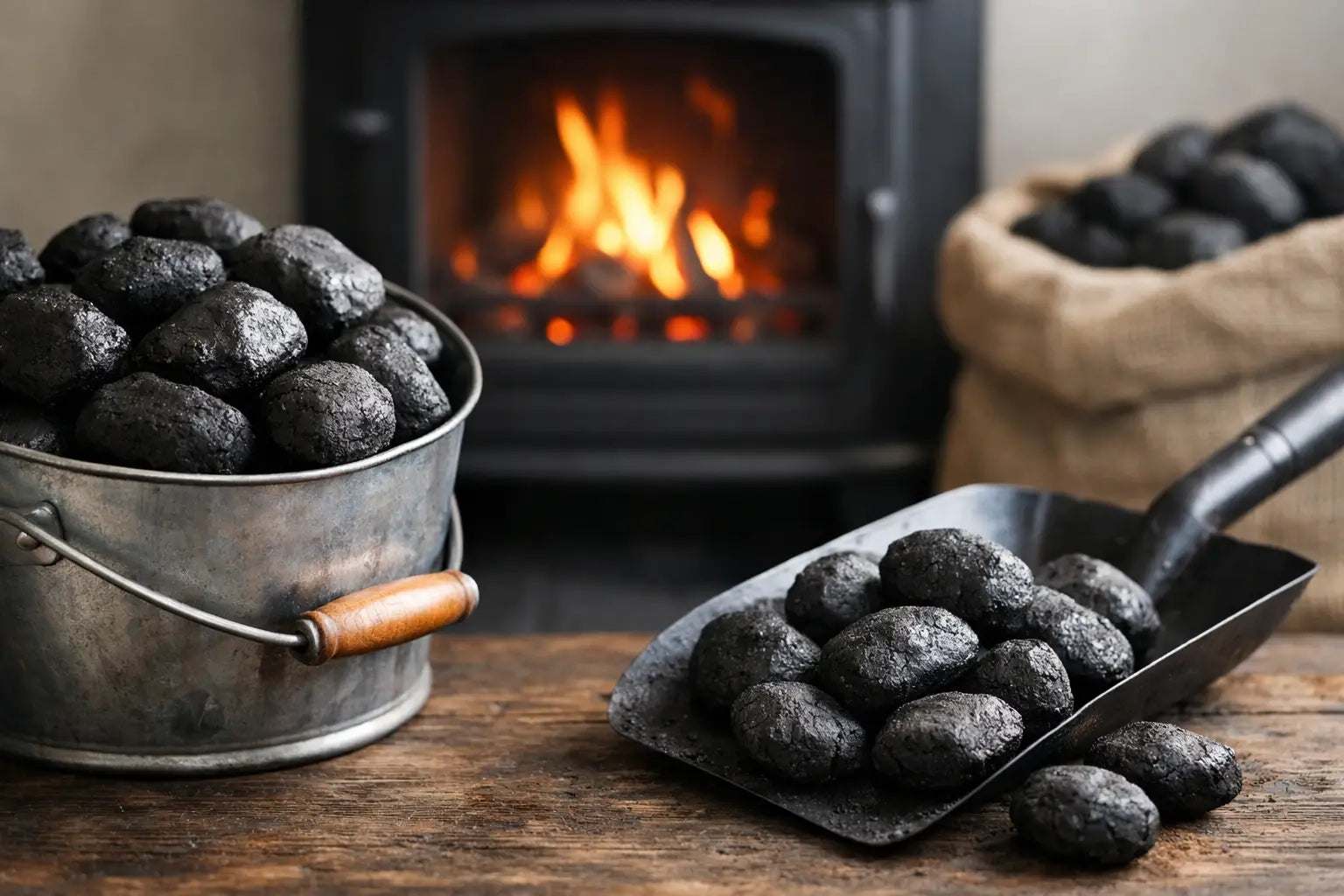
If you are searching for Oxbow Excel Premium Smokeless Fuel, the product name is commonly written as Oxbow Excel Premium Smokeless Fuel. It is a manufactured solid fuel designed for households that want dependable heat, a cleaner-looking fire and less smoke than traditional house coal. For a multi-fuel stove, open fire or suitable room heater, the attraction is straightforward: consistent briquettes are easier to store, easier to light with the right firebed and more predictable than buying fuel of uncertain quality.
That does not mean one fuel suits every appliance or every household. The best results depend on your stove, chimney condition, local smoke-control rules and how you manage the fire. Understanding those details helps you buy the right quantity and get proper value from each bag.
What is Oxbow Excel Premium Smokeless Fuel?
Oxbow Excel is a premium manufactured smokeless fuel. Rather than being a loose natural coal product, it is formed into uniform briquettes. This consistency matters in daily use because evenly sized pieces tend to create a more stable firebed and make it simpler to control the air supply.
Its purpose is long-lasting domestic heating with reduced visible smoke compared with ordinary house coal. It is commonly chosen for multi-fuel appliances and certain open fires, subject to the appliance manufacturer's instructions. The firm briquette format also makes handling tidier than many loose fuels, which is useful when you are carrying bags through the house or storing them near a back door, shed or garage.
“Smokeless” should not be taken to mean completely emission-free. Every solid fuel fire needs sufficient airflow, a sound flue and correct operation. Burning any fuel poorly can create smoke, soot and carbon monoxide risks. Use only a suitable appliance, follow its operating guidance and ensure that carbon monoxide alarms are fitted and tested as required.
Why households choose Oxbow Excel premium smokeless fuel
The main benefit is dependable heat over a longer burn. Because the briquettes are manufactured to a consistent shape and composition, many users find the fuel easier to manage than variable-grade coal. Once a good firebed is established, it can provide steady warmth without needing constant refuelling.
This makes it particularly practical for homeowners who use a solid-fuel stove as a regular heat source during colder months. A stable burn can help maintain room temperature through the evening, while overnight performance may be useful where the appliance is designed and operated for slumber burning.
There is also the practical issue of cleanliness. Premium smokeless fuels are generally selected by customers who want to reduce the heavy smoke and strong odour associated with traditional coal. They can leave a more manageable fuel area, although ash is still produced and the ash pan will need regular emptying.
For households in or near smoke control areas, compliance should be checked before ordering. Requirements can differ according to the fuel, the appliance and the location. Never assume that a fuel is permitted simply because it is described as smokeless. Check the current product packaging and local authority guidance, and make sure your appliance is suitable for use in your area.
Is it right for your stove or fire?
Start with the appliance manual. A multi-fuel stove is usually designed to burn approved solid fuels on a grate, allowing air to rise through the fuel from below. This differs from many wood-burning stoves, which are designed primarily for logs burning on a bed of ash with air supplied differently.
Using smokeless fuel in a stove intended only for wood can damage internal parts, affect the warranty and lead to poor combustion. Grates, firebricks and baffle plates can all be affected by excessive heat or an unsuitable fuel. If the manual is unavailable, identify the model and consult the manufacturer or a qualified stove professional before making a purchase.
Open fires can also be suitable for certain smokeless fuels, but they are less efficient than a closed stove. A large proportion of the heat from an open fire goes up the chimney. If your priority is reducing fuel use, a properly maintained stove will normally give better control and more useful room heat.
Oxbow Excel may be a sensible choice if you have a compatible appliance, want a sustained fire and prefer manufactured briquettes to traditional coal. It may not be the best choice if your appliance is log-only, if you want the visual character and fast flame of kiln-dried logs, or if you need a fuel specifically approved for a particular local restriction.
Getting a clean, steady burn
Good results begin before the first match is struck. Remove excess ash from the appliance while leaving the amount recommended by its manufacturer. Check that the grate is clear, the air controls move freely and the flue is drawing properly. A chimney that has not been swept can restrict airflow and increase the risk of fumes entering the room.
Build the fire gradually. Use an appropriate firelighter and kindling or an established ember bed, then add a modest amount of smokeless fuel. Avoid filling the firebox to the top from cold. A smaller initial charge allows the appliance and flue to warm up, creating the draw needed for clean combustion.
Once the briquettes are burning well, adjust the air controls in line with the stove instructions. Closing the air supply too far is a common mistake. It may appear to make fuel last longer, but it can cause incomplete combustion, darken the glass, create deposits in the flue and reduce useful heat. A bright, controlled fire is usually more efficient than a smouldering one.
Refuel little and often when practical rather than adding a large cold load. This helps preserve the firebed and gives you more control over room temperature. If the stove begins to overfire, do not throw water onto the fuel. Follow the appliance manufacturer's safety procedure and seek professional advice if overheating is a recurring problem.
Storage and buying the right amount
Smokeless fuel should be kept dry. Store unopened bags under cover, raised off a wet floor where possible, and away from direct rain. A dry shed, garage or purpose-built fuel store is ideal. Keep fuel away from naked flames and do not block access routes or ventilation points with stacked bags.
The right order size depends on how often you use the appliance. A household lighting a stove only at weekends may prefer smaller quantities that are easy to move and store. Regular users can often make better value from a larger delivery, provided they have a dry, accessible storage area. Consider the carrying distance too: a fuel delivery placed at the kerbside still needs moving safely to its final storage position.
When comparing prices, look beyond the price per bag. Check the bag weight, number of bags, delivery arrangement and whether the fuel format matches your intended use. A lower headline price is not always better value if the product is unsuitable for your stove or if the quantity is inconvenient to store.
Candowe supplies solid-fuel heating products alongside kiln-dried firewood, helping households choose fuel around their appliance and heating routine rather than relying on a one-size-fits-all option.
Smokeless fuel, logs and briquettes: choosing by use
Kiln-dried logs and smokeless fuel solve different heating needs. Ready to Burn logs are often preferred for their natural flame, quick response and suitability for wood-burning stoves. They work well for an evening fire where atmosphere and flame picture matter as much as heat.
Smokeless fuel is often chosen where a longer, steadier burn is the priority, particularly in a compatible multi-fuel stove. It can be useful for maintaining heat after a log fire has established the room temperature. Some households use both, but only where their appliance is expressly approved for both fuel types.
Wood briquettes occupy a middle ground. They are compact, dry and convenient, but their burn characteristics differ from both logs and smokeless fuel. Never mix fuels casually in the same appliance unless the manufacturer confirms that this is safe and suitable. Each fuel needs the right air settings and firebed to perform properly.
A few checks before you order
Before stocking up, confirm that your appliance accepts manufactured smokeless fuel and that its grate is in good condition. Check your local requirements if you live in a smoke control area, and make sure your chimney has been swept by a competent professional at the recommended interval. Finally, confirm that you have a working carbon monoxide alarm in the room.
A suitable fuel, stored dry and burned with enough air, makes cold-weather heating far more straightforward. Choose Oxbow Excel Premium Smokeless Fuel for the job it is designed to do, and your stove can provide reliable warmth without unnecessary mess, waste or uncertainty.