Skip to content
Kiln Dried Mixed Hardwood Logs Explained
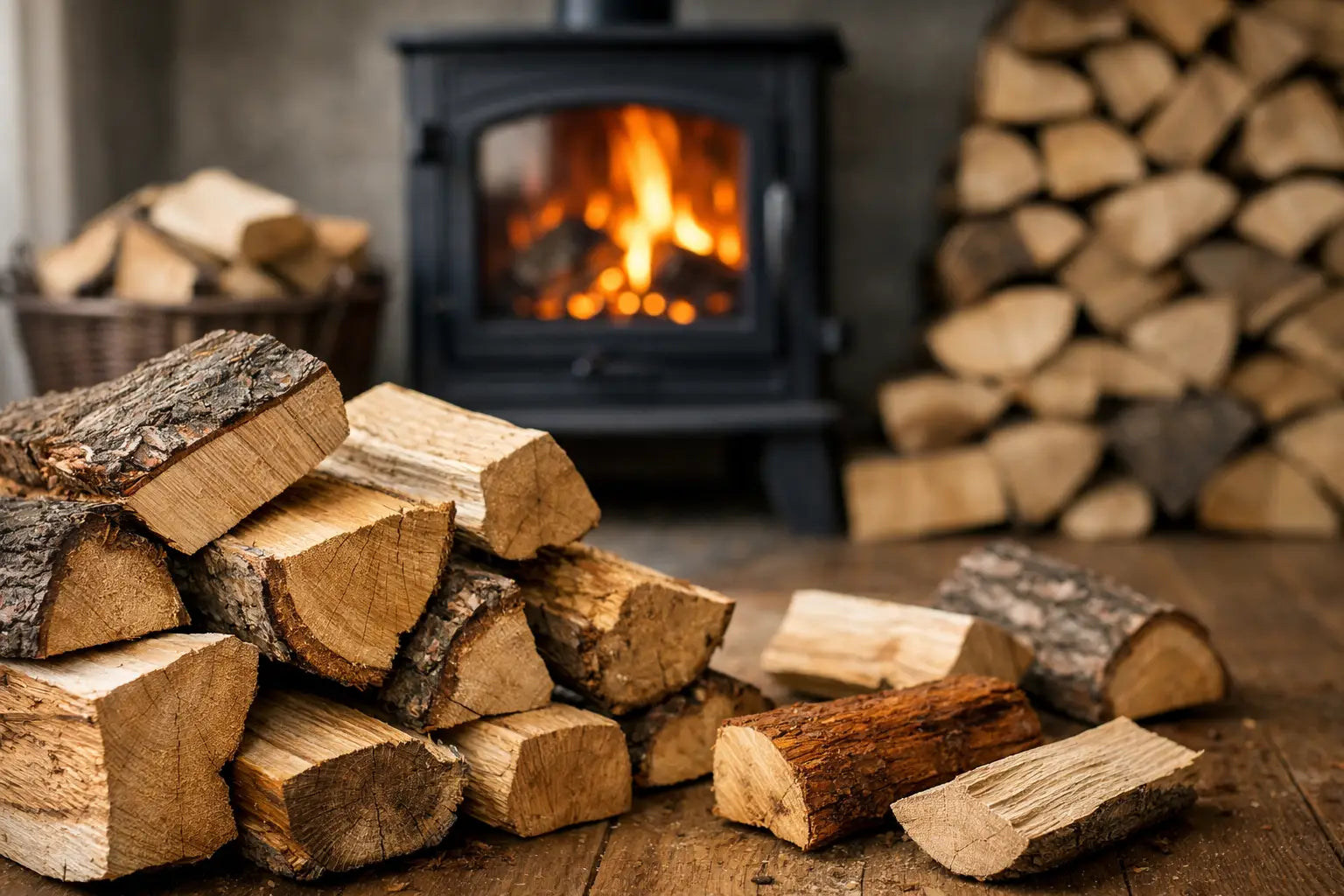
A load of firewood should not leave you guessing whether it will light, smoke or heat the room properly. Kiln-dried mixed hardwood logs offer a practical answer: a varied selection of dense hardwoods that has been dried to a low moisture content before delivery, so it is ready to burn rather than needing months of seasoning at home.
For households using a stove, open fire or wood burner regularly, the appeal is simple. Properly dried logs light more easily, produce less visible smoke and give more usable heat than wet or poorly stored wood. A mixed hardwood load also gives you useful variety, provided you know what is in it and how to get the best from each log.
What are kiln dried mixed hardwood logs?
Mixed hardwood logs are made up of more than one broadleaf species. Depending on the supplier and seasonal availability, a load may include birch, ash, alder, oak or hornbeam. These species do not burn in exactly the same way, but they share the qualities most people want from firewood: good density, steady heat and an attractive flame when properly dried.
Kiln drying is the process of reducing the wood's moisture content in a controlled drying chamber. This is much faster and more consistent than leaving freshly cut logs to season outdoors. The aim is wood with a moisture content below 20%, which is the recognised standard for clean-burning domestic firewood.
In England, firewood sold in volumes below two cubic metres for use in a domestic stove or fireplace must meet the Ready to Burn moisture requirement. If this certification matters to you, check that the product is specifically labelled Ready to Burn rather than assuming every mixed load meets the standard. Clear product information is a useful sign that you are buying fuel prepared for immediate use.
Why a mixed hardwood load makes sense
A single species can be a good choice when you know exactly how you like to run your stove. Ash is valued for its easy lighting and reliable flame, while oak and hornbeam are denser woods that can provide a longer, slower burn once the fire is established. Birch catches readily and gives a bright, lively flame. Alder is lighter but still burns cleanly when dry.
A mixed load brings those characteristics together. The lighter, quicker-lighting pieces can help build a fire, while denser logs can be added later to maintain heat. This makes mixed hardwood particularly useful for everyday heating, where ease of use matters as much as burn duration.
There is a trade-off. A mixed load will not give the exact same burn pattern every time, because log size and species naturally vary. That is not a fault in the fuel. It simply means it is worth sorting the load a little as you stack it, keeping smaller and lighter pieces accessible for lighting and reserving larger, denser logs for a settled fire.
The difference moisture content makes
Wet wood wastes energy. Before a damp log can burn efficiently, the fire has to heat and evaporate the water inside it. That creates more smoke, cooler combustion and less heat entering the room. It can also contribute to soot and tar deposits in the flue.
Dry hardwood behaves differently. It ignites with less effort, burns with a cleaner flame and allows your appliance to reach an efficient operating temperature sooner. You are also less likely to find yourself adding excessive logs just to keep the fire going.
Moisture content is therefore more useful than a vague description such as "seasoned". Seasoned logs can be excellent, but drying time depends on species, splitting, airflow and weather. Kiln-dried logs give buyers greater certainty because the drying process is managed before the fuel reaches their property.
If you own a moisture meter, split a log and test the freshly exposed inner face rather than the outside. Surface readings can be misleading, particularly after the logs have been stored in a shed or brought indoors.
Choosing the right quantity and format
The best quantity depends on how often you use your appliance, your available storage and whether wood is your main source of heat or an occasional comfort. Small packs are convenient for trying a product or topping up a log store. Nets and bags are easy to carry and keep tidy. Crates and palletised options generally suit regular stove users and bulk buyers looking for better value per cubic metre.
When comparing products, focus on volume rather than just the number of bags. Bag sizes can vary considerably, and a low headline price is not always the best value. Transparent information on loose volume, crate dimensions and price per cubic metre makes it easier to compare like for like.
Log length matters too. Check your stove manufacturer's recommended maximum log length, allowing enough space for air to circulate around the fuel. Oversized logs can make loading awkward and encourage poor combustion. Consistent, stove-friendly lengths are often more useful than a few very large pieces, even if the overall volume looks generous.
For a home that relies on wood through winter, it is sensible to order before the coldest weather arrives. This gives you time to stack the delivery properly and avoids having to buy smaller, more expensive top-up packs when demand is highest. Candowe supplies kiln-dried fuel in a range of practical formats, with clear volume details to help households plan their stock with confidence.
How to store kiln dried logs without undoing the drying
Buying dry logs is only half the job. Poor storage can allow them to absorb moisture again, especially during a British winter. Keep the stack outdoors or in a well-ventilated log store, protected from rain but open enough for air to move through it.
Avoid placing logs directly on soil, paving that holds water or against a damp external wall. Raising the stack on a pallet, rack or battens helps prevent moisture rising from below. Cover the top of the stack, not the sides, so trapped humidity can escape.
Bringing a small basket indoors for the next day or two is useful, particularly in cold weather. There is no need to fill the living room with weeks of fuel, though. Long-term indoor storage can be messy, take up valuable space and is unnecessary when the main stack is dry and well protected.
Getting a cleaner, more efficient fire
Even excellent firewood performs poorly if the stove is starved of air or loaded onto a weak fire. Start with dry kindling and smaller split logs, using an appropriate firelighter if required. Build enough flame and heat before adding larger hardwood pieces.
A top-down fire can work particularly well in many modern stoves. Place the larger logs at the bottom, then add smaller splits, kindling and a firelighter above. The fire burns down through the fuel, helping the appliance warm up cleanly with less smoke than repeatedly lighting from below.
Once the fire is established, follow the air-control guidance for your specific appliance. Closing the vents too early may make the wood smoulder rather than burn. A bright, active flame is generally a better sign than dark smoke from the chimney or blackened glass building up quickly.
Never burn treated timber, painted wood, old fencing, chipboard or household waste. These materials can release harmful pollutants and damage a stove or chimney. Keep your chimney swept at intervals recommended for your appliance and level of use, and make sure you have a working carbon monoxide alarm in the room.
Is mixed hardwood right for every stove user?
For most households, yes. Kiln-dried mixed hardwood is a dependable all-round choice for evening fires, regular stove use and supplementary home heating. It is especially useful if you want a balance of easy lighting and sustained warmth without having to buy several separate species.
A single-species product may suit you better if you have a particular preference. For example, someone who wants the longest possible burn from a well-established stove may favour a denser hardwood selection. Equally, a customer who values quick lighting for shorter fires may choose a lighter species. The appliance, room size, storage space and your usual firing routine all affect the best option.
The key is to buy logs that are genuinely dry, clearly described and appropriately sized for your stove. Stack them well, start fires with enough heat and airflow, and use the natural variety in a mixed load to your advantage. That approach keeps the practical benefits of kiln-dried firewood where they belong: in the warmth of the room, not lost up the flue.