Skip to content
Kiln Dried Birch Firewood for Reliable Heat
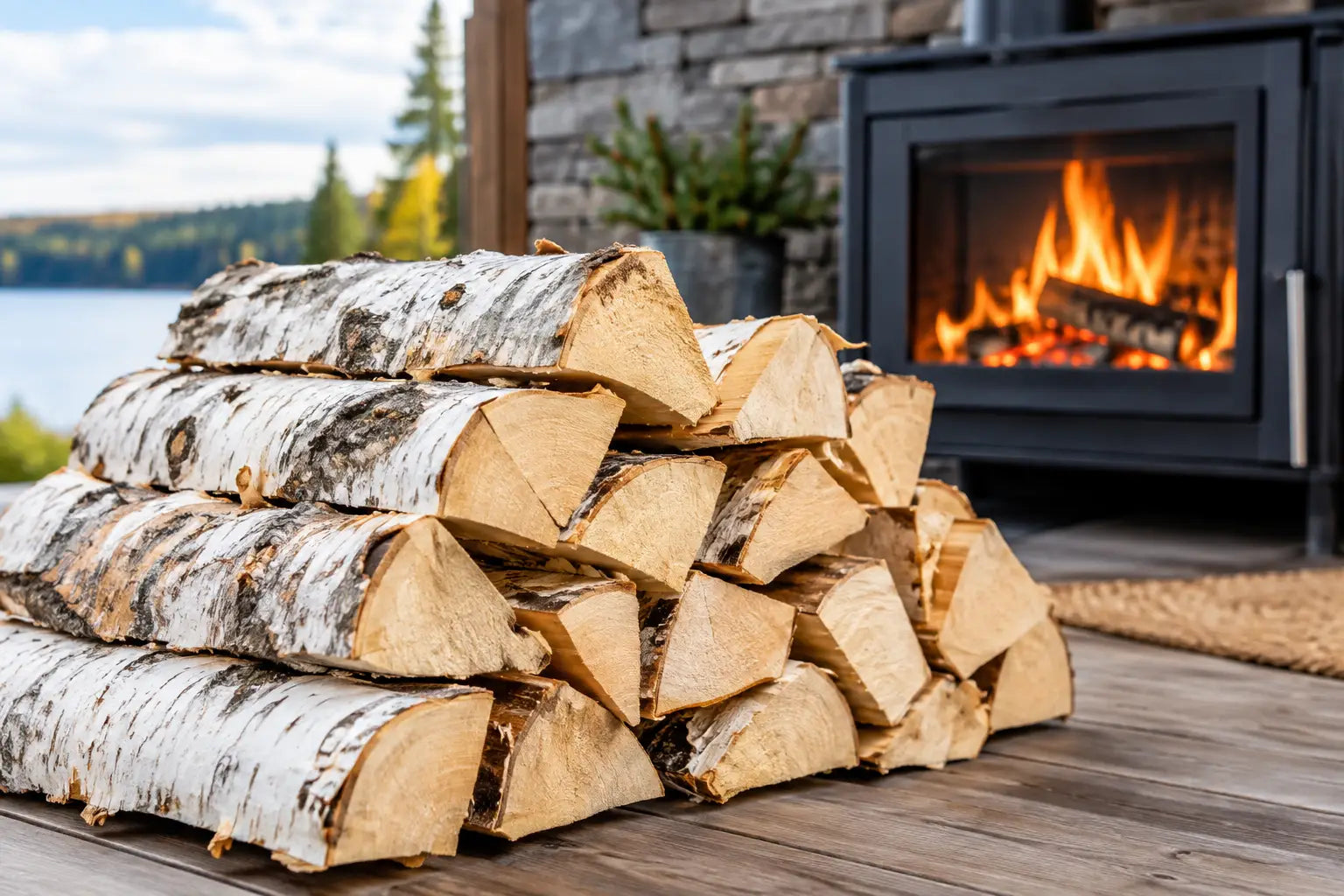
A fire that takes several attempts to light, sends smoke into the room or blacks the stove glass is usually not a stove problem. It is often a fuel problem. Kiln dried birch firewood is made for households that want logs to arrive ready to burn, with dependable moisture levels and far less guesswork than unseasoned wood.
Birch is a familiar, practical choice for log burners and open fires across the UK. It lights readily, produces a bright flame and gives useful heat without the long wait associated with drying freshly cut logs at home. When it has been properly kiln dried and stored correctly, it makes everyday fire lighting simpler, cleaner and more predictable.
What makes kiln dried birch firewood different?
Freshly felled wood contains a high proportion of water. Before it can burn efficiently, that water must be driven off. If it is not, much of the fire's energy is spent evaporating moisture rather than warming your room. The result can be hissing logs, weak flames, excess smoke and a greater build-up of soot in the appliance and flue.
Kiln drying uses controlled heat and airflow to reduce the moisture content of logs to below 20%. This is the standard associated with Ready to Burn firewood for domestic use in England, and it gives buyers a clear benchmark when choosing fuel. Dry logs ignite more easily, burn with less visible smoke and provide more usable heat from each load.
Natural seasoning can also reduce moisture, but it depends on the wood being split, stacked, covered and ventilated for long enough. In the British climate, that can take a year or more and still produce uneven results. Kiln-dried logs remove that uncertainty. They are a convenient option when you need a supply that can go straight into the log store and then into the stove.
Why choose birch for a stove or fireplace?
Birch is valued for its quick lighting and lively flame. It is generally easier to get going than denser hardwoods, which makes it particularly useful for starting a fire on a cold evening or when you want the room warmed promptly. Its pale bark also makes it easy to recognise among mixed logs, although bark alone should never be treated as proof that wood is dry.
The trade-off is burn duration. Birch is a hardwood, but it is usually less dense than oak, hornbeam or ash. A birch fire can give a responsive, attractive flame, while denser species may hold a bed of embers for longer. For many households, the best approach is not to treat one species as universally best. Birch is excellent for lighting and active evening fires; a denser log can be useful later when a slower, longer burn is preferred.
Log size matters too. Smaller split birch logs catch quickly and suit compact stoves, while larger pieces may be better for bigger appliances and a slower burn. Check your stove manufacturer's recommended log length before ordering. A log that is too large for the firebox is inconvenient, regardless of how dry or well sourced it is.
A good choice when ease matters
Birch is particularly suited to people who want a straightforward fuel routine. Use a suitable firelighter, dry kindling and a few smaller birch logs to establish the fire. Once there is a hot bed of embers, add larger logs without overfilling the stove. Good airflow at the start helps the fire reach operating temperature promptly, reducing the temptation to burn it slowly while it is still struggling to ignite.
For open fires, birch offers the same lighting benefit, but an open grate will always send more heat up the chimney than a modern closed stove. If heating efficiency is the priority, the appliance itself makes a major difference.
What to look for when buying kiln dried birch firewood
Moisture content should be the first check. Choose logs clearly sold as below 20% moisture and, where applicable, carrying Ready to Burn certification. This provides reassurance that the wood meets the expected standard for clean domestic burning rather than simply being described as “seasoned” or “dry”.
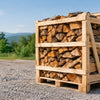
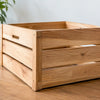
After that, compare the amount of wood you are actually receiving. Bags can look similar while containing very different volumes. Net bags, fire-box packs and plastic bags are useful for smaller orders, top-ups and easy carrying. Crates and palletised formats are often better value for regular stove users, provided you have suitable access and somewhere dry to store the load.
Transparent volume information is more useful than a headline bag count. When comparing suppliers, look for loose volume, crate dimensions or price per cubic metre where available. This helps you assess the true cost of a winter's fuel and avoids assuming that a large-looking package contains more logs than it does.
Quality control also matters. A reliable supplier should provide consistently split logs in a practical size range, clear information about moisture content and straightforward delivery expectations. Candowe supplies premium kiln-dried logs in several formats, helping households choose between convenient smaller packs and larger quantities for regular use.
Store dry logs properly after delivery
Kiln drying gives birch the right start, but poor storage can undo that work. Wood left uncovered in persistent rain will absorb surface moisture, while logs stored in an airtight shed can struggle to stay fresh because moisture cannot escape.
A dedicated log store is ideal. Keep the wood raised off the ground, protect the top from rain and leave the sides open enough for air to move through the stack. Position it where it is accessible in wet weather, rather than at the far end of the garden when you need an armful after dark.
If you keep logs indoors, bring in only a small working supply. A basket or log holder near the stove is convenient, but a large pile of wood inside can introduce dust, loose bark and occasional insects. Store the main quantity outside under cover, then rotate smaller batches indoors as needed.
Avoid wrapping logs tightly in plastic once they are delivered. Plastic can trap condensation, especially when temperatures change. If your logs arrive in packaging, open it as appropriate and follow any storage guidance provided with the product.
Getting the cleanest burn from birch logs
Dry fuel performs best when paired with sensible stove operation. Start with clean air vents and a clear flue, then use dry kindling to build a hot initial fire. Do not shut the air supply down too early. A smoky, smouldering fire is less efficient and is more likely to leave deposits on the glass and inside the flue.
Once the fire is established, add logs gradually. Overloading the firebox can restrict airflow and lead to incomplete combustion. Use the controls recommended by your appliance manufacturer, as every stove responds differently depending on its design, output and installation.
Have your chimney or flue swept at the appropriate intervals by a qualified professional. Even properly dried wood produces ash and combustion residues. Regular sweeping supports safe operation and helps maintain good draught.
Never burn treated timber, painted wood, MDF, chipboard or household rubbish. These materials can release harmful fumes and create damaging deposits. Keep kiln-dried birch for the stove, and use authorised waste routes for everything else.
Is birch the right firewood for every household?
For many homes, yes. Kiln-dried birch is an excellent all-round option when fast lighting, a bright flame and clean, reliable performance are the priorities. It suits occasional fireplace use as well as regular stove owners who prefer not to season wood themselves.
However, buying decisions should reflect how you use your appliance. If you run a large stove for extended periods, you may want to combine birch with denser species for longer-lasting loads. If access is limited, smaller packs may be more practical than a bulk crate. If you burn only at weekends, a modest supply stored well may offer better value than ordering more than you can protect from the weather.
The best firewood is not simply the cheapest bag or the heaviest log. It is dry, responsibly sourced, correctly sized for your appliance and delivered in a quantity you can store properly. With kiln-dried birch, a well-prepared fire becomes one less household job to second-guess on a cold evening.