Skip to content
Kiln Dried Ash Logs: Are They Worth It?
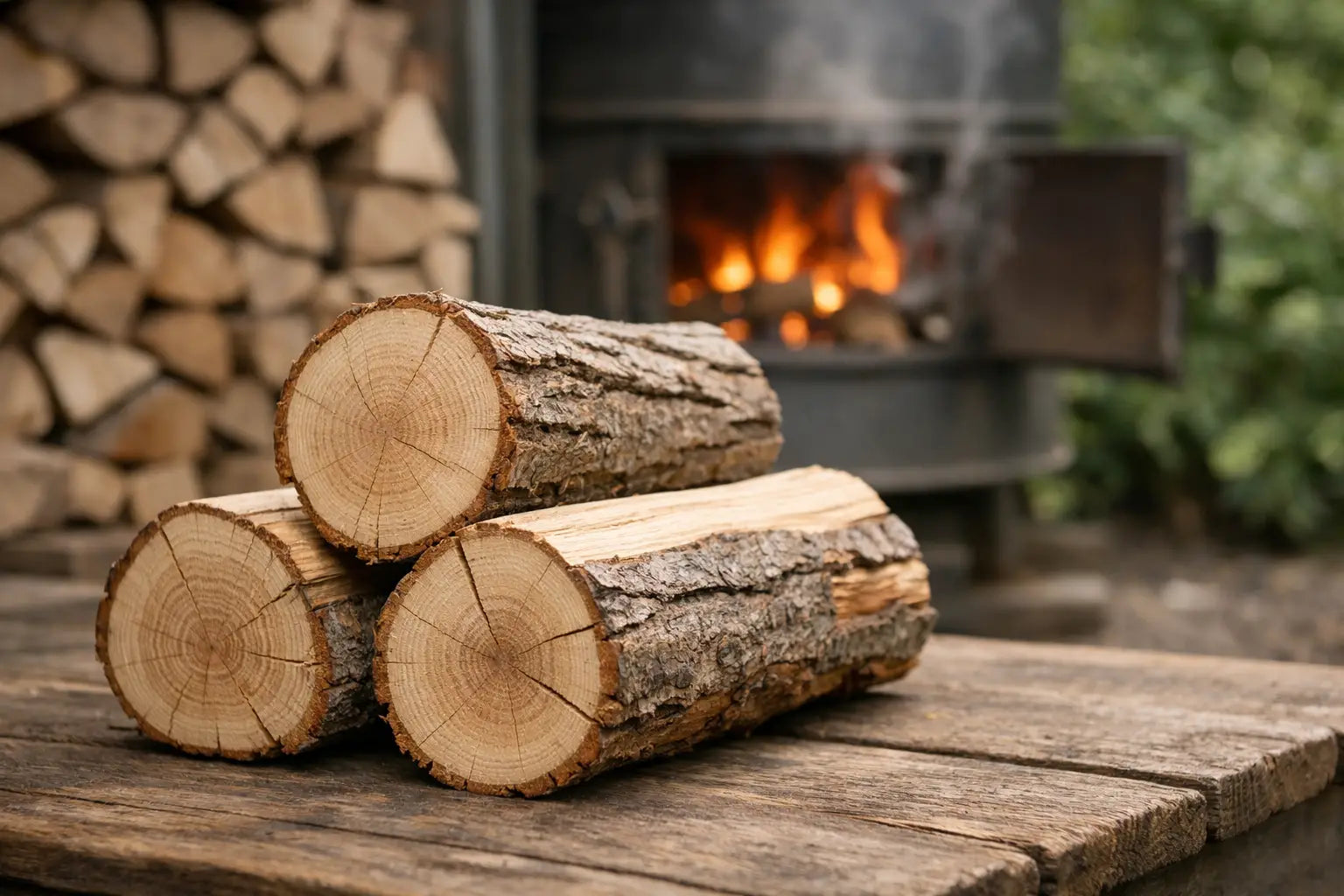
If you have ever bought a load of firewood that hissed, smoked and left your stove glass filthy by the end of the evening, you already know why kiln-dried ash logs matter. Good firewood should arrive ready to burn, light without fuss and give steady heat without wasting energy boiling off excess moisture first.
Ash has long had a strong reputation as a dependable firewood in the UK, and for good reason. It is a dense hardwood that burns well, produces a solid heat output and is generally easier to handle than some heavier alternatives. When it has been kiln-dried to below 20% moisture content, it becomes a far more predictable fuel for wood-burning stoves, open fires and other domestic solid-fuel appliances.
What makes kiln-dried ash logs different?
The key difference is moisture. Freshly cut or poorly stored logs can hold a surprising amount of water, and that water has to be burned off before you get useful heat into the room. That is why wet or under-seasoned logs often struggle to light, create more smoke and leave behind more soot and tar deposits.
Kiln-dried ash logs are dried in a controlled process that brings moisture content down to a level suitable for efficient burning. For household buyers, that means fewer unknowns. You are not paying for water weight, and you are not left stacking logs for months hoping they will season properly before cold weather arrives.
This matters even more if you use your stove regularly. A cleaner, drier fuel helps combustion, supports better appliance performance and usually makes day-to-day fire management much easier. You spend less time coaxing a reluctant fire and more time getting usable heat when you need it.
Why ash is such a popular firewood choice
Ash sits in a useful middle ground for many households. It is a hardwood, so it offers a slower and hotter burn than softer woods, but it is often easier to light and manage than some very dense species. That balance makes it a practical option if you want strong heat output without constantly adjusting the fire.
Another advantage is consistency. Good ash logs tend to split well, stack neatly and burn with a reliable flame pattern once established. For stove owners, that can make refuelling simpler and reduce the stop-start frustration that comes with lower-grade firewood.
That said, no single species is perfect for every use. If your priority is the longest possible burn overnight, some denser hardwoods may hold on slightly longer. If your priority is very quick ignition, you will still want dry kindling and proper firelighters to get things going cleanly. Ash performs well across the board, which is exactly why so many households rate it.
Kiln-dried ash logs in stoves and open fires
In a modern wood-burning stove, kiln-dried ash logs are usually an excellent fit. Low-moisture fuel helps the appliance run more efficiently, and ash gives a steady, useful heat that suits regular evening heating or all-day use in colder spells. Because the fuel is dry, it also supports cleaner combustion than wetter alternatives.
Open fires are a little different. They are naturally less efficient than enclosed stoves, so fuel quality becomes even more important if you want decent heat rather than most of it disappearing up the chimney. Ash can work very well here too, especially when the logs are properly dried and sensibly sized for the grate.
Log size does matter. Oversized logs can be awkward in smaller stoves, while very small pieces may burn too quickly. Buyers are usually better served by choosing a supplier that gives clear information on product format and intended use, rather than treating all firewood as interchangeable.
The real benefits households notice
Most people do not buy premium firewood because of the theory. They buy it because they are tired of poor results. The practical difference with kiln-dried ash logs is usually visible from the first burn.
Lighting is easier, especially when paired with dry kindling. The fire gets established faster, the flame is more stable and the heat arrives sooner. That is useful whether you are heating one room in the evening or relying on a stove more heavily through winter.
Cleanliness is another major benefit. Drier logs generally mean less smoke, less residue and less mess around the appliance. You may still need regular chimney sweeping and routine stove maintenance, but using appropriate low-moisture fuel helps reduce the avoidable build-up caused by wetter wood.
There is also the value question. Kiln-dried logs can cost more upfront than unverified firewood from informal local sources. But cheaper wood is not necessarily better value if it burns poorly, needs extra storage time or leaves you using more fuel to get the same warmth. Transparent volumetric pricing and clear moisture standards make comparisons far fairer.
What to look for when buying kiln-dried ash logs
Not all firewood sold as dry is equally reliable. If you want consistent performance, focus on a few basics.
Moisture content should be below 20%, and ideally supported by Ready to Burn certification. That gives buyers confidence that the logs are suitable for immediate use and compliant with current regulations for domestic burning.
Packaging format matters too. Crates, net bags, plastic bags and compact fire-box packs each suit different households. A larger crate often works well for regular stove users who want stronger value per cubic metre, while smaller packs are useful where storage space is limited or access is awkward.
It is also worth checking species clarity. Mixed loads can be perfectly serviceable, but if you specifically want ash for its burn characteristics, the listing should say so plainly. Reliable suppliers make it easy to compare volume, weight, moisture standard and delivery terms rather than leaving customers to guess.
Storage still matters after delivery
Even the best kiln-dried ash logs can lose their advantage if they are stored badly. Once delivered, they should be kept in a dry, ventilated place off the ground where possible. A proper log store, garage or covered outdoor area usually works well, provided air can still circulate.
What you want to avoid is trapping moisture back into the wood. Wrapping logs too tightly in plastic or leaving them exposed to persistent rain can undo some of the benefit you paid for. If you buy in bulk before winter, a little attention to storage can preserve burn quality for months.
For many buyers, convenience is part of the value. Ordering fuel that arrives dry and ready to stack is far easier than chasing uncertain local supply or trying to season wet logs yourself. That is one reason dependable nationwide suppliers have become a more practical option for both households and small business users.
Are kiln-dried ash logs always the best choice?
Not always. It depends on your appliance, how often you burn, your storage space and what you want from the fire. Ash is a strong all-rounder, but some customers may prefer birch for faster lighting or denser hardwoods for a slightly longer-lasting burn.
Price sensitivity matters too. If you only use your fireplace occasionally, the cheapest suitable dry pack may do the job perfectly well. If you heat with wood several times a week, paying for consistent quality often makes more sense because poor fuel becomes a recurring problem, not a one-off inconvenience.
For many UK households, though, ash is a safe choice. It is efficient, dependable and easy to live with. Bought from a supplier that offers certified low-moisture fuel, clear product information and reliable delivery, it takes a lot of guesswork out of heating.
Candowe focuses on exactly that kind of practical certainty - premium kiln-dried fuel, clear pricing and delivery that fits real household needs. When your logs arrive ready to burn and perform as expected, heating with wood becomes simpler, cleaner and far less frustrating.
If you want firewood that earns its place in the shed, kiln-dried ash logs are hard to fault. They give you fewer surprises, better combustion and a more reliable fire on the nights you need it most.