Skip to content
Oak Logs Heat Output Explained

Anyone who has ever loaded a stove with oak and watched it settle into a steady, slow burn will know that not all firewood behaves the same. The heat output of oak logs is one of the main reasons people choose it for home heating, but the real answer is not simply that oak burns hotter. It depends on moisture content, log size, airflow and how you use your stove.
For UK households buying firewood to heat living spaces efficiently, oak has a strong reputation for a reason. It is a dense hardwood, which means it stores a lot of energy in a relatively compact log. When properly dried, it can produce a long-lasting fire with dependable heat. That makes it especially useful for evening heating, overnight burn cycles where appropriate for the appliance, and anyone who wants fewer refills compared with lighter species.
What affects oak logs' heat output?
The first thing to understand is that heat output is never just about wood species. Oak starts with a natural advantage because of its density, but usable heat depends heavily on how dry the logs are. Wet or poorly seasoned oak can be frustrating. A good portion of the fire's energy gets wasted driving off moisture before the wood burns properly, which means less heat into the room and more smoke in the flue.
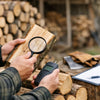
This is why kiln-dried oak with a moisture content below 20% matters. Dry logs ignite more reliably, burn more cleanly and deliver more of their stored energy as usable heat. In practical terms, a dry oak log will outperform a damp one even if both are cut from the same tree. The difference shows up quickly in stove temperature, glass cleanliness and the amount of ash and residue left behind.
Log dimensions also play a part. Smaller split pieces catch more quickly and can raise temperature faster, while larger chunks tend to burn longer and more slowly. Neither is automatically better. If you want a fast boost of warmth on a cold afternoon, smaller pieces may suit you. If your aim is a steady evening fire without constant topping up, larger kiln-dried oak logs often make more sense.
Your appliance matters just as much. A modern wood-burning stove with good airflow control and decent efficiency will get far more from oak than an open fire. Open fires lose a large share of heat up the chimney, so even good-quality logs cannot compensate fully for the appliance itself.
How oak compares with other firewood
Oak is commonly grouped with other dense hardwoods such as ash and hornbeam, and that is broadly fair. It offers strong energy content and a slower burn than lighter woods like alder or birch. That slower burn is often what people actually notice first. Rather than a quick burst and rapid drop-off, oak tends to hold a steady bed of embers and release heat over a longer period.
That said, longer burn does not always mean noticeably hotter flames. Some lighter woods can produce a lively, fast flame that feels intense at first, while oak may build more gradually. For many stove users, the practical benefit of oak is not dramatic flames but consistency. You load the appliance, let it establish properly, and get a controlled, even heat.
This is where buying habits come into play. If you only use your stove occasionally and want easy lighting and fast response, birch may feel simpler to live with. If you heat regularly and value burn time, oak becomes more attractive. Many households find that a mix works best - a quicker-lighting hardwood to start the fire, followed by oak to maintain it.
Is oak the hottest burning log?
This question comes up a lot, but it needs a careful answer. Oak is among the better-performing firewoods for domestic heating because it is dense and energy-rich, especially when kiln-dried. But there is no single winner in every situation because the useful heat you feel in the room depends on burn efficiency, appliance design and fuel condition.
If two logs have the same low moisture content and are burned in the same efficient stove, denser hardwoods usually deliver more energy per log than lighter species. That gives oak a clear advantage for sustained heating. However, if oak is not dry enough, or if the stove is being run with poor airflow, that advantage can shrink quickly.
So the better way to look at it is this: oak is one of the strongest choices for reliable, high-value heat output when it is properly dried and properly burned. That is more useful than chasing the idea of a single hottest log.
Oak logs' heat output in real household use
For most households, the practical question is not laboratory heat values but how the fuel behaves over an evening. Oak generally suits people who want fewer interruptions and a more stable room temperature. Once the fire is established, it can maintain a good heat bed with less frequent loading than softer or lighter woods.
That helps with fuel planning too. Denser logs often represent better value over time because they last longer in use. The initial price per crate or bag is only part of the picture. Burn duration, cleanliness and ease of storage all affect overall value. If you are using your stove several times a week through autumn and winter, consistency becomes just as important as headline cost.
There is also a cleanliness benefit when the oak is properly dried. Better combustion means less smoke, less tar build-up and generally less mess around the appliance. That does not remove the need for regular stove and chimney maintenance, but it supports cleaner operation.
Why kiln-dried oak makes such a difference
Oak has long been valued as firewood, but it is also a species that can be slow to season naturally. If drying is rushed or inconsistent, the result can be logs that look ready but still hold too much internal moisture. That is where kiln drying gives buyers more certainty.
Kiln-dried oak arrives ready to burn, rather than asking you to store and season it for months in the hope that conditions stay favourable. For busy households, that matters. You can order with confidence, stack the logs correctly and use them straight away. It takes much of the guesswork out of home heating.
From a performance point of view, the benefit is simple. Lower moisture means better ignition, stronger combustion and more dependable heat output. It also means the stove reaches operating temperature more efficiently, which helps reduce smoky, sluggish starts. For anyone comparing firewood options, moisture content is not a minor detail. It is central to performance.
Getting the best heat from oak logs
Good fuel still needs good burning practice. Start with suitable kindling and enough airflow to establish a lively flame. Oak is not the wood to smoulder reluctantly from a weak start. Once the firebox is hot and the flue is drawing properly, oak begins to show its strengths.
Avoid overloading the stove with oversized logs and restricting air too early. That often leads to incomplete combustion and disappointing heat. It is better to build the fire properly, then use the appliance controls as intended by the manufacturer to maintain an efficient burn.
Storage also matters after delivery. Even kiln-dried logs should be kept in a dry, ventilated place off the ground where possible. If they are left exposed to driving rain or trapped in damp conditions, performance will suffer. Ready to Burn fuel gives you a strong starting point, but sensible storage protects that quality.
When oak is the right choice - and when it may not be
Oak is an excellent all-round heating log for many homes, particularly where the stove is used regularly and buyers want longer-lasting fuel. It suits customers looking for efficient, clean-burning hardwood with dependable performance and good value over time.
Still, there are situations where another species may fit better. If rapid ignition is your top priority, or you mainly light short fires for atmosphere rather than sustained heating, lighter hardwoods can be more convenient. If your stove is small, very large dense logs may need more thought around sizing and loading. The best firewood is not just high-performing on paper. It is the fuel that matches how you actually heat your home.
That is why experienced suppliers focus on quality, moisture control and clear product information rather than broad claims. Candowe supplies kiln-dried hardwood logs designed to burn cleanly and efficiently, helping households choose fuel with fewer surprises and better results.
If you want oak to earn its place in your log store, buy it dry, burn it properly and judge it by steady warmth rather than dramatic flames. In everyday home heating, that kind of reliability is what really counts.