Skip to content
Firewood Delivered to Home - What to Check

A cold evening is the wrong time to find out your logs are too wet, burn badly and leave more mess than heat. If you are ordering firewood delivered to your home, the real question is not simply how quickly it arrives. It is whether it turns up dry, properly packed, fairly priced and ready to burn from day one.
For many UK households, that is the difference between a stove that lights easily and one that smokes, struggles and wastes fuel. Buying online has made stocking up far easier, but it has also made product comparison more important. Not all firewood is prepared to the same standard, and not every delivery offer represents good value once moisture, pack size and burn performance are taken into account.
Why firewood delivered to your home suits modern heating needs
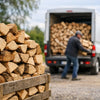
Home delivery solves a practical problem first. Most people do not want the hassle of collecting bulky logs, loading the car, unloading again and then discovering the wood needs further drying. For households that rely on a log burner or open fire through autumn and winter, regular supply matters just as much as convenience.
There is also the issue of consistency. A dependable online supplier gives you clear product information, set quantities and scheduled fulfilment. That matters when you are planning household heating costs, topping up before a cold spell or ordering larger volumes to avoid repeated trips and uncertain local availability.
For rural homes, suburban properties and small commercial settings alike, delivery can also make storage planning easier. You can choose formats that suit the space you actually have, whether that is a shed, garage, log store or side access area. Buying in the right format often prevents waste and keeps the fuel in better condition after arrival.
What to look for when buying firewood delivered to your home
The first check should always be moisture content. Logs with moisture below 20% are suitable for efficient burning and are far easier to light than unseasoned or poorly stored wood. They produce more usable heat, create less smoke and are kinder to stoves and flue systems over time. If the listing does not clearly state moisture content or Ready to Burn certification, that is a warning sign.
The second point is wood type. Different species burn differently, so the best choice depends on how you use your stove or fireplace. Birch lights quickly and gives a lively flame, making it popular for everyday domestic use. Oak and hornbeam are denser and can provide a longer, steadier burn, which suits customers looking for lasting heat. Ash is widely valued for a reliable all-round performance, while alder can be a good option when you want a clean, manageable burn.
Packaging matters more than many buyers expect. Loose loads may look cheaper at first glance, but packaged logs in crates, bags or fire-box packs offer clearer quantity control and often cleaner storage. If you are comparing prices, it helps to look at the volume rather than the headline figure alone. A transparent supplier will make it easier to understand how much fuel you are actually buying.
Delivery terms deserve proper attention too. Free delivery across most mainland UK postcodes can make a meaningful difference to overall value, especially on larger orders. Fast dispatch is useful, but reliability is more important than bold promises. If a supplier gives a realistic timeframe, such as 3 to 4 working days, that is often more helpful than vague claims about next-day service that may not be available in practice.
Kiln-dried logs versus cheaper alternatives
This is where many buying decisions are won or lost. Cheaper logs can seem attractive until they reach the hearth. Wet or partly seasoned wood can hiss, spit and produce poor heat output because energy is spent evaporating moisture instead of heating the room.
Kiln-dried firewood costs more upfront for a reason. The drying process brings moisture content down to a dependable level, which improves ignition, flame quality and burn efficiency. In practical terms, that can mean less fuel used to achieve the same warmth, fewer relights and less residue left behind.
There is a trade-off, of course. If you have plenty of covered outdoor storage and buy far ahead of winter, cheaper seasoned wood may suit some households. But that only works if the wood arrives in genuinely usable condition and you are willing to manage the extra drying time yourself. For most customers who want certainty, kiln-dried logs are the safer purchase.
Choosing the right format for your household
One of the advantages of ordering online is that you are not limited to a single type of pack. Smaller net bags or plastic bags can be practical for occasional burners, households with limited storage or customers who want an easy top-up. Fire-box packs are convenient when you want a tidy, ready-to-carry option without handling larger volumes.
Hard crates and palletised formats tend to offer better value for regular stove users or larger homes that get through fuel quickly. They are also useful for buyers who prefer to order once and know they are covered for a longer period. The key is to match the order size to your usage rate and available storage. Buying too little creates repeat delivery costs and inconvenience. Buying too much without proper cover can affect the condition of the wood after delivery.
This is also where business buyers and hospitality settings may think differently from domestic customers. A pub, workshop or holiday let with steady fuel use often benefits from larger-volume ordering because consistency becomes part of day-to-day operations, not just household comfort.
How to judge value, not just price
A low price per pack does not automatically mean good value. Better questions are how dry the wood is, how much usable volume you receive and how efficiently it burns. Logs that produce strong heat, burn cleanly and need less kindling or fewer top-ups can work out better value over the season than cheaper wood that performs poorly.
It is also worth considering what is included. Free kindling, clear volumetric pricing and free delivery all affect the true cost of an order. Flexible payment options can help too, especially for customers buying in bulk before winter rather than in smaller emergency orders during cold weather.
A dependable retailer should remove guesswork rather than add to it. Clear specifications, recognised certification and sensible product ranges are often signs that the supplier understands heating fuel properly, rather than simply listing logs as a generic product.
Firewood delivered to your home and storage after arrival
Even premium logs need sensible storage once they reach your property. Delivery gets the wood to you in ready-to-burn condition, but keeping it that way is your job. Store logs off the ground, under cover and with enough airflow to prevent moisture building up again.
A log store with a roof and open sides works well for many homes. If space is tighter, a garage or sheltered outbuilding can also be suitable, provided the area stays dry and ventilated. Bringing a small amount indoors a day or two before use can make lighting even easier, particularly in colder weather.
It is best not to wrap firewood too tightly after delivery. Protection from rain matters, but trapped moisture does not help. Good storage is about balance - covered, dry and airy.
Why trust matters with heating fuel
When you buy heating fuel, you are not just buying a product. You are buying certainty. You want to know the wood will arrive as described, burn as expected and represent fair value for the money spent.
That is why details such as Ready to Burn certification, sustainable sourcing and transparent pack information matter. They are not marketing extras. They help customers avoid common problems such as damp logs, inconsistent sizing, unreliable burn times and unclear quantities.
Candowe is built around that practical expectation. The focus is on premium kiln-dried firewood, clear product formats and dependable nationwide delivery so customers can buy with confidence rather than take a chance on variable supply.
The best time to sort your firewood is before you urgently need it. A well-chosen order means warmer evenings, cleaner burning and one less household job to worry about when the temperature drops.