Skip to content
Best Logs for Fire Pits: A Practical UK Guide
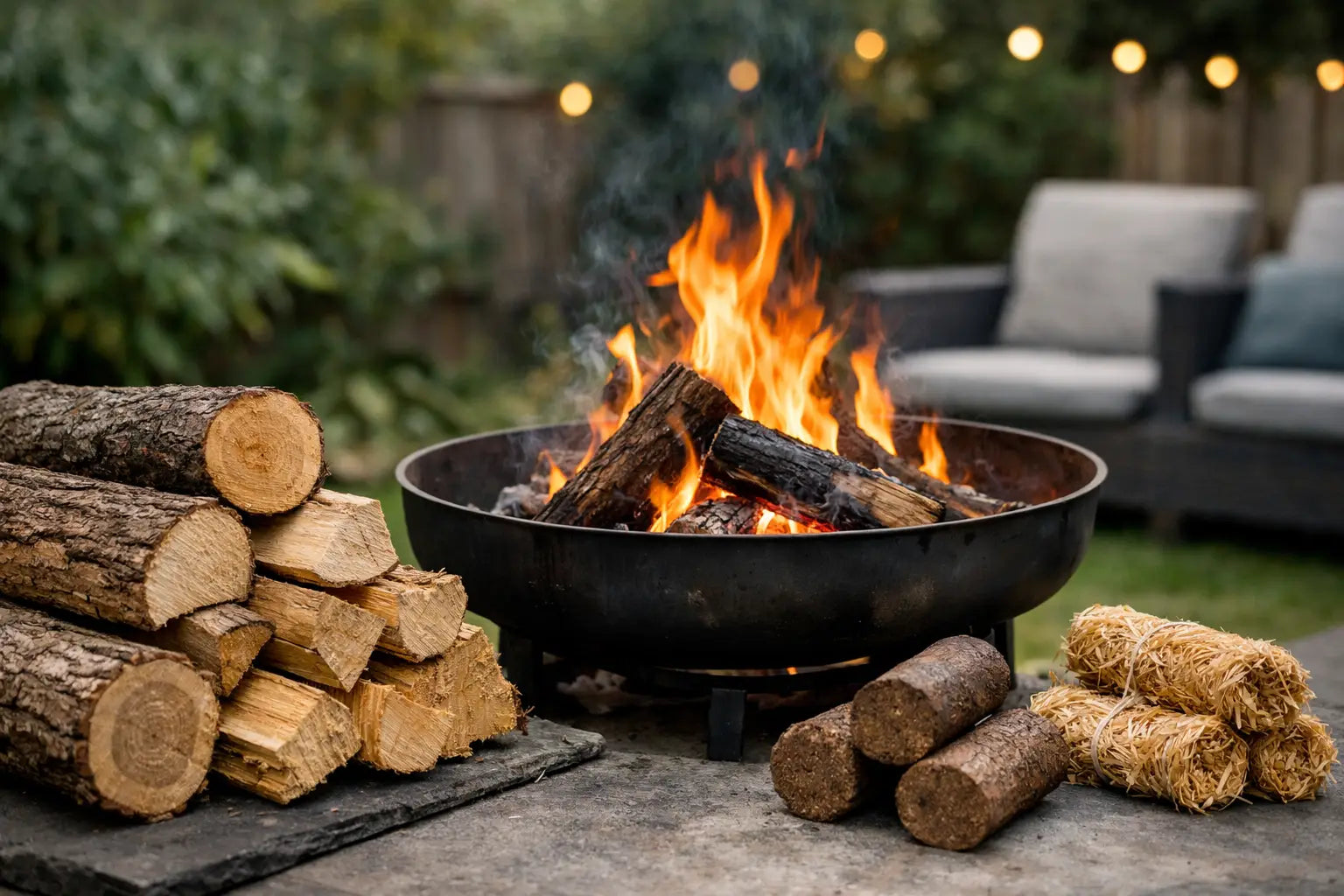
A fire pit can turn a cold evening into time well spent outdoors, but the wrong wood can quickly mean smoke in everyone’s eyes, weak heat and a pile of half-burnt logs. The best logs for fire pits are dry, untreated and sized for the pit, giving you a bright, dependable fire without excessive smoke or constant tending.
For most UK households, kiln-dried hardwood is the most reliable choice. It lights more easily than damp wood, burns efficiently and leaves less residue behind. Choosing the right species then comes down to the balance you want between quick warmth, flame appearance, burn duration and price.
What makes a log suitable for a fire pit?
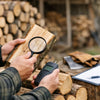
Outdoor fires are less enclosed than a stove, so some heat is inevitably lost to the air. That makes dry fuel especially worthwhile. Logs with a moisture content below 20% burn hotter and more cleanly because less of the fire’s energy is spent driving water out of the wood.
Look for Ready to Burn certified firewood when buying domestic quantities. This gives reassurance that the wood meets the required moisture standard and is suitable to use straight away. Kiln-dried logs provide a consistent option because the drying process is controlled, rather than relying on an unpredictable period of outdoor seasoning.
Log size matters too. A fire pit needs logs that sit securely within its bowl or basket. Oversized pieces can prevent airflow, protrude from the pit and make the fire harder to manage. Smaller logs are useful for getting established; medium logs usually maintain the fire best once there is a good bed of embers.
Avoid wood that has been painted, varnished, pressure-treated or used in construction. Old fence panels, decking, chipboard, MDF and pallets can release unpleasant or harmful fumes when burned. They also tend to burn unpredictably. Use only clean, untreated firewood intended for burning.
Best logs for fire pits by wood type
Different hardwoods behave differently. There is no single answer for every garden gathering, but the following species cover most needs well.
Birch for an easy, attractive fire
Birch is a popular choice when you want the fire going without fuss. Its bark catches readily and it produces lively flames, making it especially useful for lighting a fire pit or topping up a smaller fire. It gives good heat, though it generally burns faster than denser hardwoods.
Birch works well for a relaxed evening where you want visible flame and do not mind adding a log more regularly. Use it with kindling to establish the fire, then combine it with a slower-burning hardwood if you plan to stay outside for several hours.
Ash for dependable all-round performance
Ash is one of the most practical all-round firewoods for a fire pit. Properly dried ash lights well, produces steady heat and burns at a measured pace. It is a sound choice for households that want one type of log capable of handling both a quick midweek fire and a longer weekend gathering.
Ash is less dramatic than birch at the start, but its reliable burn makes it easier to manage. If your priority is consistent heat with a sensible amount of flame, it is hard to go wrong with kiln-dried ash.
Oak for longer evenings outdoors
Oak is dense, slow-burning and well suited to keeping an established fire going. Once the fire pit has a hot base of embers, oak can provide long-lasting heat with fewer refills. It is particularly useful in a larger pit where there is enough space and airflow for the logs to burn properly.
The trade-off is that oak can be slower to ignite than lighter woods. It is best used after kindling and quicker-burning logs have built a strong fire. Do not expect a single oak log placed on a weak flame to solve the problem.
Hornbeam for high heat and long burn time
Hornbeam is a very dense hardwood that offers strong heat and an excellent burn duration. For a fire pit used late into the evening, it is a premium option. Its density means each log can provide substantial fuel, helping reduce the frequency of topping up.
Like oak, hornbeam benefits from a properly established fire. It is not the easiest wood for a first flame, but it is highly effective once the fire is burning well. For customers buying firewood in bulk, hornbeam can be good value in use because of its lasting performance.
Alder for a lighter, quicker fire
Alder burns more quickly than oak or hornbeam and gives a pleasant, manageable flame. It is useful for shorter fires, smaller pits and milder evenings when intense, long-lasting heat is not necessary. It can also be a practical choice for mixing with denser logs.
If you want a fire that is easy to control and does not leave you with a large amount of heat long after guests have gone indoors, alder is worth considering. As with every species, its performance depends on being properly dried.
Choose hardwood, but do not overlook the moisture level
Hardwood is usually the preferred fuel for fire pits because it is denser and tends to provide longer-lasting heat. However, dry softwood is better than wet hardwood. A damp oak log will smoke, hiss and struggle, while a clean, dry log of a lighter species can still give a far better fire.
This is why moisture content should be the first buying check, not an afterthought. Freshly cut or poorly stored logs may look substantial, but they can contain too much water to burn efficiently. The result is more smoke, lower heat and blackened glass or metal around the pit.
Kiln-dried wood offers consistency across a load, whether you are buying a few bags for occasional use or a larger crate for regular fires. It also helps you calculate value more accurately. Logs that burn properly deliver usable heat; logs that smoulder through their own moisture do not.
How to build a cleaner fire pit fire
Even the best firewood performs poorly if the fire is built without airflow. Start with dry kindling and a suitable firelighter, then place a small number of split logs above it in a loose criss-cross arrangement. This leaves space for oxygen to reach the flames.
Once the kindling is burning strongly, add one or two small hardwood logs. Resist the temptation to fill the fire pit immediately. Overloading it reduces airflow and can cause the fire to smoke. Add larger or denser logs only when there is a stable flame and a glowing bed of embers.
Keep the fuel below the rim of the fire pit and use a spark guard where appropriate. Never leave a fire unattended, and keep children, pets, garden furniture and combustible materials at a safe distance. Check local restrictions and be considerate of neighbours, especially in built-up areas where smoke can drift into nearby gardens or open windows.
Store your firewood so it stays ready to burn
Dry firewood can take on moisture again if it is left exposed to rain or sitting directly on damp ground. Store logs raised off the ground in a dry, ventilated log store, shed or covered area. Cover the top and sides most exposed to weather, but do not wrap the stack tightly in plastic, as trapped moisture can encourage mould.
Bring a small supply indoors or under cover before you need it, particularly in wet weather. This is not about drying the wood further so much as keeping surface moisture off it. A dry log that has been rained on can still be awkward to light until the outside has dried.
When comparing bags, crates and larger loads, consider how often you use your fire pit and where the delivery can be stored. Smaller packs are convenient for occasional use. A crate or palletised delivery can make better sense for frequent users, provided there is accessible, protected storage available.
A practical choice for your next fire
For easy lighting and lively flames, choose kiln-dried birch or alder. For a dependable all-purpose fire, ash is an excellent option. For long evenings and strong heat, add oak or hornbeam once the fire is established. A mixed supply can be the most practical arrangement, giving you fast-lighting logs as well as dense fuel for keeping the warmth going.
Candowe supplies Ready to Burn certified kiln-dried logs in formats suited to occasional garden fires and larger household fuel stocks. Whatever format you choose, dry, responsibly sourced wood and sensible fire management will give you more warmth, less smoke and a fire pit that is a pleasure to gather around.