Skip to content
Premium Hardwood Logs: What to Look For
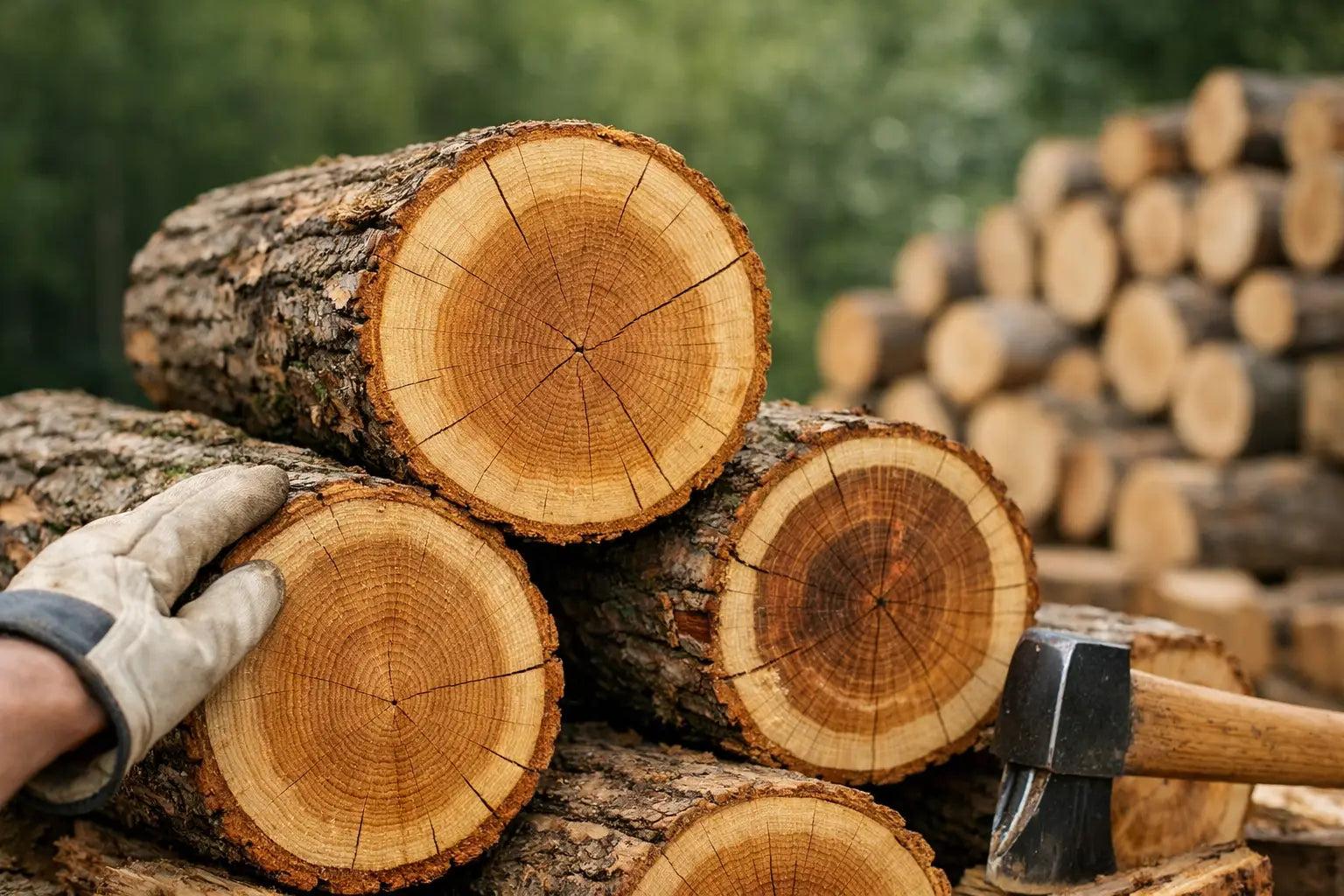
A stove full of poor-quality logs is easy to recognise. The glass blacks up quickly, the fire struggles to stay lively, and you seem to get through far more fuel than expected. Premium hardwood logs are different. They arrive properly dried, light cleanly, give dependable heat and leave less mess behind.
For most households, the difference comes down to moisture, species and consistency. A lower headline price can look appealing, but if the logs are damp, uneven or badly stored, you often pay for it in weaker performance and wasted time. If you rely on a stove or open fire for regular heating, choosing better logs is less about luxury and more about getting reliable results every time you light up.
What makes premium hardwood logs premium?
The word premium gets used too freely in the firewood market, so it helps to be specific. In practical terms, premium hardwood logs should be properly kiln-dried or otherwise dried to a moisture content below 20%, suitable for immediate burning, and consistent in size and quality. They should also come from responsibly sourced timber and be supplied in a format that makes storage and handling straightforward.
That moisture level matters most. Wet or partially seasoned wood wastes energy because the fire has to boil off excess water before the log can burn efficiently. That means less usable heat for the room, more smoke, more deposits in the flue and a less predictable burn. Dry hardwood is easier to light and easier to control, especially in modern wood-burning stoves designed to work best with clean, dry fuel.
Consistency is another sign of quality. If one load contains oversized rounds, crumbly pieces and mixed moisture levels, the fire becomes harder to manage. Better logs are cut to sensible lengths, split for airflow and packed in a way that keeps the product stable during delivery and storage.
Why hardwood matters for home heating
Hardwood is generally preferred for domestic burning because it is denser than softwood and tends to provide a longer, steadier burn. That makes it well suited to evening heating, maintaining stove temperature and reducing how often you need to refuel. Species such as oak, ash, birch, alder and hornbeam are popular for good reason, although they do not all behave in exactly the same way.
Oak is dense and long-burning, which many customers value for sustained heat. Ash is known for a reliable burn and good all-round performance. Birch lights readily and gives strong heat, making it a practical choice when you want a quick, lively fire. Alder can be an efficient everyday option, while hornbeam is often chosen for its high density and long burn time. The best choice depends on your appliance, how often you use it and whether you prioritise quick ignition or longer-lasting embers.
That said, species alone does not guarantee performance. A well-dried birch log will usually outperform a damp oak log. Premium quality starts with correct drying and storage, then the wood species shapes how the fire behaves.
Premium hardwood logs and moisture content
If you only check one specification before buying, check moisture content. Logs below 20% are suitable for clean, efficient burning and align with Ready to Burn expectations for domestic use. This is especially relevant in the UK, where buyers want fuel that can go straight from delivery to stove without months of further seasoning.
Kiln-drying offers a practical advantage because it removes moisture under controlled conditions, producing a more dependable result than loosely seasoned wood stored outdoors. It also reduces the guesswork. You are not left wondering whether the middle of the stack is still too wet or whether a recent spell of rain has undone weeks of drying.
For regular stove users, that certainty matters. It means easier lighting, more consistent heat output and less build-up on stove glass and inside the chimney system. Over time, cleaner burning fuel can also help reduce maintenance issues linked to soot and tar deposits.
How to judge value, not just price
Firewood is often compared on headline cost alone, but that can be misleading. A cheaper load may contain more moisture, less usable wood volume or inconsistent log sizes that burn inefficiently. Better value comes from understanding what you are actually getting.
Look at volume, packaging format and whether pricing is transparent. A crate, net bag or boxed pack may suit different storage spaces and usage patterns, so the right format depends on how you burn and where you keep your fuel. Households that burn most days often benefit from buying larger volumes at a clearer price per cubic metre, while occasional users may prefer smaller, tidy packs that are easier to move and store indoors.
It is also worth considering what is included around the product itself. Reliable nationwide delivery, sensible lead times, and fuel that arrives ready to use all have value. So does certification that confirms the logs meet recognised standards for moisture and burning suitability.
Choosing the right log for your stove or fireplace
Not every appliance needs exactly the same fuel approach. If you use a compact stove, log length becomes particularly important. Oversized logs can restrict airflow and make loading awkward, while undersized pieces may burn too quickly. For open fires, you may want a mix that gives both flame appeal and useful heat, though open fires are naturally less efficient than enclosed stoves.
If your priority is quick lighting on colder mornings, birch or a similarly easy-lighting hardwood can be helpful. If you want to keep heat steady through the evening, denser species such as oak or hornbeam may be more suitable. Many users get the best results by matching the species and pack size to their actual routine rather than chasing whichever option sounds strongest on paper.
For households that heat regularly through autumn and winter, convenience matters almost as much as burn quality. Ready-to-use logs in clean, manageable packaging reduce the effort of bringing fuel in, keeping it dry and monitoring stock levels.
Storage still matters after delivery
Even premium hardwood logs need proper storage once they arrive. Dry logs can take on moisture again if they are left uncovered in the rain or stacked in a poorly ventilated shed. The aim is to keep them off the ground, protected from direct weather and exposed to enough airflow to stay dry.
A log store with a roof and open sides works well for many homes. If space is limited, a garage or outbuilding can also be suitable as long as there is ventilation. Bringing a small amount indoors before use can make lighting even easier, particularly in colder weather.
The key point is simple. Buying good logs is only half the job. Storing them properly protects the quality you paid for.
What UK buyers should expect from a reliable supplier
When ordering fuel online, trust comes from clarity. Buyers should be able to see the wood type, moisture standard, pack format, estimated volume and delivery terms without digging through vague descriptions. A reliable supplier should also be upfront about availability and fulfilment times, especially during peak winter demand.
For many customers, delivery convenience is a major reason to buy online rather than relying on uncertain local supply. Clear lead times, broad postcode coverage and well-structured product options make it easier to plan ahead and avoid running low. That matters for both domestic households and trade buyers who need palletised fuel delivered efficiently.
Candowe focuses on that practical side of the purchase. The aim is not simply to sell logs, but to supply dry, dependable fuel in formats that help customers compare value and order with confidence.
When premium hardwood logs are worth it
If you only light an occasional decorative fire, the difference between average and premium logs may feel less dramatic. But for households that depend on a stove or fireplace for regular warmth, better logs quickly prove their value. You get easier lighting, steadier heat, cleaner burning and less day-to-day frustration.
There is still some room for preference. One household may favour birch for its ease of use, while another wants oak for a slower burn. One buyer may need compact fire-box packs; another may want larger crates for winter stock-up. The common factor is that dry, consistent hardwood gives you a more efficient and predictable fire.
When you are choosing fuel for the colder months, the best test is not how the logs look in a product photo. It is how they perform on an ordinary evening when you want the stove to light first time, burn cleanly and heat the room without fuss.