Skip to content
Kiln Dried Logs: Are They Worth It?
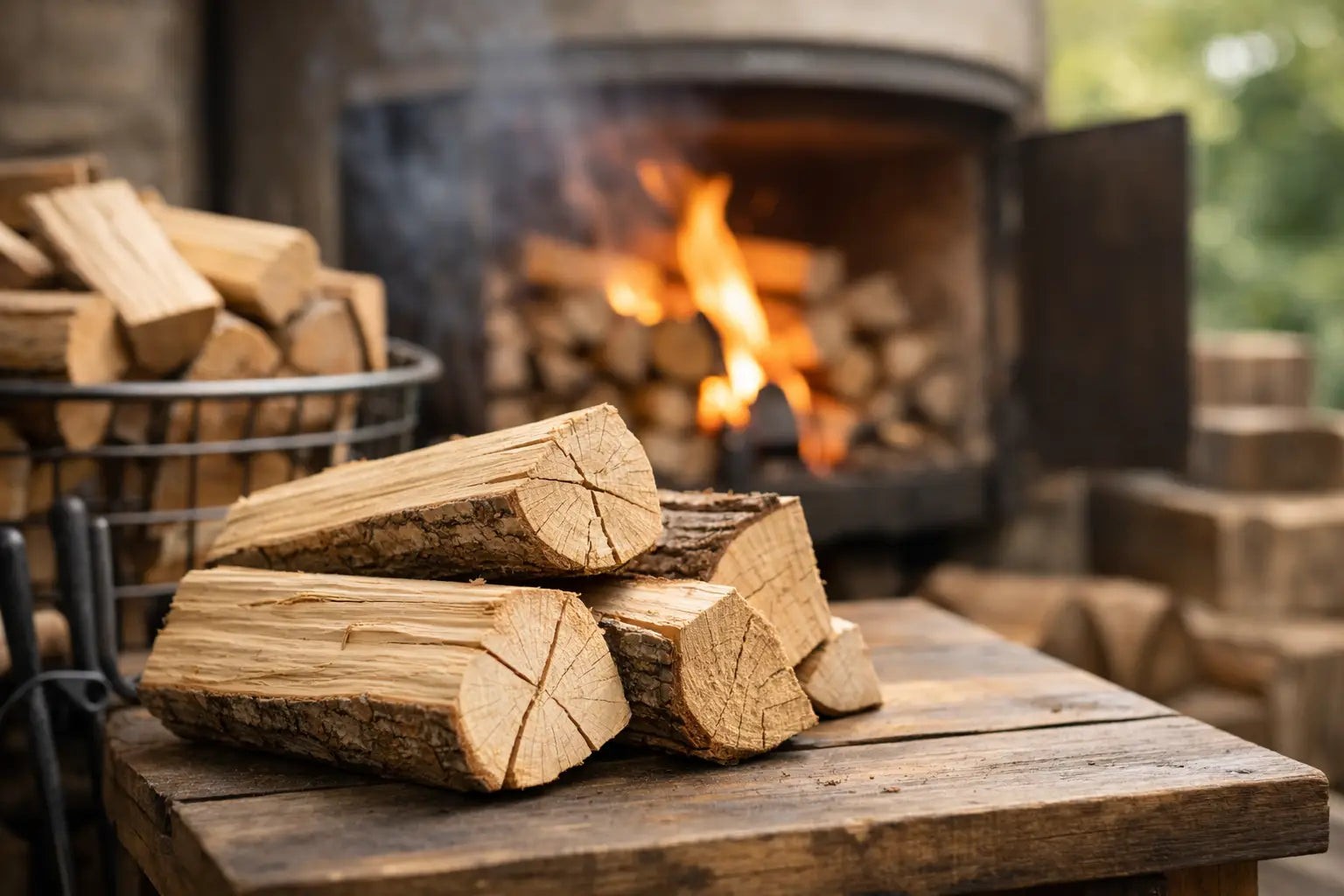
If you have ever tried to light a stove with damp firewood, you already know the difference good fuel makes. Kiln-dried logs take away the guesswork. They arrive ready to burn, with moisture content below 20%, so you get a cleaner flame, steadier heat and far less time wasted coaxing a reluctant fire into life.
For households that rely on a wood burner, open fire or multi-fuel stove, that reliability matters. You are not just buying logs. You are buying easier lighting, more predictable heat output and less mess around the hearth. That is why kiln-dried fuel has become the standard for customers who want straightforward performance rather than a pile of wood that may or may not be usable this week.
What kiln-dried logs actually are
Kiln-dried logs are firewood that has been dried in a controlled chamber until the moisture content is reduced to a level suitable for efficient burning. In the UK, the key benchmark is below 20% moisture, which is also the standard associated with Ready to Burn certification. That figure is not a technical detail for the sake of it. It is what separates clean-burning fuel from wood that hisses, smokes and wastes energy.
Freshly cut timber can hold a surprising amount of water. If that moisture is left in the wood, much of the fire's energy is spent driving off steam instead of producing useful heat. Kiln drying speeds up the drying process in a consistent, measurable way. Rather than waiting months or even years for logs to season naturally, the wood is dried under controlled conditions and supplied ready for use.
This is especially useful if you do not have the space, time or patience to store and season timber yourself. For many UK households, that is the main advantage. You can order fuel when you need it and use it shortly after delivery.
Why moisture content matters so much
The case for kiln-dried logs comes down to efficiency. Lower moisture means the wood ignites more easily and burns more cleanly. You get more usable heat from each log because less energy is wasted evaporating water.
That affects the practical side of heating your home in several ways. First, your stove reaches working temperature more quickly. Second, the fire burns with a steadier flame and is easier to control. Third, there is usually less smoke and fewer deposits left behind in the appliance and flue.
Wet or poorly seasoned logs can create problems that go beyond inconvenience. Extra smoke is unpleasant, particularly in built-up areas, and can contribute to faster soot and tar build-up in the chimney. Over time, that means more cleaning, more maintenance and a less efficient appliance. If you have invested in a good stove, it makes little sense to feed it fuel that holds it back.
Kiln-dried logs vs seasoned logs
Seasoned logs can still be a good option, but the quality depends heavily on how they have been stored and for how long. One supplier's seasoned wood may be perfectly usable, while another's may still be too damp to burn well. Even if the logs were dry at one stage, poor storage can allow them to reabsorb moisture.
That is where kiln-dried logs have a clear edge. They offer more consistency. You are buying fuel with a known moisture level rather than hoping the stack in the yard has been properly managed.
This does not mean kiln-dried is always the cheapest option on the ticket price alone. Seasoned wood can sometimes appear less expensive upfront. But once you consider burn efficiency, ease of use and reduced waste, kiln-dried fuel often offers better value. Paying less for wood that burns badly is not much of a saving.
There is also the question of timing. If you buy seasoned logs in spring and have dry, ventilated storage, they may suit you well by winter. If you need fuel now and want confidence that it is ready to use, kiln-dried is the safer choice.
Which wood species are best?
Not all kiln-dried logs burn in exactly the same way. The species affects flame pattern, heat output, burn duration and how often you need to reload the stove.
Hardwoods such as oak, hornbeam and ash are generally chosen for their dense structure and longer burn times. They suit customers who want a sustained, steady heat and fewer trips back to the log basket. Birch is often valued because it catches quickly, burns brightly and is easy to use, making it a strong all-round choice for day-to-day firing. Alder can also be a practical option for dependable, clean burning.
The right choice depends on how you use your appliance. If you are lighting the stove from cold each evening, a species that catches easily can make life simpler. If you are heating a room for several hours, denser logs may offer better staying power. Many households find the best approach is not choosing one wood for every situation, but choosing the format and species that match their routine.
Choosing the right format for your home
The format matters almost as much as the moisture level. A customer with limited storage in a suburban garden does not need the same solution as a rural property owner stocking fuel for the whole season.
Small bags and fire-box packs are useful if you want convenience, easy handling and tidy storage. Crated or palletised loads make more sense for bulk buyers who want stronger value per cubic metre and fewer repeat orders. Net bags can be practical for regular top-ups, while larger loads suit households that know they will get through substantial volumes over winter.
This is where clear product information becomes important. Bag size, loose volume, weight and price per cubic metre all help buyers compare properly. The cheapest-looking option is not always the best value if the actual volume is lower than expected. Transparent measurements make it easier to plan storage space and estimate how long the supply will last.
Storage still matters after delivery
Even premium kiln-dried logs need storing correctly once they arrive. Dry fuel can pick up moisture if it is left exposed to rain or stacked in a poorly ventilated shed. The goal is simple: keep the logs dry while allowing airflow around them.
A covered log store with open sides usually works well. If you are storing bagged or boxed wood, keep it raised off the ground where possible and avoid sealing it in a damp outbuilding. Bringing a small quantity indoors before use can also help, especially in colder months.
Good storage protects the quality you paid for. It also means your first bag burns just as well as your last one.
Kiln-dried logs and clean burning
For many customers, clean burning is no longer just a preference. It is part of buying fuel responsibly. Dry wood produces less smoke than wet wood, which is better for appliance performance and better for the local environment.
Using Ready to Burn certified fuel is one of the simplest ways to make sure your wood is suitable for domestic burning. It gives reassurance that the moisture level meets the recognised standard for cleaner combustion. For households in smoke control areas, fuel quality becomes even more important, alongside making sure the appliance itself is compliant.
Sustainability matters too, but it should be looked at sensibly. Drying wood in a kiln is an extra process, so sourcing and supply standards count. Responsibly sourced timber and efficient production help ensure the product delivers both performance and a more considered environmental profile. Buyers should not have to choose between practical heating and responsible purchasing.
When kiln-dried logs are most worth buying
Kiln-dried logs are particularly worthwhile if you want dependable results without extra preparation. They suit busy households, first-time stove owners, customers with limited storage and anyone who has had enough of inconsistent local firewood.
They are also a strong choice for trade and commercial users who need fuel that performs predictably across larger volumes. If you are ordering by the pallet, inconsistency becomes expensive very quickly.
There are still cases where another option may suit. If you have plenty of space, long lead times and access to properly seasoned timber from a trusted source, you may be happy to manage your own stock over time. But for most buyers looking for convenience, compliance and straightforward heating performance, kiln-dried logs remain the more dependable route.
A good fire starts long before you strike a match. It starts with fuel you can trust to burn cleanly, store well and deliver the heat you expected when you ordered it.