Skip to content
Premium Firewood: What Actually Matters
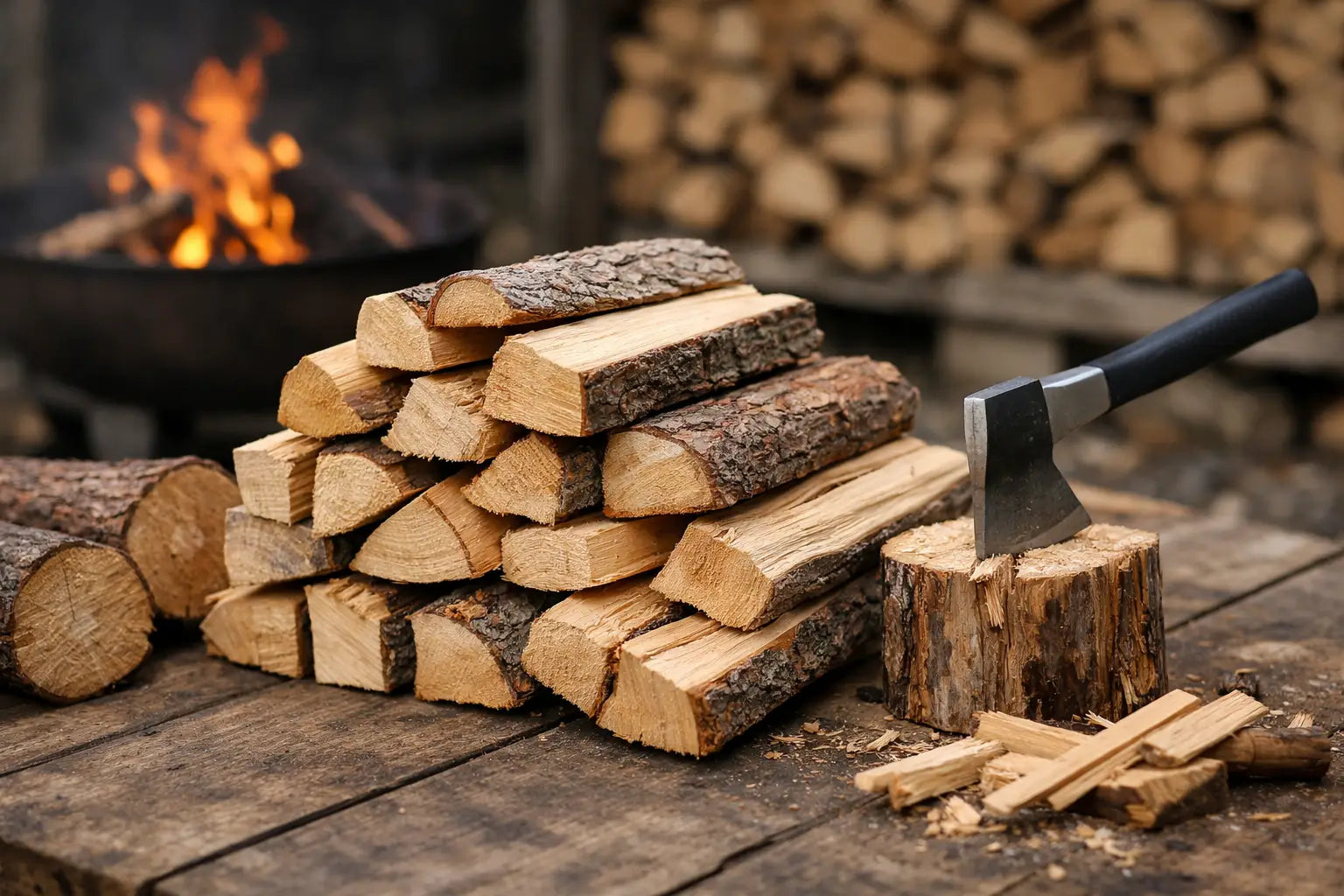
A load of logs can look fine at first glance, then disappoint the moment you light the stove. They hiss, smoke, blacken the glass and throw out far less heat than expected. That gap between appearance and performance is exactly why premium firewood matters.
For most households, buying logs is not about rustic charm. It is about dependable heat, clean burning, less mess and fuel that arrives ready to use. If you rely on a wood burner, open fire or multi-fuel stove, the quality of your firewood affects everything from running costs to chimney cleanliness. The better the logs, the easier the whole job becomes.
What premium firewood really means
Premium firewood is not simply wood sold at a higher price. In practical terms, it means logs that are consistently dry, properly processed, suitable for home heating and supplied in a way that makes value clear.
The biggest marker is moisture content. Logs with moisture below 20% burn more cleanly and more efficiently than wet or partially seasoned wood. That is why kiln-dried, Ready to Burn certified firewood has become the benchmark for households that want less guesswork. You are not paying for a label alone. You are paying for fuel that is genuinely ready to go.
Species also matter, but not in a simplistic good-versus-bad way. Hardwoods such as oak, ash and hornbeam are often chosen for longer burns and strong heat output. Birch is popular because it lights easily and burns brightly. Alder can be a sound option where a quicker, cleaner fire is preferred. The right choice depends on your stove, how you use it and whether you want fast heat, long burn time or a balance of both.
Why moisture content matters more than almost anything else
If logs are too damp, a large share of the fire's energy is wasted driving off water before the wood can burn properly. You may still get flames, but you will not get efficient heat. Instead, you are more likely to see excess smoke, residue on the stove glass and a greater build-up in the flue.
Dry logs are different. They ignite more easily, burn at a steadier temperature and produce a more controlled flame. In day-to-day use, that means less frustration and less fiddling with airflow to keep the fire going. It also means you can better judge how much fuel you need, because the burn is more consistent from one load to the next.
This is where premium firewood earns its place. It removes uncertainty. You are not left storing questionable logs for months in the hope they might improve. You can stack them, light them and expect them to perform properly.
Premium firewood and overall value
Cheaper logs are not always cheaper to heat with. If wood burns poorly, you tend to use more of it. If it spits, smokes or struggles to stay lit, you often compensate by adding extra fuel sooner than planned. The result is a lower headline price but weaker value over time.
Premium firewood usually gives clearer value because performance is more predictable. If the volume is stated properly and the product format is transparent, you can make a fair comparison between crates, nets, bags or boxed packs. That matters for households trying to budget across winter, and it matters just as much for trade or hospitality buyers who need repeatable fuel costs.
Convenience has value too. Reliable delivery, known moisture levels and easy-to-handle packaging all reduce the hidden hassle that often comes with buying logs locally from inconsistent sources. For many customers, that reliability is worth more than saving a small amount on a load that may not burn well.
Choosing the right wood species
The species question gets a lot of attention, and fairly so, but it should sit alongside moisture content rather than replacing it. Dry birch will generally outperform wet oak in real-world use. That is the first point to keep in mind.
Birch is a strong all-round choice for many homes. It catches well, burns cleanly and is useful when you want a fire going without delay. Ash is often favoured for steady, reliable burning. Oak tends to be denser and can suit longer, slower burns, though some users prefer mixing it with an easier-lighting species. Hornbeam is valued for its density and strong heat, while alder can work well where a lighter-burning hardwood is preferred.
There is no single best species for every home. If you light short evening fires, quick ignition may matter more. If your stove is a serious part of your heating setup, burn duration and fuel density may be more important. Many households do well with a practical mix rather than treating one wood type as the answer to everything.
Format matters as much as the log itself
Premium firewood should not only burn well. It should also suit the way you buy, store and use fuel.
Crated logs are often the clearest option when you want a larger volume delivered in one go and you want to compare cost properly. Net bags and smaller bagged formats are useful where storage space is limited or access is tighter. Fire-box packs can be particularly convenient for occasional users or households that want a tidy, manageable option near the stove.
The right format depends on how much you burn and where you store it. A rural household with a dedicated log store may benefit from ordering in bulk. A suburban customer with limited outside space may need smaller packs that are easier to move and keep dry. Premium supply is not just about the wood quality. It is about offering formats that make practical sense.
What to check before you buy premium firewood
A good product listing should tell you enough to buy with confidence. You should be able to see the species, moisture standard, format and volume without having to make assumptions. If a supplier is vague about quantity or avoids clear information about dryness, that is usually a warning sign.
Ready to Burn certification is a useful trust marker because it supports the claim that logs are dry enough for domestic use. Sustainable sourcing matters too, especially for customers who want wood fuel to remain a responsible heating choice. Delivery terms are also worth checking. Firewood is bulky, and what looks like a fair price can quickly become less competitive if delivery is added later or service is patchy.
This is why dependable online suppliers have become more relevant. Clear specifications, structured product ranges and transparent pricing help customers compare options quickly and order what they actually need.
Clean burning is not just about convenience
When people talk about clean-burning firewood, they often focus on a nicer flame and less mess around the stove. Both matter, but there is more to it than that.
Dry, well-prepared logs support better appliance performance. They reduce unnecessary smoke, help maintain a cleaner viewing glass and can contribute to lower residue build-up in the flue when used correctly. That is better for day-to-day maintenance, but it also supports compliance-minded customers who want fuel that aligns with modern expectations around domestic solid-fuel use.
If you are already investing in a good stove, proper storage and regular chimney sweeping, it makes little sense to undermine that setup with poor-quality logs. Premium firewood protects the rest of the system from avoidable problems.
When premium firewood is especially worth it
There are some situations where higher-quality logs are not just preferable but sensible. If your stove is a major source of home heating, consistent fuel quality has a direct effect on comfort and cost. If you are using an appliance in a cleaner-burning area or simply want to avoid smoky starts and dirty glass, dry certified logs make life easier. The same applies if you do not have the space or time to season wood yourself.
For business buyers, the case is often even clearer. Pubs, holiday lets, workshops and other commercial settings need fuel that arrives ready to use and performs consistently from one delivery to the next. Variability is expensive when staff time, customer experience and heating reliability are all involved.
Candowe focuses on this practical side of the market - kiln-dried logs, clear product formats and reliable UK delivery for customers who want ready-to-burn fuel without unnecessary hassle.
The real standard to aim for
The best premium firewood is not the one with the grandest description. It is the one that turns up dry, burns cleanly, gives dependable heat and makes ordering straightforward. That means looking past vague claims and paying attention to moisture content, certification, species, format and honest value.
When those pieces are in place, buying logs stops being a gamble. It becomes a simple household decision, much like choosing any other dependable fuel. And once you have burned genuinely dry, well-prepared wood, it is very hard to go back to anything less.