Skip to content
Smokeless Fuel: What UK Buyers Should Know
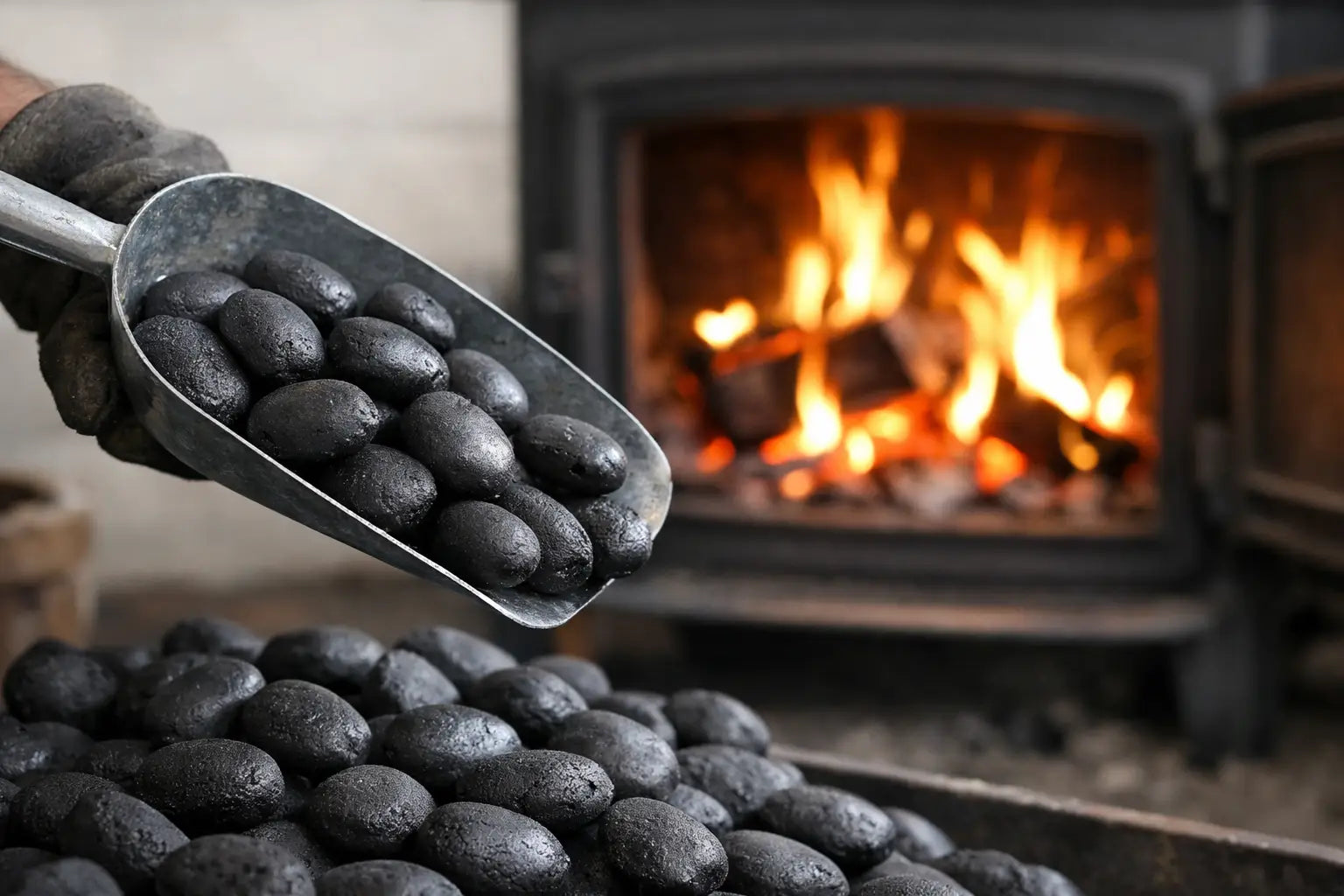
A fire that burns hot but does not leave you with clouds of smoke, heavy soot and constant tending is not a small upgrade - it changes how practical solid-fuel heating feels day to day. That is why smokeless fuel remains a popular choice for UK households using multi-fuel stoves, open fires and other approved appliances, especially where cleaner burning and dependable heat matter just as much as price.
For many buyers, the challenge is not deciding whether to use solid fuel at all. It is working out which fuel gives the best balance of heat output, burn time, cleanliness and convenience. Smokeless products can be excellent value, but only when they are matched to the right appliance and used with realistic expectations.
What is smokeless fuel?
Smokeless fuel is a solid fuel designed to burn with far lower visible smoke emissions than traditional house coal. In practical terms, that means a cleaner fire, less nuisance for neighbouring properties and better suitability for homes in areas with stricter air quality rules.
The term covers more than one product type. It can include manufactured ovoids, smokeless coal alternatives and anthracite-based fuels. Each burns a little differently. Some are made to light more easily, some are designed to hold heat for longer, and some are chosen because they leave less ash behind.
That variety matters. People sometimes speak about smokeless fuel as though every bag performs the same way, but the differences show up quickly once the fire is lit. A household using a stove for evening heating may want a fuel that catches well and provides steady warmth for a few hours. Someone keeping a room warm for much longer may prefer a denser product with a slower, more controlled burn.
Why smokeless fuel appeals to UK households
The main advantage is cleaner combustion. Compared with ordinary coal, smokeless fuels generally produce less smoke and often less soot. That helps keep the appliance and flue in better condition, although regular sweeping and maintenance still matter.
There is also a convenience factor. Good smokeless fuel tends to offer consistent performance from bag to bag, which makes it easier to plan fuel use. You are less likely to deal with the unpredictability that comes from poor-quality, mixed-grade fuel. For households that rely on their stove or fire through colder months, that consistency is not a luxury. It is part of keeping heating straightforward.
Burn time is another reason buyers choose it. Many smokeless fuels are dense and slow burning, so they can provide lasting heat without constant refuelling. That can make them particularly useful for overnight slumbering where the appliance manufacturer allows it, or for long evening use when you do not want to keep getting up to add more fuel.
Smokeless fuel and smoke control areas
For many UK customers, this is where the subject becomes more than a matter of preference. If you live in a smoke control area, the fuel you burn and the appliance you burn it in can affect whether you are operating within local rules.
Smokeless fuel is often chosen because it is better suited to these conditions than traditional bituminous coal. That said, compliance does not rest on the fuel name alone. It depends on the specific product and the appliance being used. If a customer is in any doubt, checking local guidance and appliance suitability before ordering is sensible.
This is one of those areas where broad assumptions can cause problems. A fuel sold as suitable for one multi-fuel stove may not be the best choice for another. Grate design, airflow and operating temperature all affect results.
Choosing the right smokeless fuel for your appliance
The best starting point is always the appliance itself. A multi-fuel stove is usually more flexible than an open fire, but even among stoves there are differences in recommended fuels. The manufacturer guidance should come first, especially where warranty or performance is concerned.
For multi-fuel stoves
Multi-fuel stoves are often the most natural fit for smokeless fuel. They are built to handle solid mineral fuels and usually have the grate and airflow control needed for an efficient burn. In this setting, denser smokeless products can deliver very good heat output and long burn times.
What matters most is choosing a product that matches how you use the stove. If you light a quick fire in the evening, ease of ignition may matter more than maximum duration. If the stove is part of your main heating routine, a longer-burning fuel may offer better value over time.
For open fires
Open fires can use certain smokeless fuels, but the experience is usually less efficient than with a closed stove. Heat loss is greater, and the fire may require more attention. Even so, smokeless options can still be worthwhile if you want the character of an open fire with less smoke and a steadier burn than ordinary coal.
The trade-off is simple. You may gain cleaner burning, but you should not expect the same efficiency you would get from a well-run stove.
For wood-burning stoves
A dedicated wood-burning stove should not automatically be treated as suitable for smokeless fuel. If the appliance is designed for logs only, using mineral fuel can damage the stove or reduce its lifespan. In those cases, kiln-dried logs or wood briquettes are the correct route instead.
How smokeless fuel compares with kiln-dried logs
This is not an either-or argument for every household. Many customers keep both available because they serve different purposes.
Kiln-dried firewood offers quick flame, natural appearance and the familiar character many stove owners want. It is especially effective when moisture content is properly controlled below 20%, because that supports cleaner combustion and easier lighting. Smokeless fuel, by contrast, often provides longer-lasting, more concentrated heat and can be useful when sustained warmth matters most.
The choice often comes down to appliance type and heating habits. If you want the look and crackle of a real log fire, premium dry logs remain hard to beat. If your priority is an extended, steady burn with less refuelling, smokeless fuel can be the stronger option. Some households use logs to start and brighten the fire, then add smokeless fuel for endurance, but that approach only makes sense where the appliance is designed to handle both.
What affects performance most?
Fuel quality matters, but storage and firing technique matter as well. Even a premium smokeless product will disappoint if it is damp, poorly stored or used in an appliance with restricted airflow.
A dry storage area is essential. Bags should be kept protected from rain and ground moisture, with enough ventilation to avoid condensation. It also helps to buy from a supplier that gives clear information on product type, bag size and intended use, because that makes it easier to compare value properly rather than guessing from headline price alone.
Air control is another common issue. Smokeless fuels often need the right balance of under-fire air to burn efficiently. Too little air and the fire can struggle or produce more residue. Too much, and fuel may burn faster than necessary. The best results usually come from learning how your own stove responds rather than relying on a fixed rule.
Is smokeless fuel cheaper?
The bag price can be higher than some traditional alternatives, so the answer is not always obvious at first glance. But judging cost by purchase price alone misses the bigger picture.
A fuel that burns longer, produces strong heat and creates less waste can work out better value in use. If you are refuelling less often and getting more useful heat from each bag, the spend may be easier to justify. On the other hand, if you use the fire only occasionally for atmosphere rather than regular heating, the lowest running cost may not be your main concern.
That is why transparent sizing and pricing matter. Knowing the weight, volume or format you are buying helps you make a fair comparison instead of assuming one bag is equal to another.
Buying with confidence
When ordering smokeless fuel online, practical detail should come before sales language. You want to know what the product is, what it is suitable for, how it is packed and how quickly it can be delivered. Reliable supply matters, especially during colder spells when local stock can become patchy.
For households and trade buyers alike, convenience plays a bigger role than it used to. A clear product range, straightforward ordering and dependable delivery remove a lot of the usual hassle from fuel buying. That is one reason customers often buy from specialist suppliers rather than taking chances on inconsistent local availability. Candowe focuses on that reliability, with a broad fuel range and clear product information that helps buyers choose what fits their appliance and heating routine.
Smokeless fuel is not a one-size-fits-all answer, and it is not meant to be. Its real strength is that it offers a cleaner, more controlled option for people who want dependable solid-fuel heat without the drawbacks traditionally associated with coal. If your appliance is suited to it and your priority is steady performance with less smoke, it is a practical fuel worth keeping on hand before the next cold spell arrives.