Skip to content
Choosing Oak Briquettes for Stove Heating
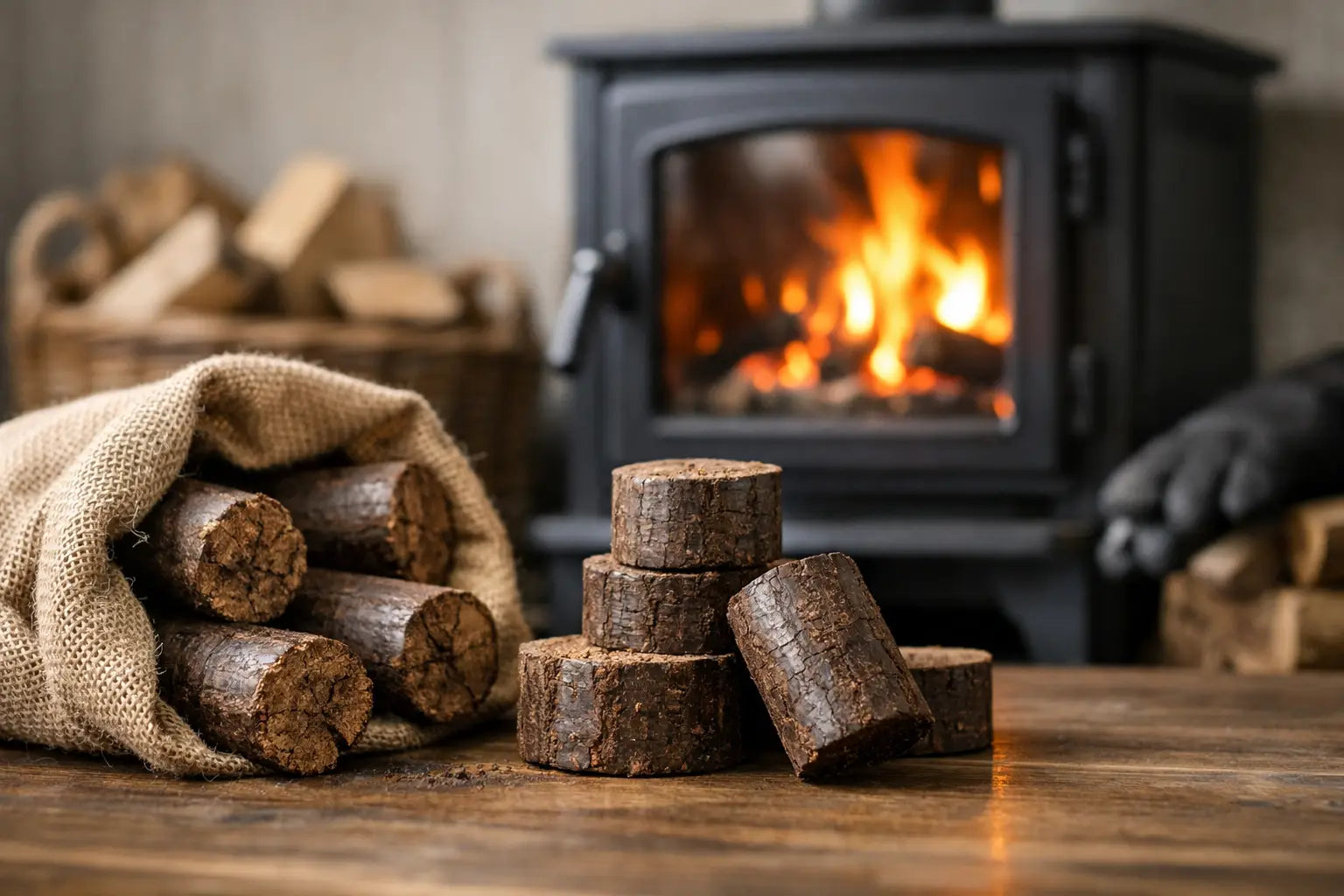
A stove that struggles to hold a steady temperature can turn a relaxing evening into a cycle of adding fuel, adjusting vents and clearing excess ash. Oak briquettes for stove heating offer a practical alternative when you want concentrated, low-moisture fuel that is simple to store and consistent to burn. They are particularly useful for households that value a clean fuel store, reliable heat and less uncertainty than can come with poorly seasoned logs.
Briquettes are not a replacement for every type of firewood or every burning routine. Their density means they behave differently from loose logs, so the best results come from using the right quantity, controlling airflow and checking that your appliance is suitable for them. Used well, they can be a dependable part of an efficient stove-fuel mix.
What are oak briquettes for stove use?
Wood briquettes are compressed blocks made from dry wood material, usually sawdust and wood shavings produced during timber processing. Oak briquettes are made with oak-derived material or a product blend specified by the supplier. The natural lignin in wood helps bind the material under pressure, so good-quality briquettes normally do not need chemical binders.
Their main advantage is density. A small number of briquettes can contain more fuel than the same volume of loose logs. They are also typically manufactured with a low moisture content, which helps them light efficiently once the stove is properly established and supports a cleaner, more controlled burn.
The exact shape, weight and expansion of a briquette vary by product. Some arrive as individual blocks, while others are supplied in wrapped packs or compressed cylinders. Always read the product information before use, particularly where a briquette is described as expanding during combustion.
Why density and moisture content matter
Wet wood spends much of its energy driving off water before it can provide useful heat. It can produce more smoke, blacken stove glass and encourage soot and tar deposits in the flue. This is why dry fuel is essential for efficient domestic burning.
Briquettes are made from dried wood material, giving them a predictable starting point compared with unseasoned or inconsistently stored logs. Their compact form also makes them easy to stack in a shed, garage or covered fuel store. For homes with limited space, this can be a significant benefit: a neat stack of packaged briquettes takes up less room than an equivalent amount of loose fuel.
High density brings a trade-off. Briquettes can release substantial heat, especially in a modern, efficient stove. That is useful on colder days, but it also means it is unwise to fill the firebox as if you were using ordinary logs. Start with a modest amount and learn how your stove responds.
How to burn briquettes safely and efficiently
Begin with a warm, established fire rather than placing several briquettes onto a weak flame. Use suitable kindling and dry firewood to create a bed of glowing embers, then add one or two briquettes according to their size and your stove manufacturer's guidance. This allows the fuel to catch properly without smothering the fire.
Keep the air controls open at first if required by your appliance instructions. Once the briquettes are burning well, reduce the airflow gradually to maintain a bright, controlled flame. Closing the air supply too early can lead to a smoky, inefficient fire. Leaving it fully open for too long may burn fuel faster than necessary and create more heat than the stove room needs.
Avoid breaking or loading briquettes in a way that blocks airflow through the firebox. If a product expands as it burns, leave room around it. Overloading is one of the most common causes of an over-fired stove, and can damage stove components, firebricks, seals and flue systems over time.
Your appliance manual should always take priority. Check its fuel recommendations, maximum load and any restrictions on compressed wood fuels. An open fire, older stove and modern clean-burn stove can all behave differently with the same briquette.
Do not use briquettes to slow-burn overnight
It can be tempting to restrict the air supply heavily to make fuel last longer. However, starving a wood fire of oxygen promotes incomplete combustion, which can increase smoke and deposits in the chimney. Burn briquettes with enough air for a clean flame, and have the chimney swept at appropriate intervals by a qualified professional.
A working carbon monoxide alarm in the same room as your stove is essential. It should be tested regularly, alongside routine inspection of the appliance, flue and ventilation.
Briquettes or kiln-dried logs?
For many households, the best answer is not one or the other. Kiln-dried logs and briquettes serve slightly different purposes, and combining them can make stove heating more flexible.
Kiln-dried hardwood logs provide the familiar flame, natural log-bed appearance and straightforward control that many stove owners prefer. Ready to Burn certified logs with moisture below 20% are a reliable everyday choice, especially when bought in a format that suits your storage space and weekly usage.
Briquettes are often more convenient when you need concentrated heat from a compact fuel source. They can be useful for boosting an established fire on a cold evening, keeping a backup fuel supply in a small outbuilding, or reducing the frequency of fuel deliveries. Their uniformity also makes it easier to judge what you are putting into the stove from one burn to the next.
The choice depends on your appliance, heating routine and the room being heated. A small stove in a well-insulated sitting room may need only occasional briquette use. A larger stove in a draughtier property may benefit from briquettes alongside kiln-dried hardwood logs, provided the load remains within the manufacturer's limits.
Choosing a quality briquette product
Not all briquettes burn in the same way. The wood species or blend, compression level, dimensions and moisture content all affect performance. Product information should be clear about what the briquettes are made from and how they should be used.
Look for dry, clean blocks with minimal crumbling inside the packaging. Excessive dust can make handling messier and may indicate that the product has been damaged in storage or transit. A small amount of loose material is normal, but well-packed briquettes should arrive in good condition.
For domestic use in England, wood fuel sold in small volumes must meet the relevant Ready to Burn requirements. Choosing compliant fuel provides reassurance that it has been tested to the required moisture standard. If you are purchasing for a business, rental property or larger heating requirement, confirm the product specification and delivery format before ordering.
Value should be assessed by more than the number of packs. Consider pack weight, fuel density, how long a pack lasts in your appliance and the amount of storage it saves. A low headline price is less useful if the fuel burns away quickly or arrives with inconsistent quality.
Storing briquettes correctly
Although briquettes are dry when supplied, they can absorb moisture if left exposed. Keep unopened packs indoors, in a dry shed or within a weatherproof fuel store. Store them off the ground where possible, particularly in garages or outbuildings that may become damp during winter.
Once a pack is opened, use it within a sensible period and reseal or cover any remaining briquettes. Do not keep them beside the stove or against a heat source. Fuel should be close enough to access safely, but stored with proper clearance to reduce fire risk.
Their tidy shape makes briquettes straightforward to organise, but it is still worth ordering realistically. A modest reserve protects you from running short during a cold spell without filling valuable storage space with more fuel than you can keep dry.
Getting the most from your stove fuel
Efficient heating starts with dry, suitable fuel, but stove operation matters just as much. Empty ash when necessary while retaining a shallow bed where your appliance benefits from one. Keep air inlets clear, use the controls actively rather than leaving them in one position, and maintain regular chimney sweeping.
Many households find that kiln-dried logs are ideal for building and enjoying the fire, while briquettes provide an extra measure of sustained heat when it is needed. Candowe supplies dry solid fuels in practical formats, helping households choose a fuel store that matches both their appliance and their available space.
Oak briquettes can be a sensible addition to a well-managed stove routine: compact, clean to handle and capable of dependable heat when used with care. Start small, observe how your stove performs, and let the flame - not guesswork - guide the next load.