Skip to content
Clean Burning Fuel for an Open Fireplace in Winter
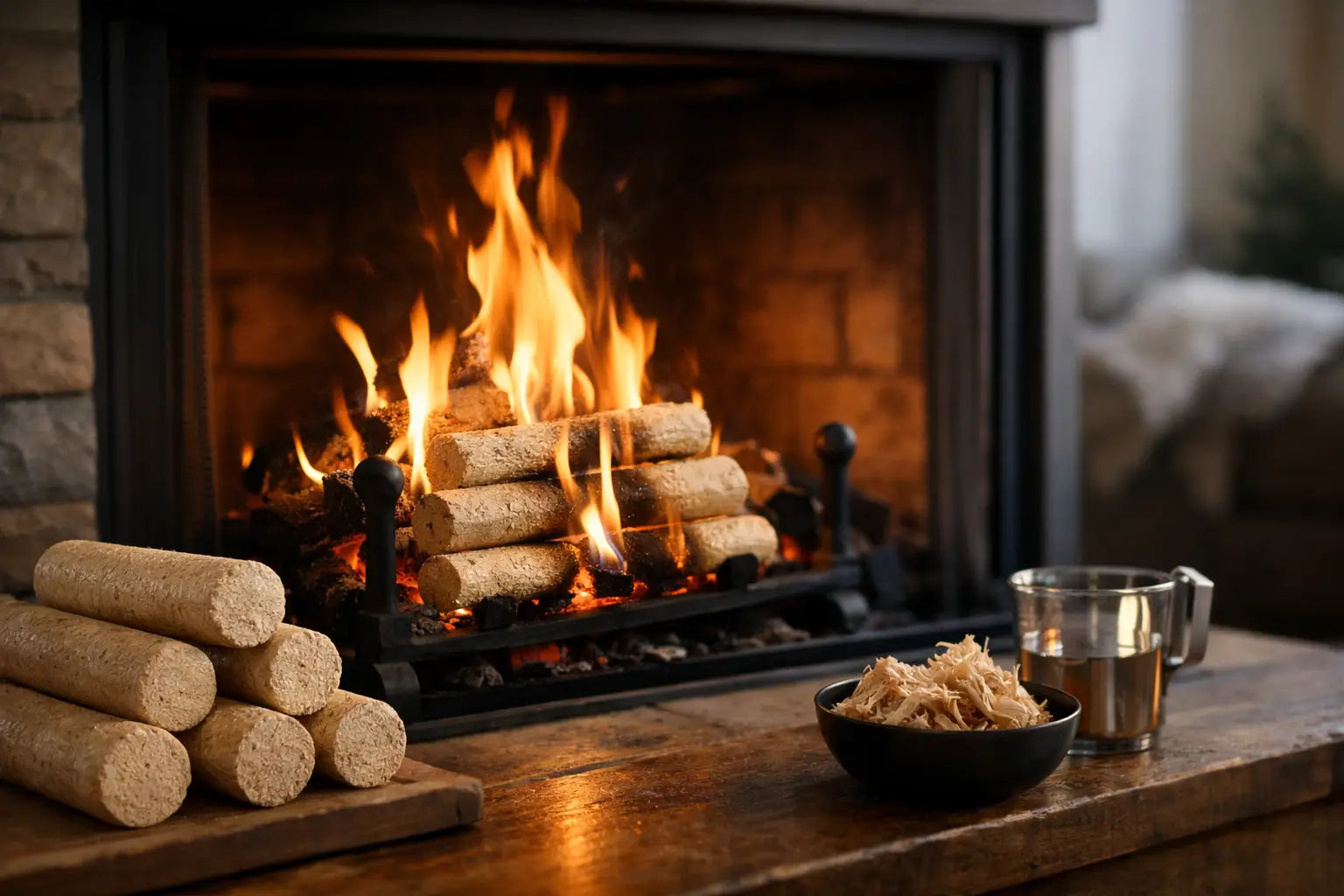
A fire that struggles to stay alight, smokes into the room or leaves a heavy layer of ash is usually telling you something about the fuel. Choosing clean burning fuel for open fireplace use starts with buying fuel that is dry, suitable for your grate and stored properly from delivery to lighting.
Open fires are less efficient than modern stoves, so fuel quality makes an immediate difference. The right logs or approved solid fuel will light more reliably, produce more useful heat and create less smoke and residue. The wrong choice can mean wasted fuel, a dirtier chimney and a less enjoyable fire.
What makes a fuel clean burning?
Clean burning does not mean a fuel produces no emissions. Any solid fuel fire creates combustion gases and particles. In practical terms, a clean-burning fuel is one that has low moisture, burns consistently and is used in a fireplace designed to burn it safely.
For wood, moisture content is the main factor. Freshly cut or poorly seasoned logs contain a large amount of water. Much of the fire's energy is then spent boiling off that water instead of heating the room. The result is a cooler, smokier fire, blackened glass or surroundings, and deposits forming in the flue.
Kiln-dried logs with a moisture content below 20% are a dependable option. Ready to Burn certified wood gives householders a clear indication that logs meet the required moisture standard for domestic use. It removes the uncertainty of buying untested wood and hoping it has dried sufficiently in a shed.
A clean fire also depends on airflow. Even excellent logs will smoke if the chimney is cold, the flue is restricted or the fire is overloaded. Fuel is the foundation, but the fireplace and the way it is used matter too.
The best clean burning fuel for open fireplaces
The most suitable option depends on whether you enjoy a traditional wood fire, need longer burn times or have an open grate approved for smokeless fuel. Always follow the fireplace manufacturer's guidance before changing fuel type.
Kiln-dried hardwood logs
For many households, kiln-dried hardwood logs are the most straightforward choice. They are dry, easy to light with suitable kindling and offer a strong flame with less smoke than damp logs. Their density also means they generally give a longer, steadier burn than softer woods.
Different species have slightly different characteristics. Ash is valued for a consistent flame and good heat output. Birch lights readily and produces an attractive, lively fire, making it useful when getting a fire established. Alder is similarly easy to ignite, while oak and hornbeam are denser options that can provide a longer-lasting fire once a good bed of embers is established.
There is no need to treat one species as universally best. A mix of easy-lighting logs and denser hardwood can be practical for an open fire: start with kindling and smaller dry logs, then add larger pieces once the chimney is drawing well.
Smokeless fuel and anthracite
Smokeless fuels can be suitable for some open fireplaces and open grates, particularly where a longer burn is needed. They are manufactured or naturally occurring fuels designed to produce less visible smoke than traditional house coal. Anthracite is a hard, high-carbon fuel that burns with a strong heat output, although it can take longer to light and needs the correct air supply.
Compatibility is essential. Not every smokeless product is intended for every appliance, and some fuels are designed specifically for closed stoves, cookers or multi-fuel appliances. Check the packaging and your fireplace instructions before use. If you live in a Smoke Control Area, make sure the fuel and appliance arrangement meets local requirements.
Never assume that a fuel described as smokeless is automatically the cleanest or simplest choice for your home. For a traditional occasional open fire, dry wood may be easier to light and manage. For regular use on a suitable grate, an approved smokeless fuel may offer useful burn duration.
Wood briquettes
High-quality wood briquettes are another low-moisture option, but they need careful use in an open fireplace. Briquettes are compact and energy-dense, and some expand as they burn. Use only a small amount at a time and choose products clearly stated as suitable for open fires.
They can be useful where storage space is limited because they are clean to handle and neatly packed. However, they do not replace kindling when lighting a fire, and they should not be piled high in the grate. A controlled fire burns better than an overloaded one.
Wood pellets should not be used loose in a conventional open fireplace. They require a pellet appliance or a purpose-designed basket and system.
Fuels to keep out of the fireplace
The quickest way to spoil a good fire is to burn material that was never intended as domestic fuel. Avoid wet logs, painted or varnished timber, treated fencing, chipboard, MDF, plywood and household rubbish. These materials can release harmful pollutants, burn unpredictably and leave damaging deposits in the chimney.
Do not burn garden waste in the fireplace either. It is often damp, burns poorly and can send sparks into the room. Traditional house coal is also subject to restrictions in England, so buyers should choose authorised fuels and check the rules that apply in their area of the UK.
How to burn logs with less smoke and waste
A clean fuel still needs a sensible lighting method. Begin with a clean grate and enough dry kindling to establish a hot flame. Place smaller kiln-dried logs above or around the kindling, leaving gaps for air to move through the stack. Once the fire is burning confidently, add one or two larger logs rather than filling the whole grate.
Many people close the airflow down too soon because they want the fire to last. On an open fireplace, starving the fire of oxygen often creates smoke and incomplete combustion. Keep the fire bright rather than smouldering. If smoke enters the room, check that the chimney is drawing properly and that the flue is open before adding more fuel.
Use a fireguard where needed, especially around children and pets. Have the chimney swept at suitable intervals by a qualified professional, normally at least once a year for a regularly used wood fire. A carbon monoxide alarm in the room is a sensible safety measure, and ventilation should never be blocked.
Storage is part of clean burning performance
Even premium dry logs can take on moisture if they are left uncovered outdoors. Store firewood off the ground in a dry, ventilated log store. Cover the top to protect it from rain, but leave the sides open enough for air to circulate. Bringing a small supply indoors a day or two before use can also help keep it ready to light.
Bagged logs and fire-box packs are useful for tidy storage and occasional fires. A larger crate can offer better value for households that burn wood frequently, provided there is a dry place to keep it. When comparing prices, look beyond the number of bags and check the stated volume, log size and moisture specification.
Candowe supplies Ready to Burn kiln-dried logs in practical formats, from convenient bags to larger crates, helping households choose a quantity that fits both their fireplace use and storage space.
Choosing the right fuel quantity
Buying too little fuel can be inconvenient during cold weather, but buying more than you can protect from rain can undermine the benefit of kiln drying. Estimate how often you light the fire, how many logs you use in an evening and the space available for storage.
For occasional weekend fires, a smaller bagged supply gives flexibility and keeps handling simple. For regular winter use, a larger delivery often offers stronger value per cubic metre and reduces the risk of running out. Add kindling to the order if you do not have reliably dry material for lighting.
The best fuel choice is not simply the one with the lowest upfront price. A dry, correctly sized and suitable fuel burns more efficiently, creates less mess and gives you more warmth from each load. Start with certified dry logs, keep them protected, and let the fire burn brightly enough to do its job properly.