Skip to content
How to Choose the Best Kiln Dried Logs
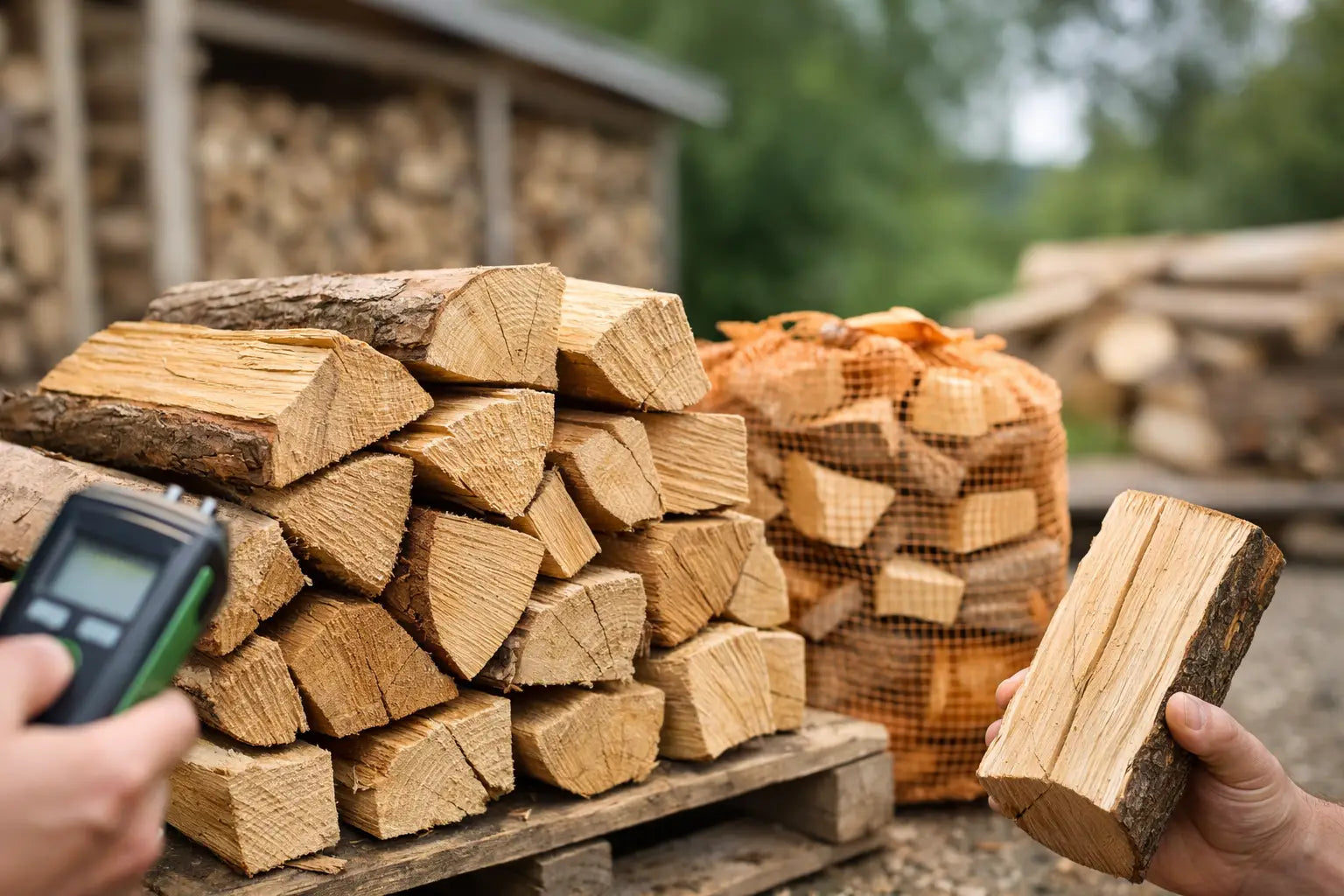
A stove that struggles to light, blackens the glass and leaves you with more ash than heat usually points to one thing - poor firewood. The best kiln dried logs burn hotter, cleaner and more predictably because the moisture has already been reduced to below 20%. That means less time coaxing a fire into life and less money wasted on wood that hisses, smokes and underperforms.
For most UK households, buying logs is not about romance or rustic charm. It is a practical heating decision. You want fuel that arrives ready to burn, stores well, complies with current standards and gives consistent performance whether you are lighting a small evening fire or heating the room properly through winter.
What makes the best kiln dried logs?
The short answer is not just dryness. Moisture content matters most, but the best kiln dried logs also need the right species, sensible sizing, clean processing and dependable packing. If one of those is off, the firewood may still be usable, but it is less likely to give you the steady burn and value you expect.
Moisture content below 20% is the baseline. In the UK, that is the level most buyers should look for because it supports cleaner combustion and aligns with Ready to Burn expectations. Wet or borderline wood wastes energy evaporating water before the log can produce useful heat. That is when you get sluggish flames, excess smoke and soot building up in the appliance and flue.
Good kiln drying also creates consistency. Properly dried logs are more predictable from one order to the next, which matters if you rely on your stove regularly. You should not have to sort through a delivery separating the usable pieces from the ones that still feel green or heavy with moisture.
Why wood species still matters
Not all kiln dried logs burn in the same way. Drying improves performance, but species still affects heat output, flame character, burn speed and how often you need to refuel.
Hardwoods are often the first choice for domestic stoves because they tend to be denser and longer burning. Oak, hornbeam and ash are strong options when you want a more sustained fire and good heat retention. Birch is popular because it catches well, burns cleanly and produces lively flames, making it useful for both starting and maintaining a fire. Alder can be a practical choice too, especially if you want a dependable, easy-burning log for regular use.
There is no single best species for every home. If you like a fire that lights quickly and looks active, birch may suit you better than a very dense hardwood. If your priority is longer burn time and fewer reloads, oak or hornbeam may be the better fit. In many cases, the best kiln dried logs are the ones that match how you actually use your stove rather than the ones with the hardest wood on paper.
Birch, ash, oak, alder and hornbeam compared
Birch is often chosen for its clean burn and quick lighting qualities. It is a good all-rounder for households that want convenience without sacrificing heat. Ash has a strong reputation for steady burning and reliable output, which is why it remains a favourite among regular stove users.
Oak burns well and offers strong heat, but because it is dense, some users prefer to pair it with quicker-lighting wood when starting a fire. Alder is lighter and easy to handle, often making it a sensible option for frequent use. Hornbeam is very dense and valued for longer-lasting fires, particularly where sustained warmth matters more than quick flame response.
The signs of poor-quality kiln dried logs
Many buyers assume that if a product is labelled kiln dried, quality is guaranteed. It is not always that simple. Drying is a process, but quality depends on how well that process is managed and how carefully the logs are stored and packed afterwards.
If logs feel unusually heavy for their size, show obvious mould, or arrive with excessive bark, debris and broken pieces, quality may be inconsistent. Another common issue is uneven sizing. Logs that are too large for your stove are frustrating, but so are loads filled with small offcuts that burn away too fast.
Packaging can also tell you a lot. Well-packed logs in crates, net bags, bags or fire-box formats tend to keep their condition better in storage and transport. Loose, poorly protected loads are more likely to pick up moisture again if they are left exposed during handling.
Best kiln dried logs for different types of buyer
The right choice depends on how much fuel you use and how you prefer it delivered. Someone lighting a log burner at weekends has different needs from a household that depends on solid fuel through colder months.
If you burn wood occasionally, smaller packs can make more sense. Net bags, plastic bags or compact fire-box packs are easier to store, simpler to move through the house and help you avoid over-ordering. If you use your stove most days, larger formats such as hard crates or pallet quantities usually offer better value over time and reduce the hassle of frequent reordering.
Trade and small commercial users often need something else again: volume, consistency and a delivery model they can rely on. In that case, the best kiln dried logs are not just about flame quality. They also need to arrive on time, in clearly defined quantities, with transparent pricing that makes stock planning easier.
How to judge value, not just price
Cheap logs are rarely cheap if they burn fast, arrive damp or leave you cleaning the stove more often. A lower headline price can be misleading when the volume is unclear or the quality is inconsistent.
A better way to compare is by looking at moisture level, species, pack format and the actual amount of wood supplied. Volumetric pricing is useful because it gives a clearer picture of what you are paying for. A neatly presented product listing with loose volume or cubic metre guidance is usually more helpful than a vague bag description with no proper specification.
Delivery also affects value. If delivery charges are added late in the process, the cheapest option may stop looking competitive very quickly. For many UK buyers, especially in rural areas, reliable nationwide delivery is part of the product, not an extra detail.
Ready to Burn certification and why it matters
Certification is not just a badge for the product page. Ready to Burn firewood gives buyers reassurance that the logs meet recognised moisture standards for domestic burning. That matters because cleaner fuel supports better appliance performance and helps reduce smoke and particulate pollution.
It also removes guesswork. If you are buying online rather than hand-picking logs from a local yard, you need confidence that the load arriving at your door is genuinely ready to use. Certification, clear specifications and a supplier with a structured product range all make that easier.
Storage still matters after delivery
Even the best kiln dried logs need proper storage once they arrive. If you leave them uncovered in the rain or stacked directly on damp ground, they can reabsorb moisture and lose the benefit of kiln drying.
Store logs in a dry, ventilated place with some protection from the weather. A log store with airflow is usually better than a sealed plastic container, which can trap condensation. Bringing in a small supply before use also helps, especially during very cold or wet spells.
What to look for when ordering online
Buying online should make life easier, not more uncertain. Clear product information matters. Look for species details, moisture content, pack size, estimated volume and delivery terms that are easy to understand.
It also helps to buy from a supplier that offers more than one format. That usually suggests a more established operation and gives you flexibility if your needs change through the year. A household testing kiln dried logs for the first time may start with smaller packs, then move to larger crate or pallet orders once they know what suits their stove and storage space.
For buyers who want dependable quality without unnecessary complication, Candowe keeps the decision straightforward with Ready to Burn certified logs, practical pack options, transparent quantities and free delivery across most mainland UK postcodes.
The best kiln dried logs are the ones that make heating simpler: dry enough to burn cleanly, well sized for your appliance, suited to the way you use your stove and supplied in a format that gives you clear value. If your fire lights easily, throws out steady heat and leaves less mess behind, you have chosen well.