Skip to content
Lekto Logs Alternative: What to Buy Instead
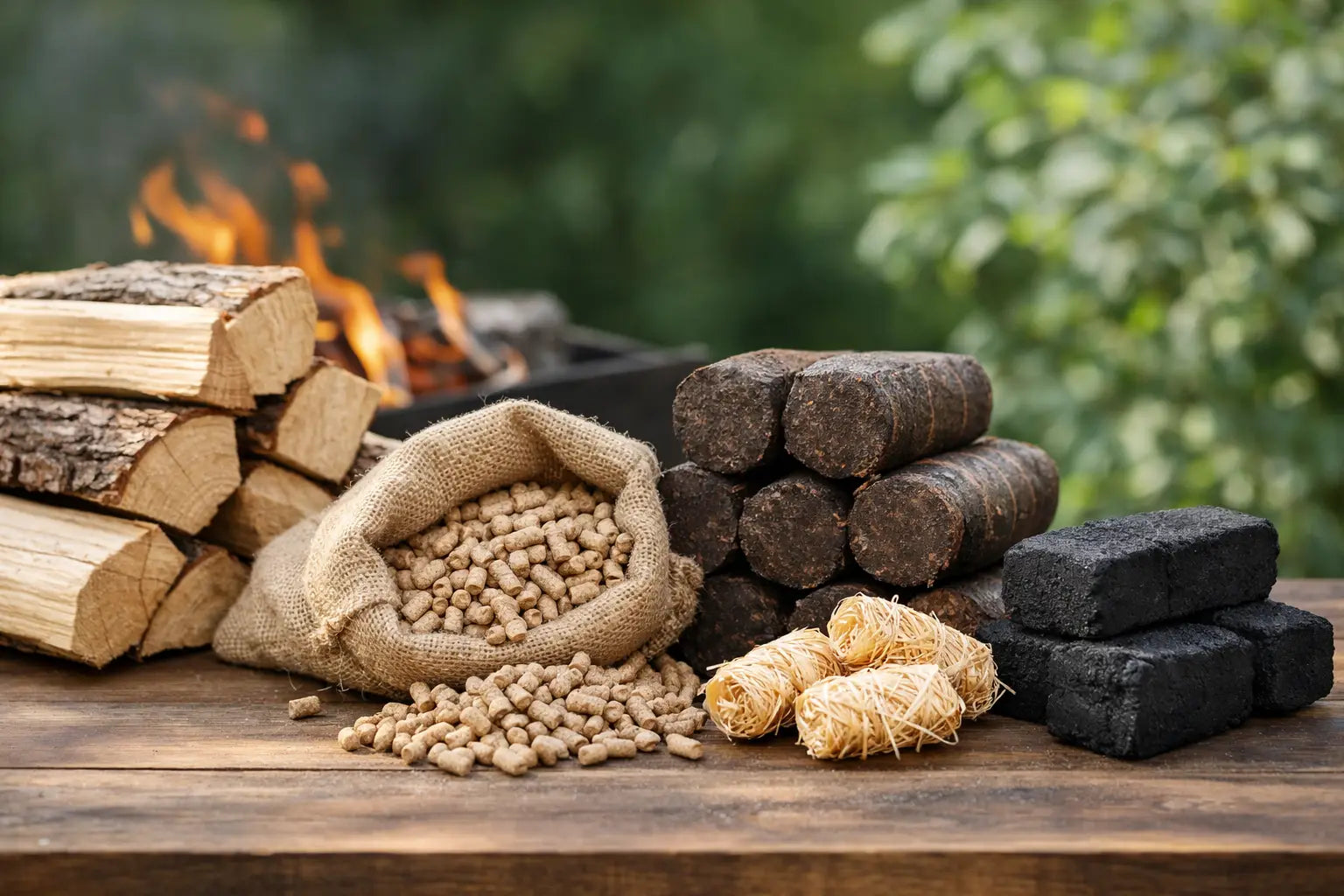
If you are searching for a lekto logs alternative, you are probably not looking for marketing claims. You want fuel that lights easily, burns cleanly, stores well and gives reliable heat for the money. That usually means comparing more than one type of fuel, because the best replacement depends on your appliance, how often you burn, and whether you value flame picture, long burn time or simple storage most.
Lekto products are often considered by stove owners who want a dry, compact and consistent fuel. The good news is that there is no shortage of alternatives in the UK. The less helpful news is that not all of them perform in the same way. Some are better for quick, lively heat. Some are better for overnight burn. Some save space but produce a different flame pattern from natural logs. A sensible choice starts with how you actually use your stove or fire.
What makes a good lekto logs alternative?
A worthwhile alternative should do three things well. First, it should be dry enough to burn efficiently. For wood fuel, that usually means moisture content below 20 per cent, ideally with Ready to Burn certification where relevant. Wet or poorly seasoned fuel wastes heat boiling off moisture, dirties the glass faster and increases the chance of soot and tar building up in the flue.
Second, it should be consistent. One reason many buyers move towards briquettes or kiln-dried logs is predictability. If every pack burns differently, it becomes harder to control room temperature or plan how much to order. Consistency matters just as much as headline price.
Third, it should suit your appliance. A closed wood-burning stove can handle fuels differently from an open fire, and a multi-fuel stove opens up further options such as smokeless coal or anthracite. That is where many comparisons go wrong. A fuel can be excellent on paper and still be the wrong fit in practice.
Best lekto logs alternative for most stove owners
For many households, the strongest alternative is kiln-dried hardwood logs. If you want a familiar flame, straightforward refuelling and a more traditional fire experience, kiln-dried birch, ash, hornbeam or oak are often the most natural step.
Birch is popular because it lights quickly and produces an attractive flame, which makes it useful for regular evening fires. Ash is known for reliable burning and good all-round performance. Oak and hornbeam are denser and can offer a slower, longer burn, although they may take a little more effort to get going from cold. That trade-off is often worth it if you want steady heat rather than a quick burst.
The key point is that kiln-drying gives you control. Properly dried logs arrive ready to use, with none of the uncertainty that comes with loosely described seasoned wood. For buyers who are tired of mixed loads and variable moisture, this is often the difference between a fire that behaves properly and one that constantly needs attention.
Briquettes as a lekto logs alternative
If the appeal of Lekto is compact storage and a neat, uniform fuel, briquettes are an obvious comparison. Wood briquettes are made from compressed sawdust or wood residues and tend to be very dry, dense and easy to stack. They are especially useful where storage space is limited, because they pack more neatly than loose logs.
In use, briquettes can produce strong heat output and a clean burn when used correctly. They are often excellent for bringing a stove up to temperature quickly. Some users also like the reduced mess compared with bark-covered logs. However, they do not always replicate the same look and feel as traditional firewood. Flame picture can be different, and some briquettes expand or break apart as they burn, depending on the format.
This is why briquettes suit some households better than others. If your priority is efficiency, tidy storage and predictable sizing, they are hard to ignore. If you care most about the look of a natural log fire, kiln-dried logs may still be the better fit.
Heat output and burn behaviour
Briquettes often give high heat for their size, but that does not automatically make them better value in every stove. Because they are dense and dry, they can burn very hot if over-loaded. In a small appliance, that can be less forgiving than natural logs. You need to use the right amount and follow the stove manufacturer’s guidance.
Logs are usually easier to manage visually. You can see how the fire is developing and add fuel gradually. Briquettes reward a slightly more controlled approach. For experienced stove users that is no problem, but newer buyers sometimes find logs more intuitive.
Storage and handling
This is where briquettes often win. They come in regular packs, are simple to stack and can be easier to keep dry in a garage, outbuilding or covered store. Logs need more volume and benefit from better airflow around the stack. If you are heating from a smaller property or do not want piles of loose wood to manage, briquettes make practical sense.
Smokeless fuel and anthracite for multi-fuel stoves
If you have a multi-fuel stove rather than a wood-only appliance, smokeless fuel or anthracite may also be worth considering as a lekto logs alternative. These fuels are less about recreating the wood-fire experience and more about controlled, longer-lasting heat.
Smokeless fuels can be a strong option for households looking for extended burn time and fewer refuels. They are also particularly relevant in smoke control areas, provided you are using an appropriate appliance and approved fuel. Anthracite is known for its high carbon content and strong, steady heat, but it does need the right grate and airflow setup.
The trade-off is simple. You get endurance and a different type of heating performance, but you lose some of the character of a log fire. For some homes that is a fair exchange, especially where the stove is doing serious heating work rather than occasional background use.
How to choose the right alternative for your home
The easiest way to narrow it down is to start with your routine. If you light the stove most evenings for comfort and atmosphere, kiln-dried logs are usually the most satisfying option. If you burn regularly and want cleaner storage with predictable performance, briquettes deserve close attention. If your stove is central to household heating and can burn mineral fuel, smokeless products may offer better staying power.
It is also worth thinking about order size. Small packs can seem convenient, but they are not always the best value over a winter. Bulk formats such as crates, larger bags or palletised loads often work out better per cubic metre or per usable kilogram, especially if you know your typical consumption. That only helps if quality is consistent, of course. Cheap fuel that burns badly is rarely cheap in real use.
Moisture content matters more than labels
A product name can sound premium without telling you much about burn quality. What matters more is whether the fuel is properly dried, clearly specified and suitable for your appliance. Ready to Burn certification is a useful trust signal for wood fuels because it confirms legal compliance and helps remove guesswork.
When comparing alternatives, look beyond broad claims such as long-lasting or high heat. Ask whether moisture content is stated, whether volumes are transparent and whether the format suits your storage space. Those practical details usually tell you more than branding ever will.
Do not ignore convenience
Reliable delivery is part of the product. Fuel that arrives late, damaged or damp creates the same problem as poor burning stock. For many UK households, especially in rural areas, the ability to order online, know the format, and receive it within a sensible timeframe is a major part of value. That is one reason many buyers move away from uncertain local supplies and towards structured online ranges from experienced suppliers such as Candowe.
The best choice depends on what you want from the fire
There is no single answer to the question of the best lekto logs alternative, because not every stove owner is solving the same problem. If you want the closest replacement for a traditional wood fire, choose quality kiln-dried logs with clear species and moisture information. If you want compact fuel with high consistency, briquettes are a serious option. If you need long, steady heat from a multi-fuel appliance, smokeless fuel or anthracite may suit you better.
The useful way to think about it is not what is marketed as premium, but what burns cleanly, stores sensibly and gives dependable heat in your home. Once you focus on that, the choice usually becomes much clearer - and your stove much easier to live with.
A good fire should not be a gamble. Buy for performance, not promise, and you will feel the difference every time you light it.