Skip to content
Smokeless Coal for Open Fire: What to Know
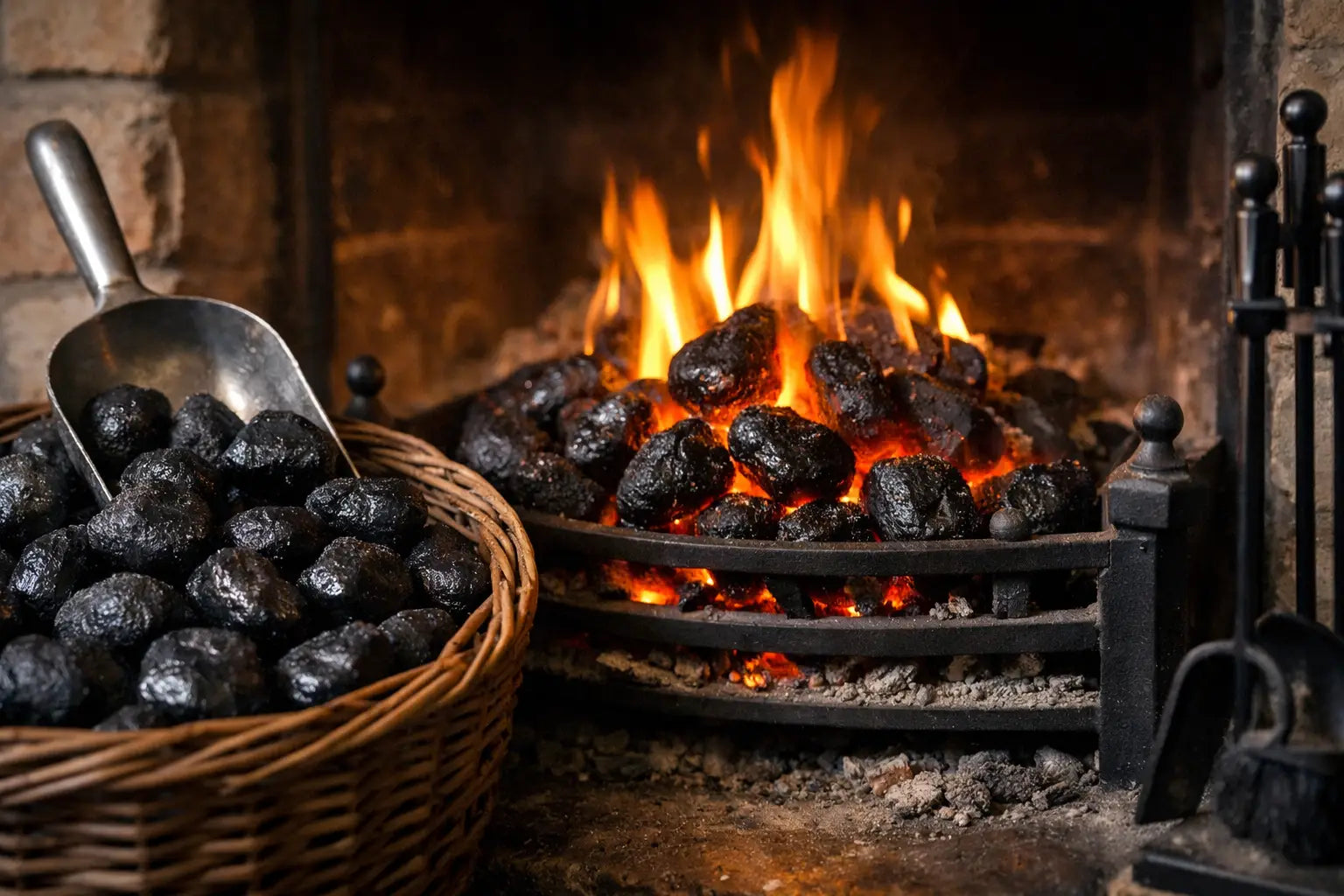
An open fire can look simple enough - grate, fuel, flame, heat. In practice, the fuel you choose makes a big difference to how well it burns, how much ash you deal with, and whether your fireplace is operating as it should. If you are considering smokeless coal for open fire use, the key question is not just whether it burns, but whether it is the right authorised fuel for your appliance, location and heating needs.
For many UK households, smokeless fuel is a practical choice because it offers a longer, steadier burn than standard logs alone and produces fewer visible emissions than traditional house coal. That matters if you want reliable heat, cleaner handling and a fuel that helps you stay on the right side of local air quality rules. It also matters if you are stocking up for winter and want something predictable.
Is smokeless coal suitable for an open fire?
In many cases, yes - but it depends on the type of open fire and the fuel itself. Not every solid fuel marketed as smokeless is automatically suitable for every grate or fireplace. Some products are designed for multifuel stoves, closed appliances or specific operating conditions, while others are made to perform well on an open grate.
The first thing to check is your fireplace manufacturer guidance, if you have it. Older fireplaces may not come with detailed paperwork, so the practical test is whether the grate and airflow are designed for mineral fuel as well as wood. Smokeless fuels generally need good under-fire air to burn properly. On an open fire with a suitable grate, they can provide a strong heat output and a more controlled burn than many people expect.
If you live in a Smoke Control Area, the distinction matters even more. Traditional house coal is restricted in many settings, while authorised smokeless fuels are designed to meet cleaner-burning requirements. That does not mean every product is interchangeable, but it does mean the right fuel can make open-fire heating simpler and more compliant.
Why choose smokeless coal for open fire heating?
The main reason is consistency. Smokeless fuel is manufactured to burn in a more controlled way, so you are less likely to get the rapid flare-up and quick collapse that can happen with poor-quality fuel. On an open fire, that usually means a steadier heat profile and fewer interruptions for refuelling.
It can also be a cleaner option to store and handle than some traditional coal products. Many homeowners want solid fuel that arrives ready to use, burns efficiently and does not create unnecessary mess around the hearth. Smokeless fuel supports that, especially when bought from a supplier that focuses on dependable quality and clear product specifications.
There is a cost question too. Smokeless fuels can have a higher upfront price than basic coal, but they often burn for longer and more evenly. Whether that works out better value depends on how you use your fire. If it is mainly for atmosphere at weekends, the economics may look different from a household that relies on an open fire for regular evening heat.
Smokeless coal for open fire use versus logs
This is where expectations matter. Logs and smokeless fuel do different jobs.
Kiln-dried logs are often preferred for quick ignition, bright flames and a more natural fire experience. They suit households that want responsive heat and lower moisture content for cleaner burning. Smokeless fuel, by contrast, is usually chosen for longevity, sustained heat and reduced visible smoke. If your goal is an open fire that keeps giving off useful heat over a longer period, smokeless fuel can be a sensible addition.
Many households use both. A common approach is to light the fire with kindling and dry logs, then add smokeless fuel once a hot bed has formed. That can help you get the appearance and easy lighting of wood with the staying power of a smokeless product. The trade-off is that you need to manage the fire correctly. Overloading the grate or restricting airflow too early can reduce performance.
How to burn smokeless coal on an open fire properly
A good result starts with the firebed. Open fires need airflow from below, so begin with a clean grate and remove excess ash from previous burns. Use kindling and suitable firelighters to establish a hot base. If you are using logs to get the fire going, make sure they are dry and ready to burn rather than damp or freshly cut.
Once the fire is established, add smokeless fuel in moderate amounts rather than piling it on all at once. That helps maintain airflow and allows the fuel to catch properly. Too much fuel too soon can cool the firebed and slow combustion.
As the fire develops, avoid smothering it with ash. A small amount can help maintain a firebed, but heavy ash build-up reduces airflow through the grate. With smokeless fuels, proper draught is a big part of getting the steady burn you are paying for.
Ventilation in the room matters as well. An open fire draws significant air, and poor ventilation can affect both performance and safety. If your chimney has not been swept recently, deal with that before the heating season starts. Even cleaner-burning fuels need a sound flue and reliable draw.
What to look for when buying smokeless fuel
The product description should tell you more than the bag name. You want clear information on intended appliance type, burn characteristics and practical format. For open-fire use, look for fuel sold as suitable for open fires or suitable for both open fires and multifuel appliances.
It also helps to think about delivery format and storage. If you are buying for regular household use, clean, stackable bags with clear weights make it easier to plan your fuel stock. If you use significant volumes through winter, palletised supply can make better sense for value and convenience.
Consistency matters more than novelty. A dependable smokeless fuel with reliable burn performance is usually a better buy than switching repeatedly between unknown products. That is one reason customers buying heating fuel online often prefer suppliers with a structured range, transparent sizing and reliable fulfilment rather than whatever happens to be available locally that week.
Common mistakes with smokeless coal for open fire setups
One of the most common problems is using the wrong fuel on the wrong appliance. An open fire may burn a wide range of solid fuels, but that does not mean all of them will burn efficiently or cleanly. If the fuel is intended for a stove and your grate setup is poor, performance may disappoint.
Another issue is expecting smokeless fuel to behave exactly like wood. It often takes longer to establish and does not always give the same lively flame pattern. That is not a fault - it is simply a different fuel with different strengths.
Storage gets overlooked too. Keep smokeless fuel dry and protected from the weather. While it is less vulnerable than logs in some respects, poor storage still creates unnecessary mess and makes handling less pleasant. A dry, accessible fuel store saves hassle when temperatures drop.
Finally, many people judge fuel too quickly. A weak start is often a lighting issue, not a product issue. If the firebed is not hot enough, the grate is choked with ash or the chimney draw is poor, even good fuel will struggle.
Safety, maintenance and local rules
Any open fire needs routine care. Have the chimney swept regularly, inspect the grate and fireback for wear, and use a carbon monoxide alarm in the room. Smokeless fuel can help reduce smoke output, but it is not a substitute for sound maintenance.
If you are in a Smoke Control Area, always check that the fuel you are buying is an authorised smokeless fuel and that your way of using it is appropriate. Rules exist for good reason, and they are increasingly relevant as households look for cleaner-burning ways to heat their homes.
For buyers who want less guesswork, sourcing from an established supplier helps. Candowe focuses on dependable, ready-to-use fuel with clear specifications and convenient delivery, which is exactly what most households need when they are planning ahead for colder weather rather than making a rushed purchase after the temperature drops.
Is it the right choice for your home?
Smokeless coal for open fire heating is often a good fit if you want longer burn times, dependable heat and a fuel that supports cleaner burning than traditional house coal. It is especially useful for households that use their fire regularly and want something more consistent than relying on logs alone.
That said, the best option depends on how you use your fireplace. If appearance and quick flame response matter most, kiln-dried logs may still be your first choice. If your priority is lasting heat through the evening, smokeless fuel may do more of the heavy lifting. For many homes, the most practical answer is not one or the other, but a sensible combination used properly.
A well-run open fire should feel straightforward, not temperamental. Choose the right fuel, store it properly, and give the fire the airflow and maintenance it needs - and your fireplace will reward you with steadier heat when you need it most.