Skip to content
Where to Buy Kiln Dried Firewood Near Me
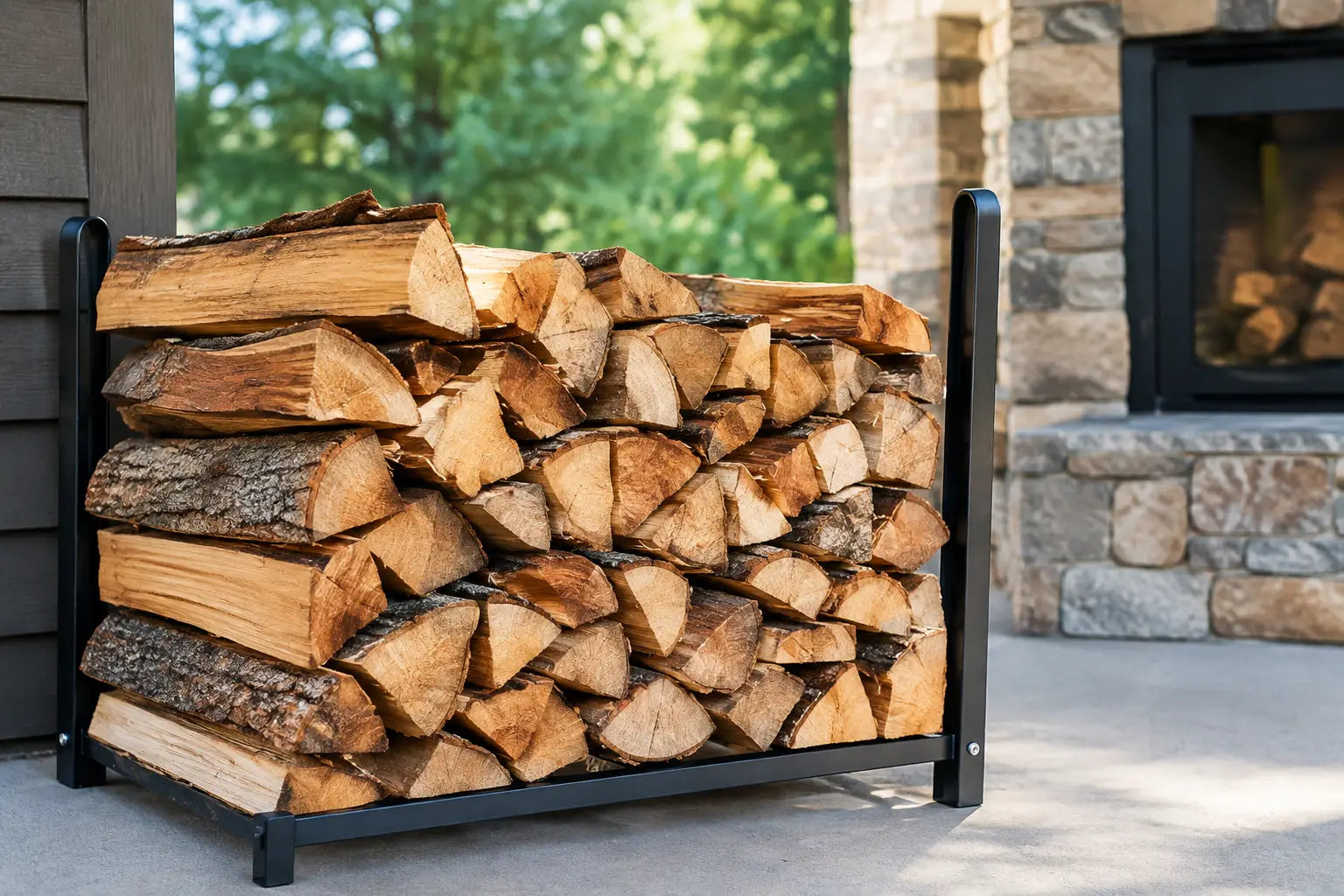
Searching for kiln dried firewood near me usually means you need more than a nearby seller. You need logs that arrive dry enough to burn well, are straightforward to store and represent fair value once delivery is included. A cheap load of damp, mixed-quality wood can quickly become false economy: it produces less heat, more smoke and more mess around the stove or fireplace.
Kiln-dried logs remove much of that uncertainty. The wood is dried in a controlled process to reduce its moisture content, rather than being left to season for an unpredictable length of time outdoors. For household use, this means fuel that is ready when colder weather arrives, with a cleaner and more reliable burn.
Kiln dried firewood near me means dependable delivery
“Near me” does not have to mean collecting a few bags from a forecourt. For many households, particularly in rural and suburban areas, the most practical local option is an established supplier that delivers to your postcode. Delivery gives you access to a wider choice of log species and pack sizes without trying to fit loose bags into the car.
When comparing suppliers, first check where they deliver, whether the delivery charge is included and how long fulfilment normally takes. A clear delivery promise matters when your log store is running low. It is also worth considering where a pallet or crate can be left safely and accessibly, especially if your property has a narrow drive, steps or restricted vehicle access.
Candowe supplies premium kiln-dried fuel across most mainland UK postcodes, with free delivery and typical fulfilment within three to four business days. That makes it easier to plan ahead rather than relying on inconsistent local stock when demand rises.
Start with moisture content, not appearance
The most useful number on a firewood listing is moisture content. Wood with a moisture level below 20% is dry enough to burn efficiently in a suitable appliance. It catches more easily, gives off more useful heat and produces less excess smoke than wet wood.
A log can look dry on the outside and still hold a great deal of water at its centre. That is why kiln drying and clear certification are more dependable than judging logs by colour, bark or a quick knock together. In England, wood sold in small quantities for domestic burning must meet the Ready to Burn standard if it is sold as dry fuel. Choosing Ready to Burn certified logs gives you practical reassurance that the product meets the required moisture level.
Dry fuel also helps protect the parts of your heating system that you cannot easily see. Burning wet wood can lead to more soot and tar deposits in the flue, increasing the need for cleaning and reducing stove efficiency. Kiln-dried logs are not a substitute for regular chimney sweeping or correct stove operation, but they are a sensible starting point for a cleaner fire.
Choose a wood species that suits your stove and routine
There is no single best firewood species for every home. The right choice depends on whether you want an easy everyday flame, a long evening burn or a compact pack for occasional use.
Birch is popular because it lights readily and produces a bright, attractive flame. It is a good choice for people who value convenience and want a responsive fire without a long wait. Alder also lights easily and burns cleanly, making it useful for regular stove use and for building a fire efficiently.
Oak, hornbeam and ash are denser hardwoods that generally provide a slower, longer-lasting burn. They are well suited to households using a log burner as a meaningful source of heat through the colder months. Dense logs can take a little more effort to establish, so use dry kindling and sufficient airflow when lighting them.
A mixed hardwood crate can be a practical option if you want a balance of easier-lighting logs and longer-burning pieces. If consistency is your priority, choosing a single species makes it simpler to learn how your stove responds and how quickly you use each load.
Log length matters as well. Measure the internal width and depth of your stove before ordering, allowing room for airflow around the logs. A log that is technically short enough to fit but leaves no space for air circulation can make lighting and burning harder than it needs to be.
Compare formats by volume and convenience
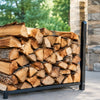
Firewood is sold in several formats, and the lowest headline price does not always provide the best value. Net bags and fire-box packs are convenient for smaller stores, occasional fires and carrying indoors. Crates provide a larger quantity in a tidy, stackable format and are often the better choice for regular users.
When reviewing products, look for the stated loose volume, crate dimensions or equivalent volume in cubic metres. Weight alone is not a reliable way to compare logs because species, log size and remaining moisture all affect it. Transparent volumetric information lets you compare like with like and calculate how much fuel your household is likely to need.
Think about your rate of use rather than buying solely for the next cold weekend. An occasional open fire may only need several bags on hand, while a stove used most evenings can justify a crate or pallet delivery. Bulk buying usually lowers the cost per unit, but only if you have a dry place to keep the fuel in good condition.
Check what is included before you order
A good fire needs more than logs. If you are starting from cold, dry kindling and reliable firelighters can make the process quicker and reduce the temptation to overload the fire with large logs. Some suppliers include kindling with selected crate orders, which is worth factoring into the overall value.
Before checkout, confirm the log species, pack format, moisture claim, certification and delivery arrangements. It is also useful to check whether the product is sold as a neat stacked volume or a loose-filled volume, as these are not directly identical measurements. Clear product specifications are a sign that a supplier understands how customers compare fuel.
For homes with more than one heating appliance, consider whether complementary fuels are useful. Wood pellets suit compatible pellet appliances, while briquettes can offer a compact, consistent option for some solid-fuel stoves. Smokeless coal and anthracite are different products again and should only be used in appliances designed for them. Always follow the stove manufacturer’s fuel guidance.
Store kiln-dried logs properly after delivery
Even the best kiln-dried logs can take on moisture if they are stored badly. Keep them raised off the ground, protected from rain and open at the sides or front so air can circulate. A covered log store, sheltered rack or dry garage area can work well, provided the wood is not sealed into a damp space.
Avoid covering a full stack tightly with a waterproof sheet. Rain may be kept out, but trapped condensation can affect the outer logs and reduce airflow. Cover the top, leave the sides ventilated and bring a small supply indoors only when you are ready to use it.
Do not stack a large quantity directly against an external wall if it could restrict ventilation or create a damp spot. Keeping a little gap behind the stack is usually sensible. For indoor storage, use a log basket or small rack near the stove, but leave safe clearance from hot surfaces and never obstruct exits.
When a local bargain is not the cheaper option
A low price can be tempting, especially when logs are advertised as “seasoned”. Seasoned wood can be perfectly suitable, but the term alone does not guarantee a consistent moisture content. Its dryness depends on how it was split, stacked, covered and stored, as well as how long it has been drying.
Ask direct questions if the listing is unclear: what is the moisture level, is the fuel Ready to Burn certified, what volume will arrive, and is delivery included? If those answers are vague, comparison is difficult. Paying a little more for clearly specified kiln-dried logs may save money through better heat output, easier lighting and less waste.
Plan your next order before the log store is empty
The best time to search for kiln-dried firewood is before you urgently need it. Ordering while you still have a buffer gives you more choice of species, formats and delivery dates. It also lets you store the new fuel correctly rather than leaving it exposed while you make space.
A reliable supply starts with dry, certified logs, honest volume information and delivery that works for your property. Choose the format that matches your storage and usage, keep a little kindling in reserve, and your stove will be ready for the evenings when dependable heat matters most.