Skip to content
Kiln Dried Logs for Log Burner Use
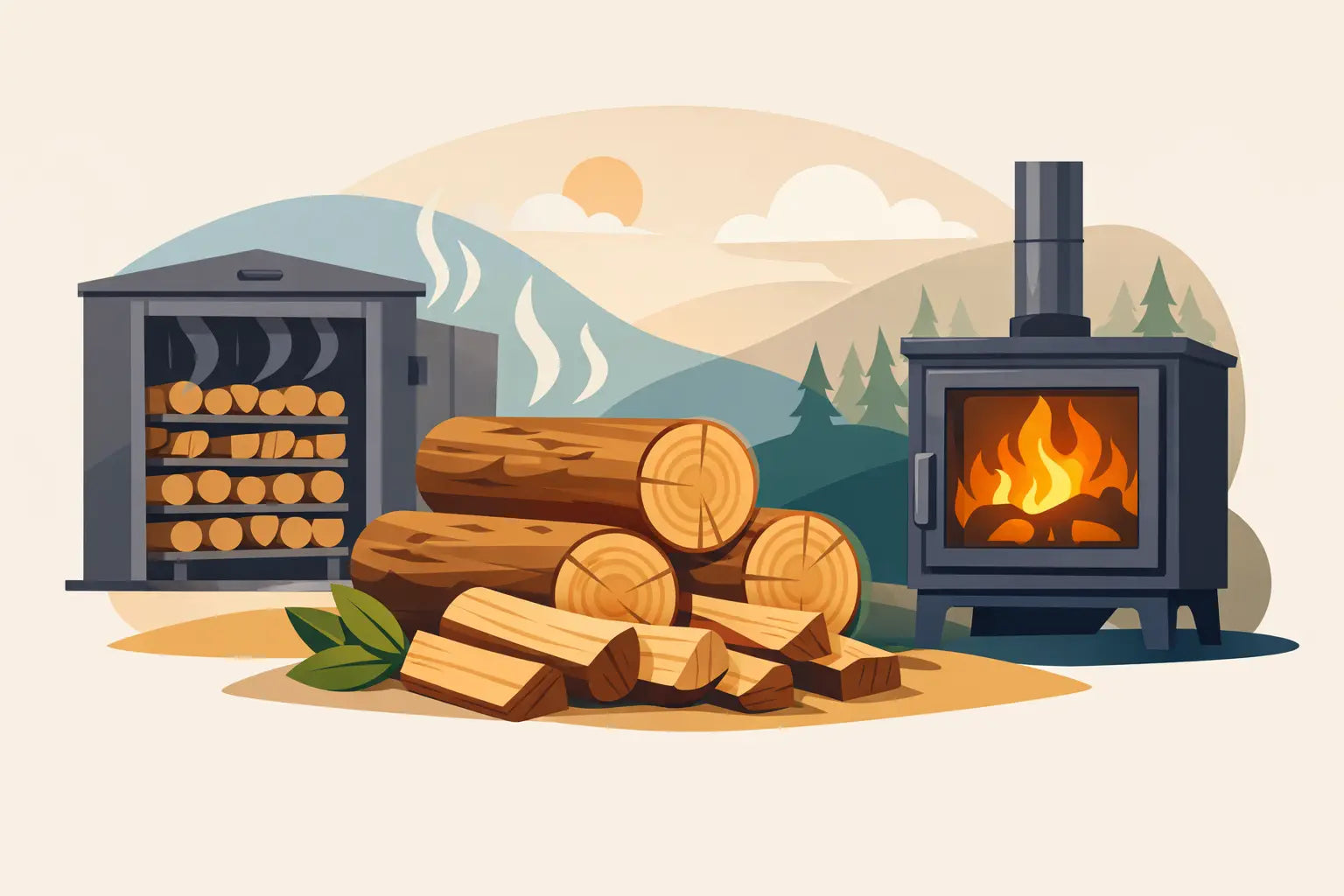
A log burner quickly shows up poor firewood. If the glass blacks over, the flame struggles or you find yourself feeding the stove far too often, the problem is often not the appliance at all. It is the fuel. Choosing kiln-dried logs for log burner use is one of the simplest ways to get steadier heat, a cleaner burn and less day-to-day hassle.
For most households, that matters more than any sales claim on a pack. Good logs should light without a fight, produce reliable heat and leave less mess behind. When the wood is properly dried to below 20% moisture, that is exactly what you get.
Why kiln-dried logs for log burner performance matter
A log burner works best when the fuel is dry enough to burn efficiently from the start. Wet or poorly seasoned wood wastes energy because the stove has to drive off excess moisture before the log can really catch and produce heat. That means more smoke, more soot and less useful warmth in the room.
Kiln-dried logs are dried in controlled conditions to bring moisture content down to a consistent level, usually below the 20% threshold required for Ready to Burn firewood. That consistency is the real advantage. You are not guessing whether one bag will burn well and the next will struggle. The logs arrive ready to use, which is particularly useful if you rely on your stove as a regular heat source rather than an occasional extra.
Drier wood also supports better combustion. In practical terms, that means brighter flames, stronger heat output and less residue building up inside the stove and flue. Over time, that can help reduce maintenance issues caused by damp fuel, especially the tar and creosote deposits associated with smoky burning.
What makes a good kiln-dried log
Not all logs perform in the same way, even when they are properly dried. Species matters, log size matters and packaging matters more than many buyers expect.
Hardwoods such as oak, ash, hornbeam and birch are popular for log burners because they offer a dense, steady burn. Oak and hornbeam tend to last well and suit users who want long burn times. Birch is often favoured because it lights easily and burns cleanly, making it a practical everyday option. Ash is a dependable all-rounder that gives strong heat and consistent performance. Alder can also be a good choice where a lighter, easier-burning log is preferred.
The best option depends on how you use your stove. If you are lighting short evening fires, a log that catches quickly may suit you better than one designed for slow, long-lasting output. If the burner is supporting home heating for extended periods, denser hardwoods can offer better value because they burn for longer.
Size is just as important. Logs that are too large for the firebox restrict airflow and make loading awkward. Logs that are too small may burn quickly and require more frequent refuelling. A well-cut load with consistent dimensions makes stove operation easier and more efficient.
Moisture content is not a small detail
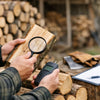
Moisture content is one of the clearest indicators of firewood quality. Logs below 20% moisture are considered suitable for immediate burning in domestic appliances. Above that level, performance becomes less predictable.
The issue is not simply that wet logs are harder to light. They can also reduce heat output significantly. A portion of the energy released by combustion is spent evaporating water rather than heating your home. That can leave users thinking they need more fuel, when the real issue is fuel quality.
This is why certified dry firewood matters. Ready to Burn certification gives buyers a straightforward level of reassurance that the logs meet recognised moisture standards. For anyone buying online or in larger quantities, that consistency helps remove guesswork.
How kiln-dried logs compare with seasoned logs
Seasoned logs can burn well if they have been stored properly for long enough in suitable conditions. The difficulty is that seasoning is less controlled. One supplier's seasoned logs may be genuinely dry, while another's may still hold too much moisture, especially after poor storage or a damp spell.
Kiln-dried logs offer a more dependable starting point. They have been dried in a controlled environment rather than left to air dry over time. That usually means lower and more consistent moisture content throughout the load.
There is a cost difference in some cases, and that is where the trade-off sits. Kiln-dried logs can look more expensive at first glance than loosely described seasoned wood. But if they burn hotter, more cleanly and with less waste, the value picture often changes. Many stove users would rather pay for fuel that performs properly than buy cheaper wood that burns badly and disappears quickly.
Choosing the right format for your home
Buying the right type of log is only part of the decision. The format matters too. Some households want net bags or smaller packs that are easy to move and store near the stove. Others want larger crates or palletised quantities that offer better value over the season.
Smaller packs work well where storage is limited or access is tight. They are practical for occasional stove users or for households that want to top up supplies little and often. Larger volumes are generally better for regular burners who want consistent stock on hand through colder months and prefer a clearer cost-per-cubic-metre comparison.
This is where transparent volumetric pricing makes a real difference. It helps buyers compare like for like rather than trying to judge value from pack photos or unclear bundle descriptions. For trade users and bulk domestic buyers, that clarity is especially important.
Storage still matters after delivery
Even the best kiln-dried logs can lose their advantage if they are stored badly. Once delivered, they should be kept in a dry, ventilated place with protection from direct rain. A garage, log store or covered outdoor area with airflow is usually suitable.
What you want to avoid is trapping moisture around the wood. A sealed, damp shed or a stack left directly on wet ground can undo the benefit of buying dry fuel in the first place. Raised storage and air circulation are more important than overcomplicating the setup.
It also helps to bring a small amount indoors ahead of use, particularly in colder weather. That keeps the logs at a stable temperature and makes lighting easier.
Cleaner burning means more than convenience
For most buyers, the first benefit they notice is practical. The fire lights more easily, the stove window stays clearer and there is less ash to deal with. But cleaner burning also has wider importance.
Burning drier wood helps reduce smoke and particulate emissions compared with wet fuel. It supports better appliance efficiency and aligns with the standards expected of responsible solid-fuel use in the UK. If you live in an area where smoke control rules apply, fuel quality becomes even more relevant.
This is also why many customers prefer to buy from specialist suppliers rather than take a chance on mixed loads from unknown sources. Reliable moisture levels, clear product descriptions and traceable sourcing are not extras. They are part of buying fuel that does the job properly.
How to tell if your current logs are letting you down
If your burner is underperforming, the signs are usually easy to spot. Slow ignition, excessive smoke, hissing logs and darkened stove glass all point towards wood that is too damp or inconsistent in quality. You may also notice a dull, sluggish flame and lower room heat than expected from the amount of fuel being used.
Sometimes the issue is mixed loads. A delivery may contain some decent logs and some that clearly are not ready to burn. That inconsistency makes stove control frustrating. One evening the fire behaves well, the next it struggles for no obvious reason.
Switching to a reliable kiln-dried product often solves that immediately. The stove becomes easier to manage because the fuel behaves more predictably.
Buying with confidence online
Ordering fuel online should make life easier, not harder. Buyers need clear information on species, pack format, moisture level and delivery expectations. Without that, it is difficult to compare products properly or work out what represents genuine value.
For domestic and trade customers alike, the strongest suppliers are the ones that set out the details plainly - how the logs are packed, what volume is being supplied, whether the wood is certified dry and how quickly it can be delivered. That practical clarity matters just as much as price.
Candowe is built around that approach, with premium kiln-dried firewood, straightforward product comparisons and dependable delivery across most mainland UK postcodes. For households that want to avoid uncertain local supply, that kind of consistency can make winter fuel planning much simpler.
The best firewood purchase is rarely the one with the loudest claim. It is the one that arrives dry, burns cleanly and gives you the heat you expected without fuss. If your stove is a serious part of your home heating, choosing the right logs is not a small decision - it is the difference between working around your fuel and relying on it.