EMAIL US
 WhatsApp
 FREE DELIVERY TO 95% OF UK POST CODES




Firewood Crates Near Me for Reliable Heat

A search for firewood crates near me usually starts when the log basket is running low and local choices feel uncertain. You may find loose loads with no clear volume, bags that burn too quickly, or timber that looks dry but hisses in the stove. A crate of kiln-dried logs removes much of that uncertainty: it gives you a known quantity of properly prepared fuel, delivered to your home and ready to burn.
For households that rely on a stove, fireplace or log burner through the colder months, buying by the crate is often the practical middle ground. It provides enough fuel to plan ahead without the repeated cost and inconvenience of small bags.
Why firewood crates are worth considering
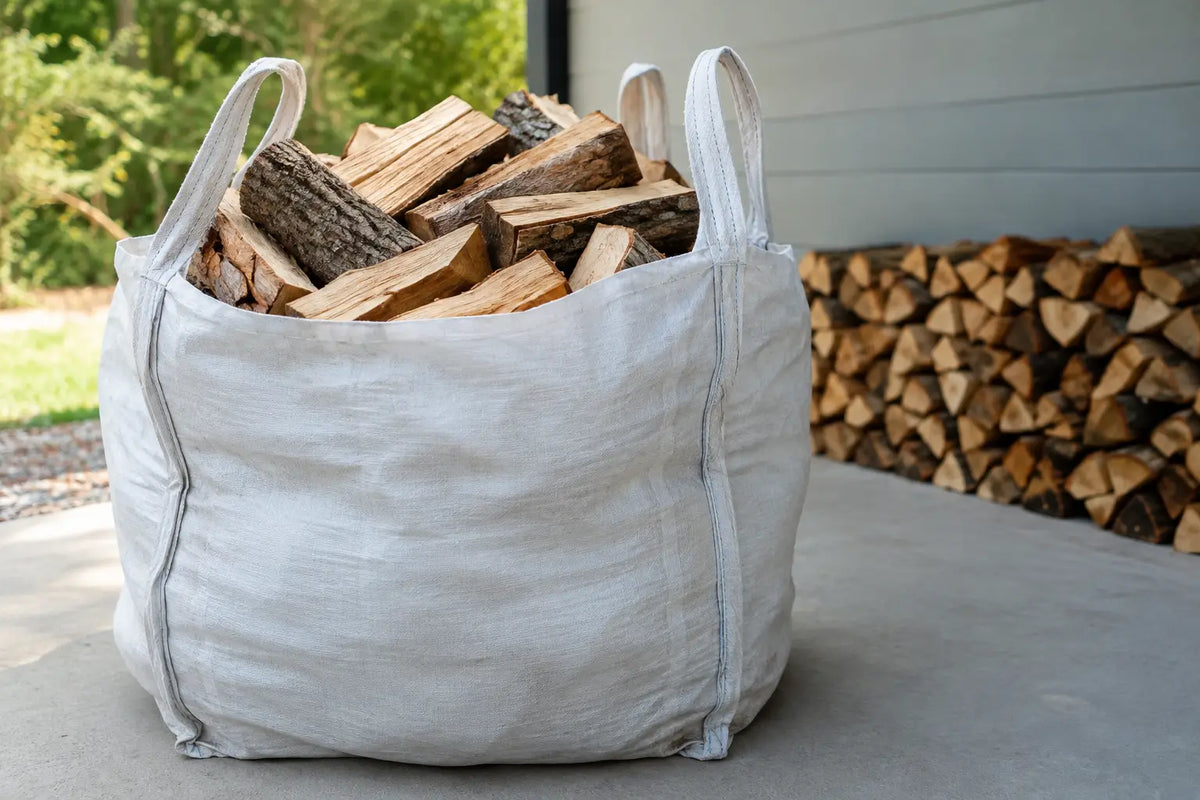
A firewood crate is a palletised supply of logs, generally packed in a rigid wooden crate for transport and storage. Unlike a loose tipped load, the logs are contained, the volume can be stated clearly, and the delivery is easier to manage. The crate is placed on a suitable accessible surface, leaving you with a tidy, substantial fuel supply rather than a pile to move straight away.
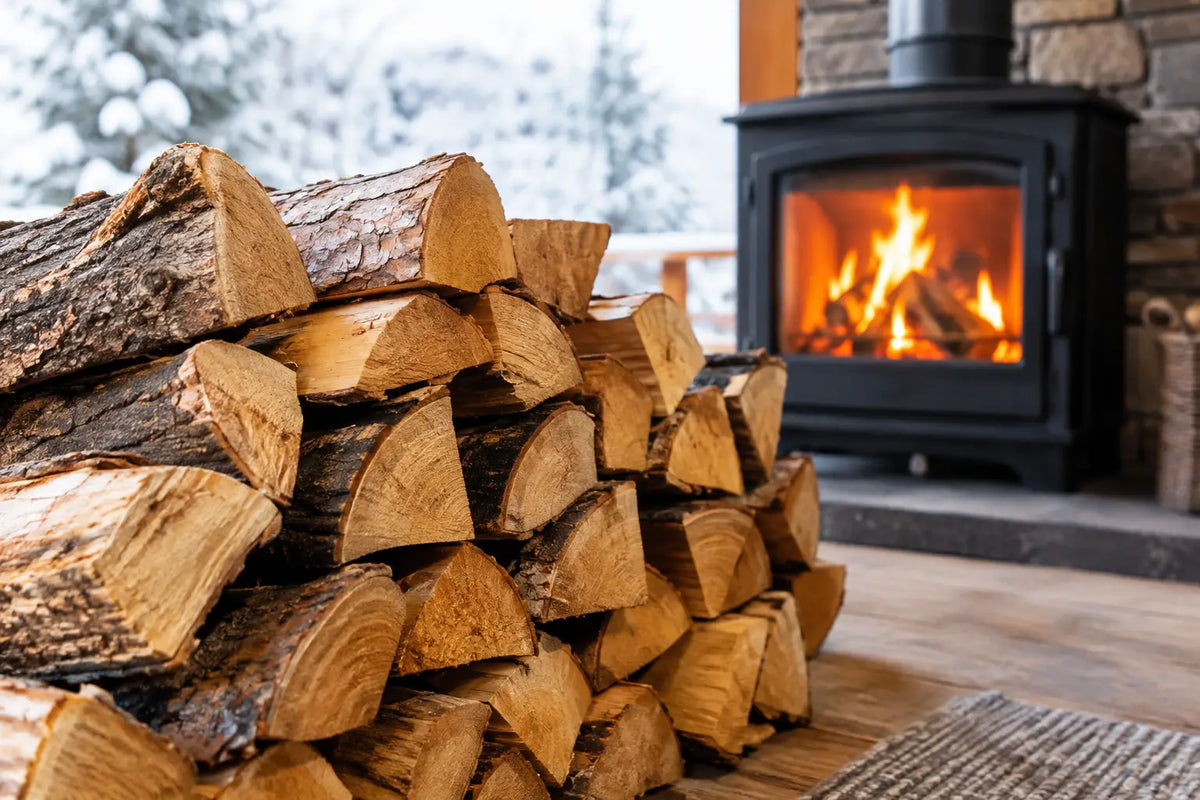
The main benefit is consistency. Good kiln-dried firewood has a moisture content below 20%, which means it lights more readily, produces useful heat and creates less smoke than wet or poorly seasoned wood. That matters for the comfort of your home, the cleanliness of your stove glass and the long-term condition of your flue.
Crates also make cost comparisons more honest. The price on a bag can appear low, but bags vary greatly in size and how tightly they are packed. When comparing crate options, look at the stated loose volume or price per cubic metre, not simply the number of logs shown in a photograph. A larger upfront order may offer better value per unit, particularly if wood is a regular part of your heating plan.
What to check when searching for firewood crates near me
“Near me” does not always mean you need a local timber yard. For palletised fuel, a dependable nationwide delivery service can be more useful than a nearby seller with limited stock, unclear drying standards or irregular opening hours. The right choice depends on the product specification and delivery arrangements, rather than the distance alone.
Moisture content and Ready to Burn status
For domestic wood fuel, dry logs should be the starting point. In England, wood sold in small volumes for domestic use must meet the Ready to Burn standard, confirming a moisture content of 20% or less. It is a straightforward sign that the fuel is suitable for immediate use in a stove or open fire.
Kiln drying provides greater consistency than relying on air seasoning alone. It reduces moisture under controlled conditions, so the wood arrives ready to use rather than needing months of drying space at home. If a supplier does not clearly state moisture content or certification, treat that as a reason to ask more questions before ordering.
Log species and how you use your stove
There is no single best firewood species for every household. Birch lights easily and gives a bright, responsive flame, making it a popular everyday choice. Alder is also easy to light and can suit smaller stoves or occasional fires. Oak, ash and hornbeam are denser hardwoods that tend to burn for longer, making them well suited to sustained heating.
Dense hardwoods can take a little longer to establish, so kindling and firelighters are useful for starting the fire. Birch can be more convenient where quick heat and easy lighting are the priority. Many households choose a crate based on a balance of burn time, flame characteristics and budget, rather than species alone.
Crate size, stated volume and storage space
Before ordering, assess both how much fuel you need and where it will go. A full crate can be a sensible purchase for frequent stove users, but only if you have a dry, ventilated place to store it. Measure the intended area and allow room to access the crate and stack logs safely.
Volume descriptions should be transparent. A supplier may describe packed volume, loose volume or the crate’s external dimensions, and these are not always the same thing. Loose volume is especially helpful because it reflects the space the logs will occupy once stacked or tipped out. Clear product specifications let you compare crates fairly across different log lengths and species.
Delivery access before you buy
Pallet deliveries are efficient, but access needs consideration. The delivery vehicle and pallet truck require a reasonably firm, level route. Gravel, steep slopes, narrow gates, steps and soft ground can limit how close the crate can be placed to your store.
Check the supplier’s delivery information before placing an order. If your property is difficult to access, knowing the likely drop point helps you prepare in advance. It may be worth having a wheelbarrow, gloves and a clear route ready, especially if the crate needs moving into a log store soon after delivery.
How much firewood does a household need?
Consumption varies considerably. A stove used for a few evenings each week will use far less fuel than one providing daily supplementary heat throughout autumn and winter. The size and efficiency of your appliance, insulation levels, room temperature and the length of the heating season all affect the answer.
As a practical approach, begin with your actual usage rather than a broad estimate. If you regularly buy net bags, note how many you use in a fortnight and convert that into a seasonal requirement. If this is your first year with a stove, a crate can be a manageable way to learn your usage pattern, provided you have suitable storage.
Avoid over-ordering solely because the unit price looks attractive. Dry logs need protecting from rain and ground moisture. A well-ventilated wood store with a roof, open sides or gaps for airflow, and logs raised off the ground will keep fuel in good condition. Covering the top is useful; wrapping the whole stack tightly in a waterproof sheet is not, as trapped moisture can encourage mould.
Crates, bags or loose loads: which format fits best?
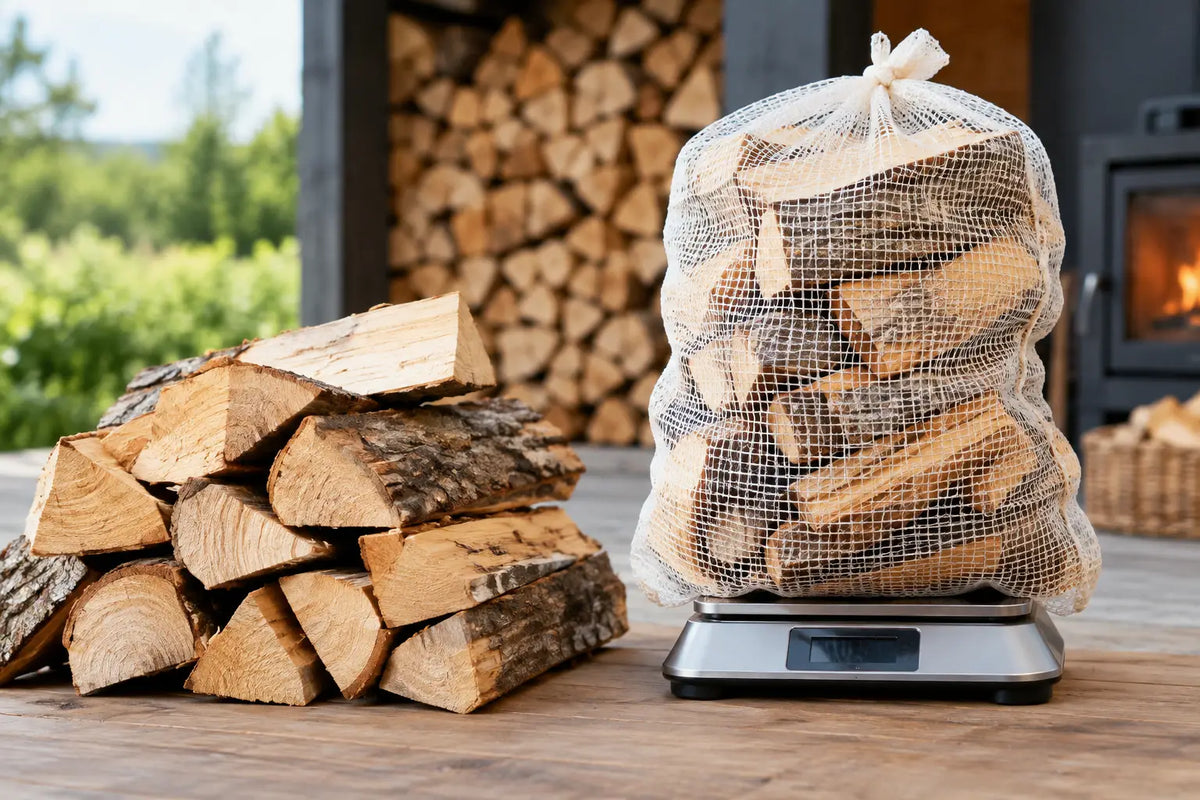
Small bags suit occasional fires, limited storage and households that want minimal handling. They are convenient, but normally cost more per cubic metre. Fire-box packs can be particularly useful for a weekend away, a single fireplace or keeping an emergency supply indoors.
Crates suit regular users who value a known volume, cleaner handling and the value that comes with buying in bulk. The initial outlay is higher, so it is best for buyers with storage space and confidence that they will use the fuel over the season.
Loose loads can work well for very high usage, but the quality and measurement need careful checking. Ask whether the logs are kiln-dried, what moisture level is guaranteed, how volume is measured and whether the wood will be tipped or stacked. For many domestic buyers, a crate offers the clearer and more manageable option.
Making a crate order go further
Burning dry wood efficiently is not only about the logs you buy. Use kindling to establish a hot fire quickly, then add logs gradually rather than filling the firebox at once. Keep air controls open during lighting and until the fire is burning cleanly, following your appliance manufacturer’s instructions.
Do not restrict the air supply so much that the fire smoulders. Slow burning may seem economical, but a smoky fire wastes fuel and deposits more residue in the flue. A clean-burning fire with dry logs will generally provide more useful heat from each load.
It also pays to keep a small reserve. Ordering when you have a few weeks of fuel remaining gives you choice, rather than forcing a rushed purchase during a cold spell. Candowe supplies kiln-dried, Ready to Burn logs in crate and bag formats, with clear product information to help households select the right quantity for their stove and storage space.
A well-chosen crate should make winter heating simpler: dry logs, a clear quantity, safe storage and a delivery plan that works for your property. Prepare the space before it arrives, and you can enjoy a dependable fire without the uncertainty of chasing the next bag of wood.