EMAIL US
 WhatsApp
 FREE DELIVERY TO 95% OF UK POST CODES




Choosing Wood Burner Logs That Burn Better
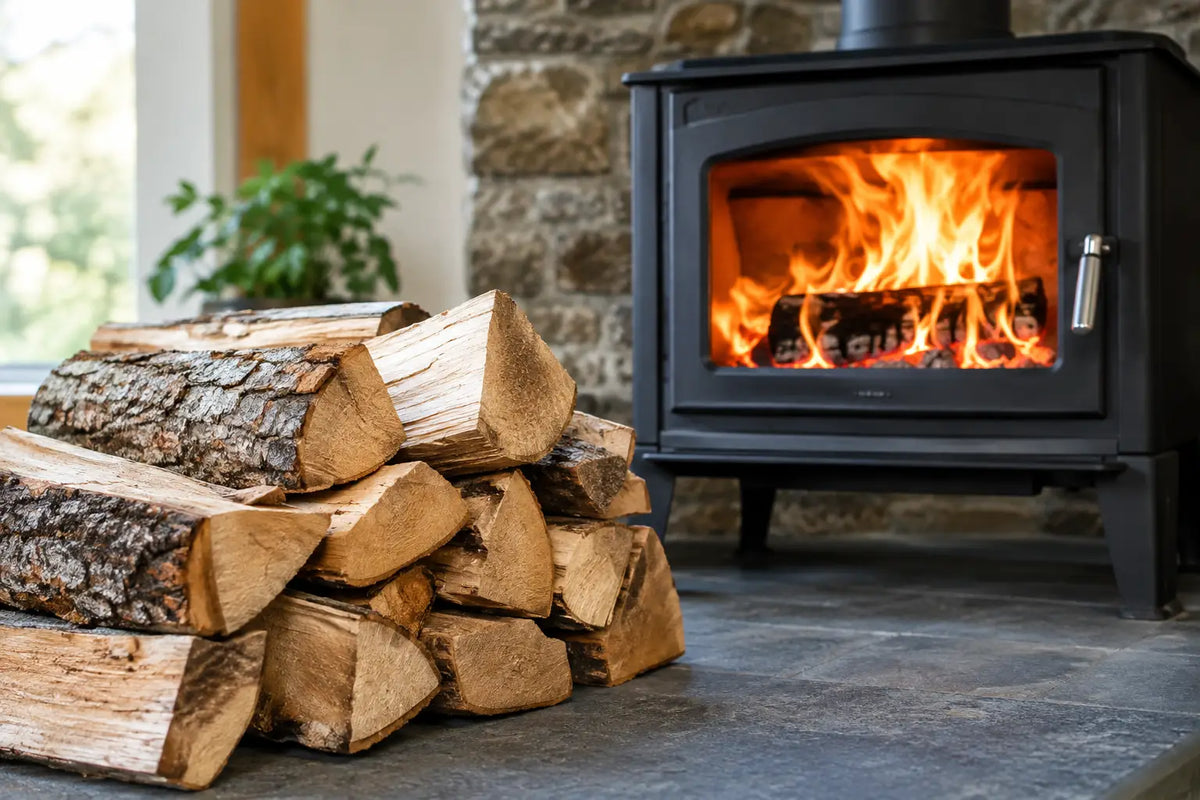
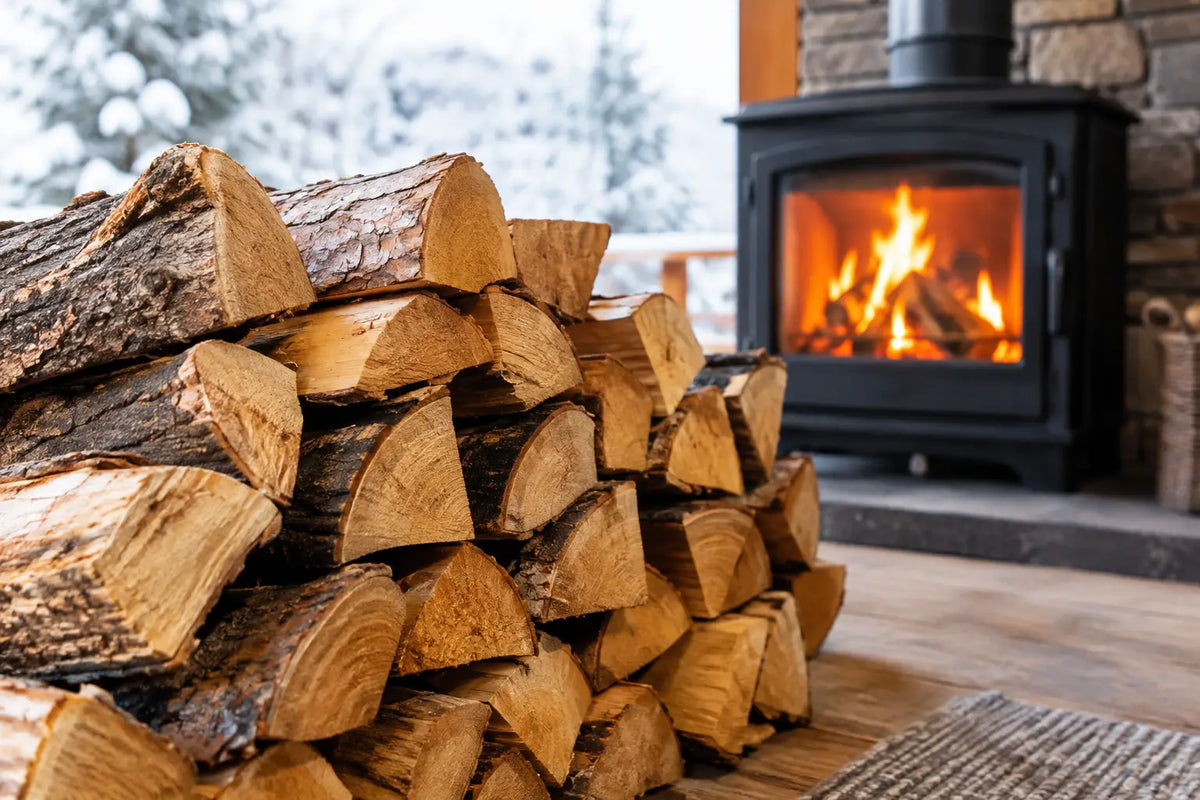
A stove that struggles to light, hisses while burning or leaves the glass black after one evening usually has one cause: the fuel is too wet. Good wood burner logs should arrive ready to use, produce steady heat and leave far less mess in the firebox. That starts with buying properly dried wood, not simply the cheapest logs available.
For UK households relying on a log burner through autumn and winter, firewood quality affects more than comfort. It influences how much fuel you use, how often you clean the appliance and how confidently you can keep a safe, efficient fire. The right choice is not always the hardest or largest log. It is the log that suits your stove, storage space and usual heating routine.
What makes good wood burner logs?
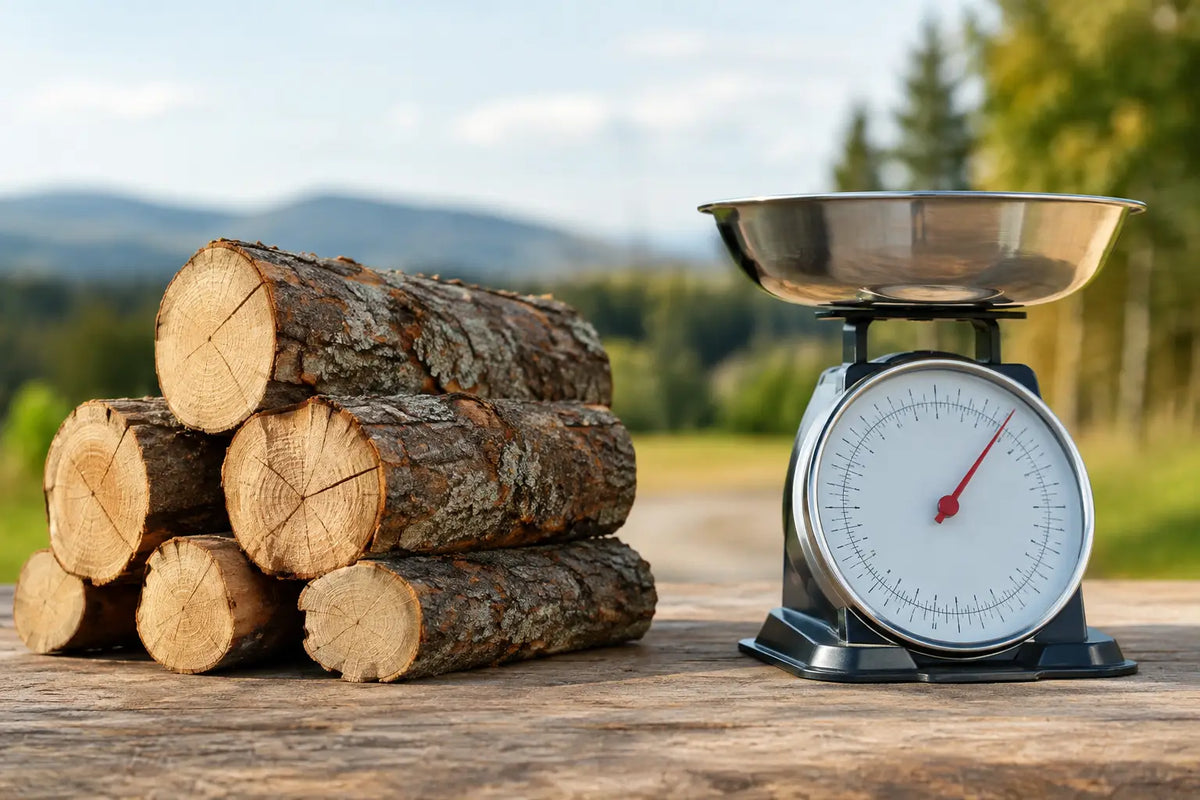
The most useful measure of firewood quality is moisture content. Freshly cut timber can hold a large amount of water, and much of the heat from burning wet logs is wasted boiling that water away. The result is a weak flame, excess smoke, blackened stove glass and deposits in the flue.
For domestic use, choose kiln-dried logs with a moisture content below 20%. Ready to Burn certified fuel gives an additional level of reassurance that the wood meets the required standard for clean, efficient home burning. Kiln drying removes moisture in controlled conditions, so the logs are consistently dry when delivered rather than relying on a long and uncertain seasoning period at home.
Dry logs also make day-to-day stove use easier. They light more readily with kindling and a firelighter, respond better to airflow and provide more usable heat from each load. You may pay more upfront than for unseasoned or loosely described "seasoned" logs, but the comparison should be based on heat delivered, not just the price of a bag or crate.
Log size matters too. Most household wood burners take logs around 25 cm long, but stove fireboxes vary. Check your appliance manual or measure the internal width before ordering. Logs that are too long are awkward to arrange and can restrict airflow, while very small logs burn quickly and may need topping up more often.
Choose a species to suit how you heat
Different woods have different burning characteristics. Density, bark content, split size and dryness all influence performance, so there is no single best species for every household.
Birch is a popular everyday choice because it lights easily, produces a bright flame and gives good heat quickly. Its bark can help it catch well, making it particularly useful for lighting a new fire or for households that want straightforward, reliable performance. It burns faster than denser hardwoods, so it may not be the best choice if your priority is the longest possible burn from each load.
Ash is widely valued as a balanced firewood. Properly dried ash lights well, burns steadily and gives strong heat, making it suitable for regular stove use. It is a practical option for households wanting dependable logs without needing to manage a slower-burning fire.
Oak and hornbeam are denser hardwoods. They generally take a little longer to establish but can offer a longer-lasting, high-heat burn once the stove is up to temperature. They suit evening heating, larger rooms and users who prefer fewer refuels. Use sufficient kindling and smaller dry logs first, then add denser pieces once there is a good bed of embers.
Alder is a useful, easy-burning option that can be well suited to milder weather, smaller stoves or shorter fires. It is often chosen where quick warmth and uncomplicated lighting matter more than a very long burn.
Many households benefit from keeping more than one type of log. A quicker-lighting wood such as birch can get the fire established, while ash, oak or hornbeam can maintain the heat. The right mix depends on your appliance, room size and whether the stove is occasional comfort heating or part of your regular household heating plan.
Why dry fuel keeps your stove cleaner
A clean-burning fire needs adequate heat, dry fuel and enough air. Wet logs work against all three. They cool the fire as moisture evaporates, creating smoky combustion and more particulate matter. That smoke can settle on the glass, inside the flue and around the stove door.
Kiln-dried wood burner logs help the stove reach a cleaner operating temperature sooner. This does not remove the need for correct stove operation. Follow the manufacturer’s guidance, use the recommended air settings and avoid shutting the air supply down too early. A fire starved of oxygen will smoke and smoulder, even when the logs are dry.
Never burn painted, treated or varnished timber, old furniture, chipboard, MDF, plywood or household waste. These materials can release harmful fumes and leave damaging residues. Fuel intended for a wood burner should be clean, untreated firewood from a known source.
If you live in a smoke control area, check that your appliance and fuel use comply with local requirements. A modern exempt stove and dry authorised fuel are often central to compliant use, but the appliance instructions and local rules should always guide your decision.
Buying wood burner logs by format
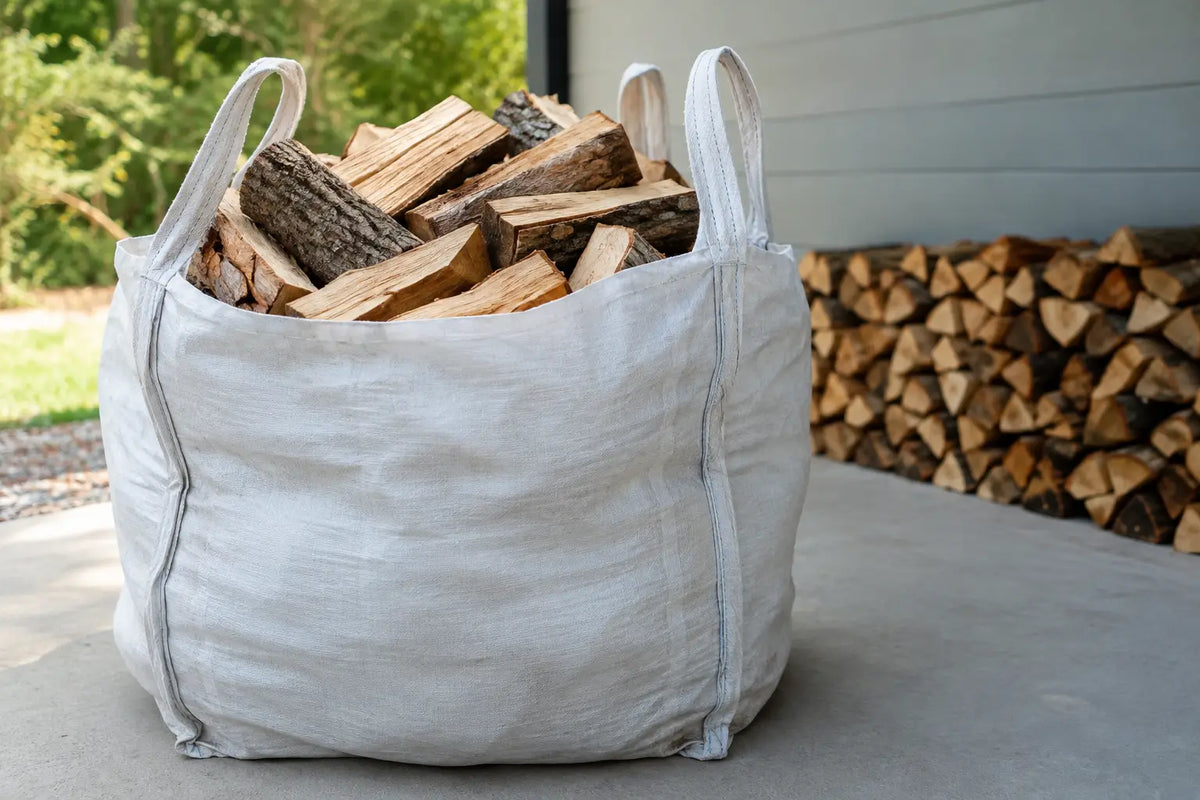
Firewood is sold in several formats, and the best value depends on how much you burn and where you can store it. A few bags may be convenient for occasional weekend fires, while a crate or pallet quantity can be more economical for a household using its stove throughout the heating season.
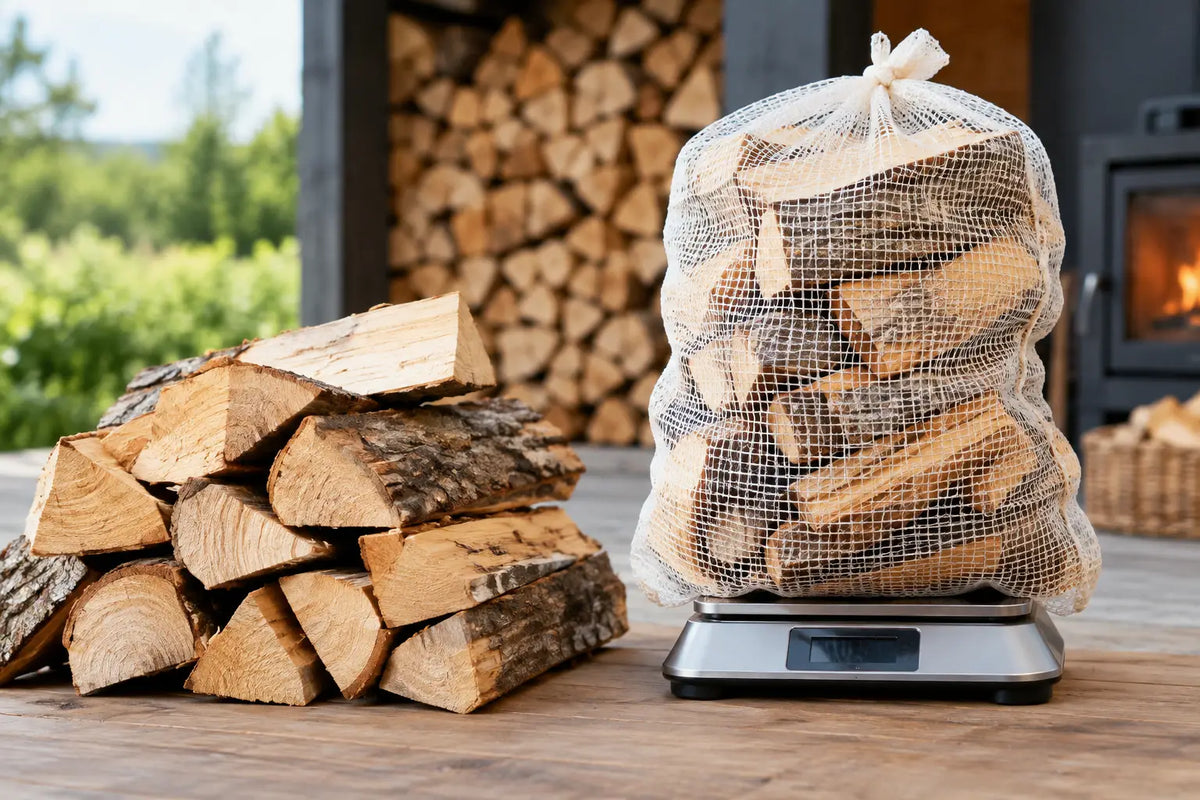
Net bags and plastic bags are easy to carry and store near the house. They are a sensible option where space is limited or you are trying a new species for the first time. Fire-box packs offer similar convenience, particularly for keeping a tidy supply by the stove.
Crates provide a larger quantity and make it easier to plan ahead. They are commonly preferred by regular users because the logs arrive contained, stack neatly and reduce the need to reorder frequently. For trade customers, holiday lets or homes with several stoves, palletised supplies can also make delivery and stock management more straightforward.
Do not compare products by bag count alone. Check the stated loose volume, dimensions or cubic-metre equivalent, as bag sizes vary considerably. Transparent volumetric information lets you compare like for like and work out how much wood your household actually uses over a month or season.
Before ordering a larger delivery, consider access. A pallet delivery needs a suitable, reasonably level place for the driver to unload. If your property has steps, loose gravel, a steep drive or restricted access, plan where the crate can be left and how you will move logs into storage. Candowe supplies kiln-dried, Ready to Burn firewood in convenient bag, box and crate formats, with delivery options designed for households buying fuel online.
Store logs well after delivery
Even premium kiln-dried wood needs sensible storage. The aim is to protect it from rain while allowing air to circulate. A covered log store, open-sided shelter or dry garage can work well. Avoid sealing logs in an airtight plastic container, as trapped moisture and poor airflow can cause problems.
Keep the fuel raised off the ground where possible. A pallet, slatted base or log rack helps air move underneath and prevents the bottom layer sitting in damp conditions. Position the main store away from external walls if practical, leaving room for ventilation.
For a steady supply beside the stove, bring in only a few days’ worth at a time. Indoor logs will be dry and ready when needed without creating unnecessary clutter or bringing a large quantity of bark and debris into the living space.
A practical storage check is simple:
- cover the top of the stack from rain and snow;
- leave the sides open enough for airflow;
- keep logs off wet ground;
- store kindling somewhere dry and accessible.
Make each load of logs work harder
Lighting technique has a real effect on fuel use. Build the fire with dry kindling and a firelighter, then use smaller split logs to establish a strong flame. Once the stove and flue are warm, add larger pieces without overfilling the firebox. Crowding the stove can restrict airflow and lead to incomplete combustion.
Use the air controls as your stove manufacturer recommends. A visible, lively flame is generally a better sign than a low, smoky smoulder. When the fire is established, adjust the controls gradually rather than closing them sharply. Every stove draws differently, particularly in windy weather or in well-insulated homes, so learn how your own appliance responds.
It is also worth keeping the glass, ash bed and flue maintained. Remove excess ash when the stove is cold, while leaving the amount recommended by the manufacturer if your model benefits from an ash bed. Arrange regular chimney sweeping, especially when the stove is used frequently. Clean fuel reduces deposits, but it does not replace proper maintenance.
The most dependable fire begins long before you strike a match. Buy dry, correctly sized logs from a reliable supplier, store them with airflow and match the species to the way you heat your home. On a cold evening, that preparation means less effort at the stove and more of the warmth you paid for.