EMAIL US
 WhatsApp
 FREE DELIVERY TO 95% OF UK POST CODES




Premium Crates: Better Value for Your Log Store

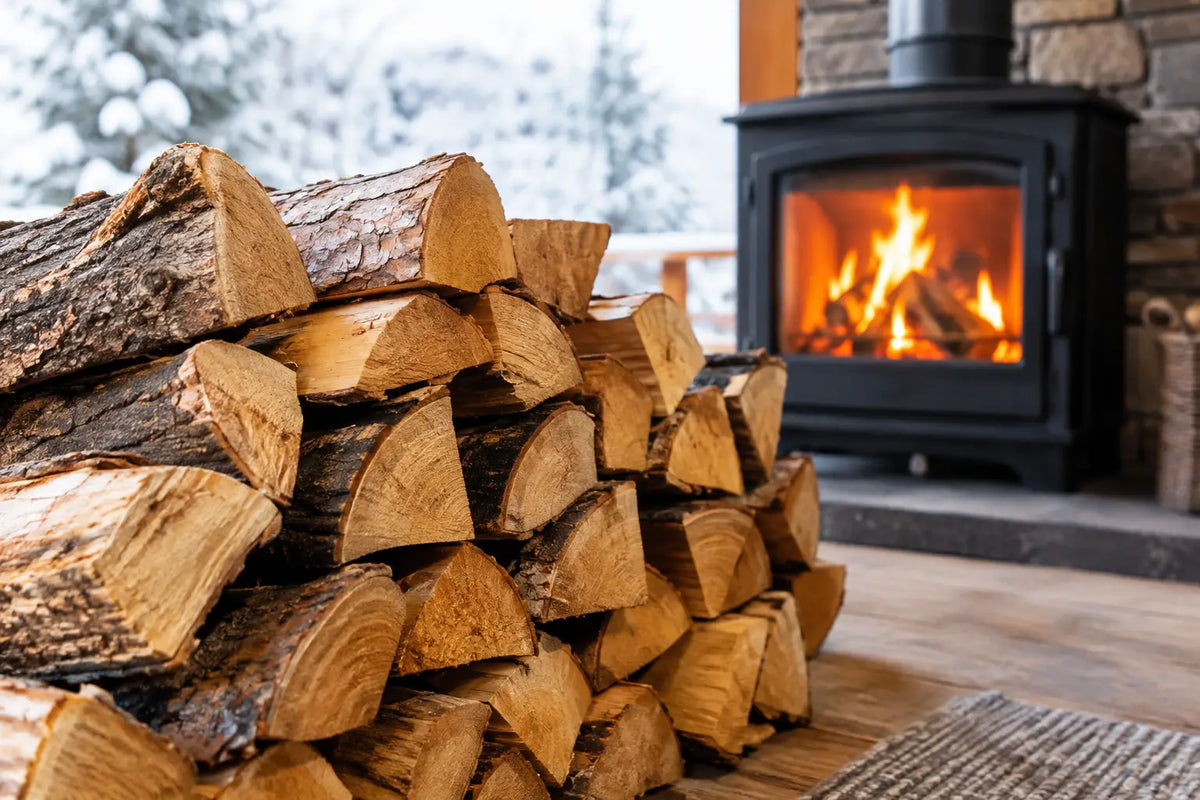
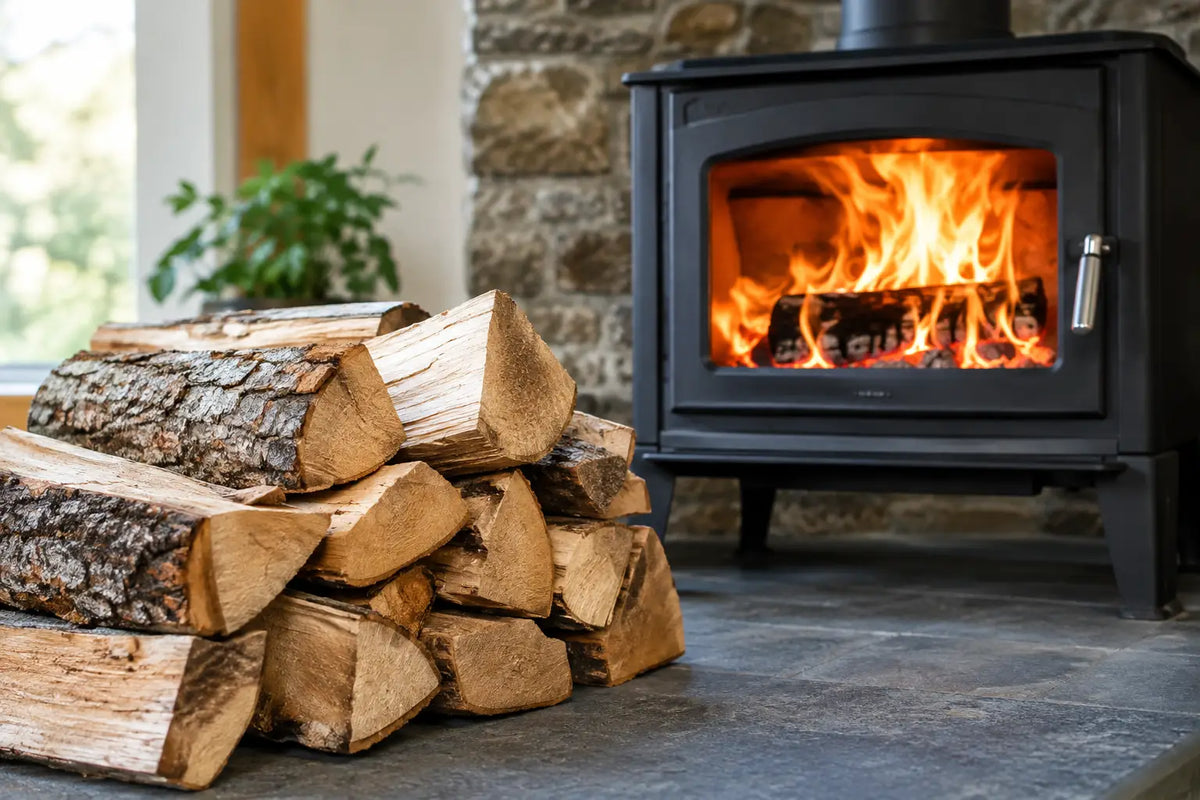
A cold evening exposes poor firewood quickly. Logs that hiss, smoke or refuse to hold a flame waste time and heat, while a neatly delivered supply of dry hardwood makes lighting the stove far more predictable. Premium crates are designed for households that want a substantial quantity of ready-to-use logs, clear value and less reliance on last-minute fuel runs.
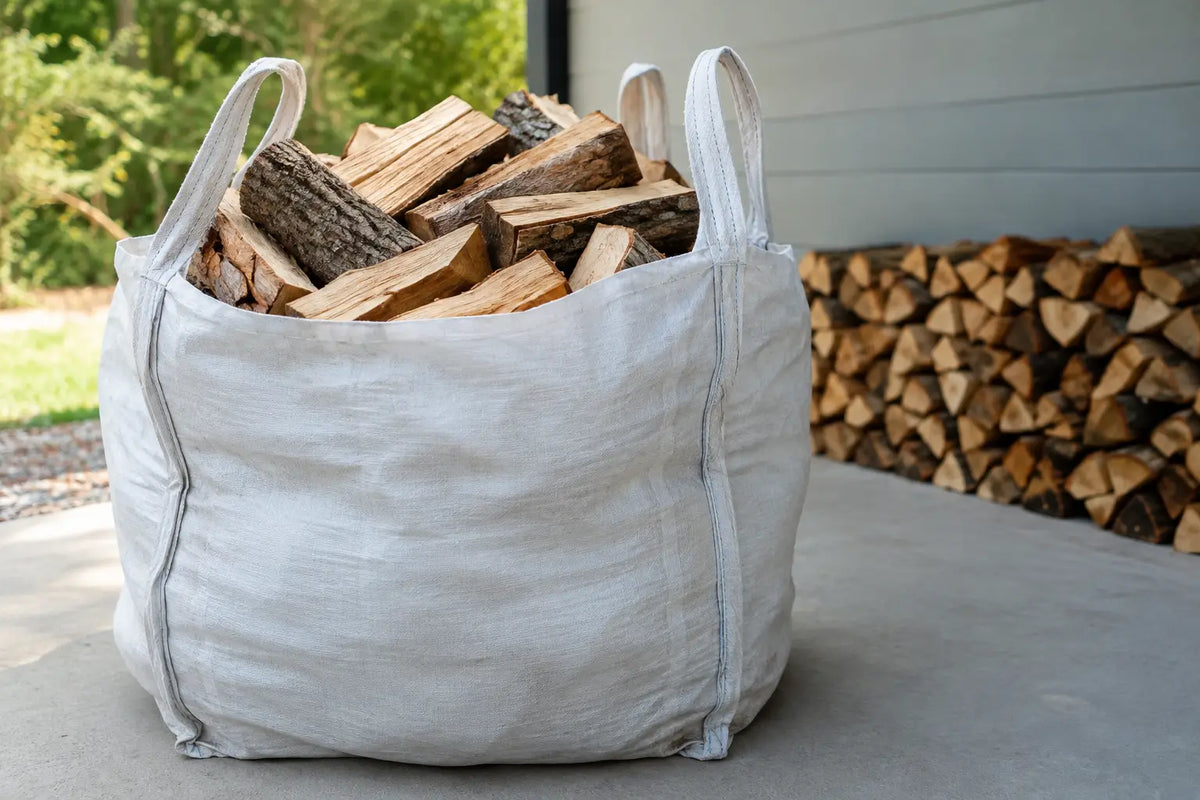
For regular stove and fireplace users, a crate is often the most practical way to buy firewood. It keeps logs contained during delivery, makes quantities easier to compare, and provides enough fuel to see a household through a meaningful part of the heating season. The right choice depends on the type of appliance you use, how frequently you burn logs and the space available for storage.
What makes premium crates worth considering?
A premium crate should mean more than a large stack of wood. The real measure of quality is how reliably the logs burn once they reach your stove. Kiln-dried wood with a moisture content below 20% is ready to burn, lights more easily and produces a cleaner, more efficient fire than unseasoned or poorly stored logs.
This matters for both comfort and maintenance. Wetter wood uses part of the fire's energy to evaporate water rather than create useful heat. It can also lead to more smoke, darker stove glass and greater soot deposits in the flue. Ready to Burn certified logs give buyers reassurance that the fuel meets recognised moisture standards for domestic use.
Crate formats also make bulk buying more straightforward. Rather than judging a loose pile by eye, you can compare stated crate dimensions, loose volume and price per cubic metre. That is a more useful comparison than focusing on the number of logs alone, which naturally changes with log length and splitting size.
Choosing the right wood in a premium log crate
The best species is not always the hardest or heaviest. Each wood has different burning characteristics, and the most suitable choice depends on how you use your appliance.
Birch is a popular option for easy lighting and a bright, lively flame. It is well suited to everyday fires, particularly where convenience matters. Alder also lights readily and burns cleanly, making it a practical choice for frequent use or for getting a fire established without fuss.
Oak, ash and hornbeam generally offer denser, longer-burning logs. They are often favoured by households looking for sustained heat from a stove during colder weather. Ash is widely valued for its dependable burn, while hornbeam is particularly dense and can provide a long-lasting fire when used in a suitable appliance. Oak burns steadily but benefits from being properly dry, which is why kiln drying and verified moisture content are so important.
Many households get the best results by using more than one type of log. Faster-lighting wood can help establish the fire, followed by denser hardwood logs to maintain heat. It is a practical approach where the stove is used daily, although one well-chosen crate of kiln-dried hardwood remains a simple and effective solution for most homes.
Log size matters as much as species
Before ordering, check your stove manufacturer's recommended log length and the internal firebox dimensions. A log that is too long is inconvenient at best and unusable at worst. Smaller logs are usually easier to arrange and quicker to ignite, while larger splits can be better for maintaining a steady fire in a larger stove.
Consistent sizing is useful because it makes loading easier and improves airflow around the fuel. Avoid overfilling the firebox. A well-built fire with space for air to circulate will normally burn more cleanly than a tightly packed load.
How to compare premium crates fairly
A low headline price does not always equal better value. Wood type, dryness, crate size, delivery charges and included extras all affect the true cost of heating with logs. Comparing the price per cubic metre, where available, gives a clearer view of what you are receiving.
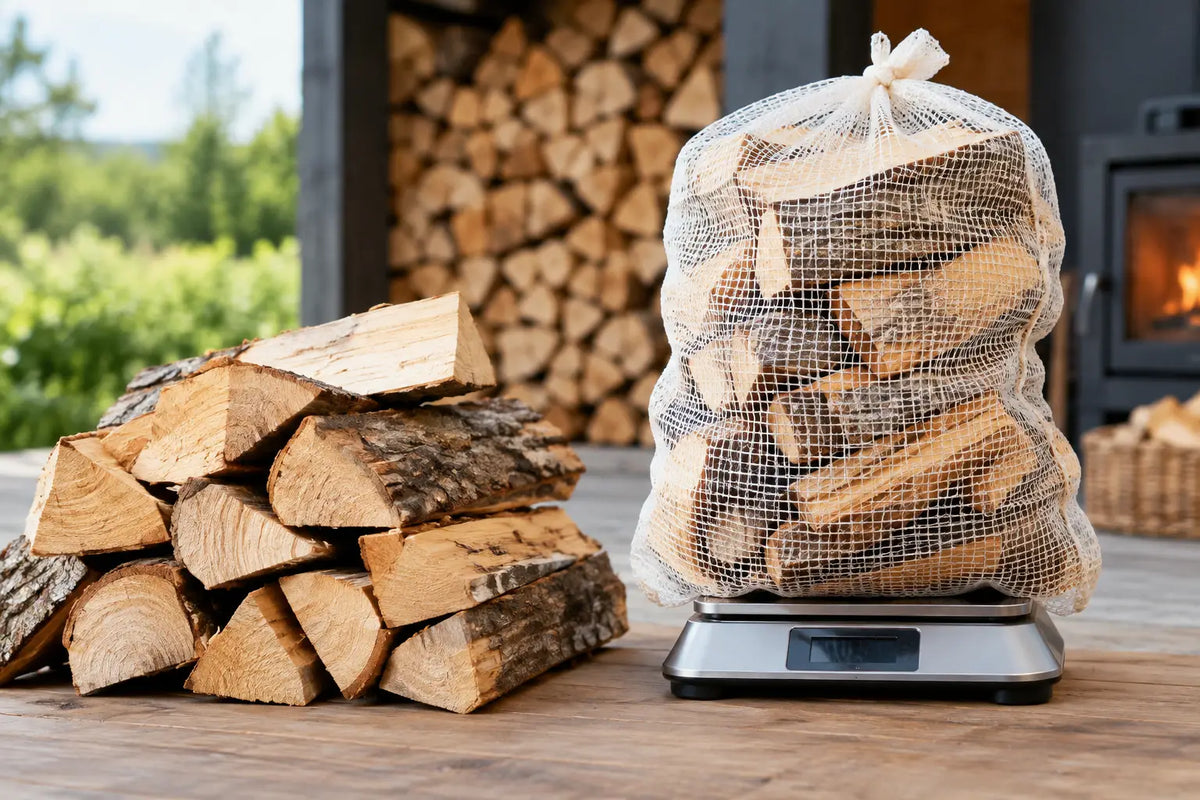
It is also worth checking whether the advertised measurement is a loose volume or a stacked volume. Logs with gaps between them occupy more space than tightly stacked wood, so descriptions should be clear about how volume is calculated. Transparent product information lets you plan your storage and assess the cost against other formats such as net bags, fire-box packs or smaller bundled loads.
Delivery is another part of the calculation. A crate is a substantial purchase, and free delivery across most mainland UK postcodes can make a significant difference to the final price. Confirm how the crate will arrive, whether pallet delivery is kerbside, and whether the access to your property is suitable for the delivery vehicle and pallet truck. Gravel drives, steep slopes, narrow lanes and steps can limit where a pallet can be placed.
Candowe provides kiln-dried, Ready to Burn certified logs in practical crate formats, helping customers compare fuel types and volumes with confidence before arranging a bulk delivery.
Storage: protect the quality you have paid for
Kiln-dried logs arrive ready to use, but they still need sensible storage. The aim is to keep rain off the wood while allowing air to move around it. A purpose-built log store, covered side shelter or dry garage with ventilation can all work well.
Keep the logs raised off bare ground where possible. A pallet, timber base or store with a raised floor helps prevent moisture being drawn up from below. Cover the top and back if the wood is outdoors, but avoid wrapping the entire stack in an airtight sheet. Trapped moisture can encourage mould and undo some of the benefit of buying dry fuel.
Think about access too. A large crate may be delivered where it is convenient for the lorry rather than where you want to burn the logs. If you need to move the wood to a rear garden or shed, allow time and a clear route. Some customers transfer the logs into a dedicated store over a few sessions; others use the crate as a temporary, weather-protected holding point while keeping a smaller basket by the stove.
How much firewood should you order?
Usage varies widely. A stove used for a few weekend evenings will need far less fuel than one providing daily supplementary heat through autumn and winter. House size, insulation, stove output, room temperature and burning habits all change the answer.
As a general rule, premium crates make most sense for regular burners who have dry storage and want to avoid repeated small orders. If you are trying a new stove, use logs only occasionally, or have limited space, smaller bags or fire-box packs may be the better starting point. Paying a little more per unit can be worthwhile when it prevents storage problems or waste.
For frequent users, ordering before the first prolonged cold spell is sensible. It gives you time to stack the wood properly and reduces the risk of depending on limited local supply when demand rises.
Getting the most heat from your logs
Good fuel performs best with good burning practice. Start with dry kindling and a suitable firelighter, then build up to smaller logs before adding larger hardwood splits. Keep air controls open enough during lighting to establish a strong flame, following your appliance manufacturer's guidance.
Once the fire is burning well, use the controls to maintain an active flame rather than allowing logs to smoulder. Smouldering fires are less efficient and create more smoke and deposits. Empty ash as recommended for your stove, have the chimney swept at appropriate intervals, and burn only suitable authorised fuels in accordance with local requirements.
A premium crate is ultimately a practical investment in dependable heat. Choose dry, certified logs in a species and size that suit your stove, make sure delivery access and storage are ready, and you will have fuel on hand when a cold evening calls for it.