Skip to content
Anthracite vs Smokeless Coal: Which Burns Better?
If you are weighing up anthracite vs smokeless coal, the right choice usually comes down to your appliance, how you like to run your fire and what matters most - longer burn time, easier lighting, lower ash or overall value. They are often grouped together, but they are not identical fuels, and that difference shows up quickly once you start using them through a cold UK winter.
For many households, the decision is less about which fuel is "best" in general and more about which one suits a particular stove, open fire or heating routine. A customer topping up evening heat in a multi-fuel stove may want something different from a buyer looking for long overnight performance or dependable heat in a workshop, pub or other small commercial setting.
Anthracite vs smokeless coal: the basic difference
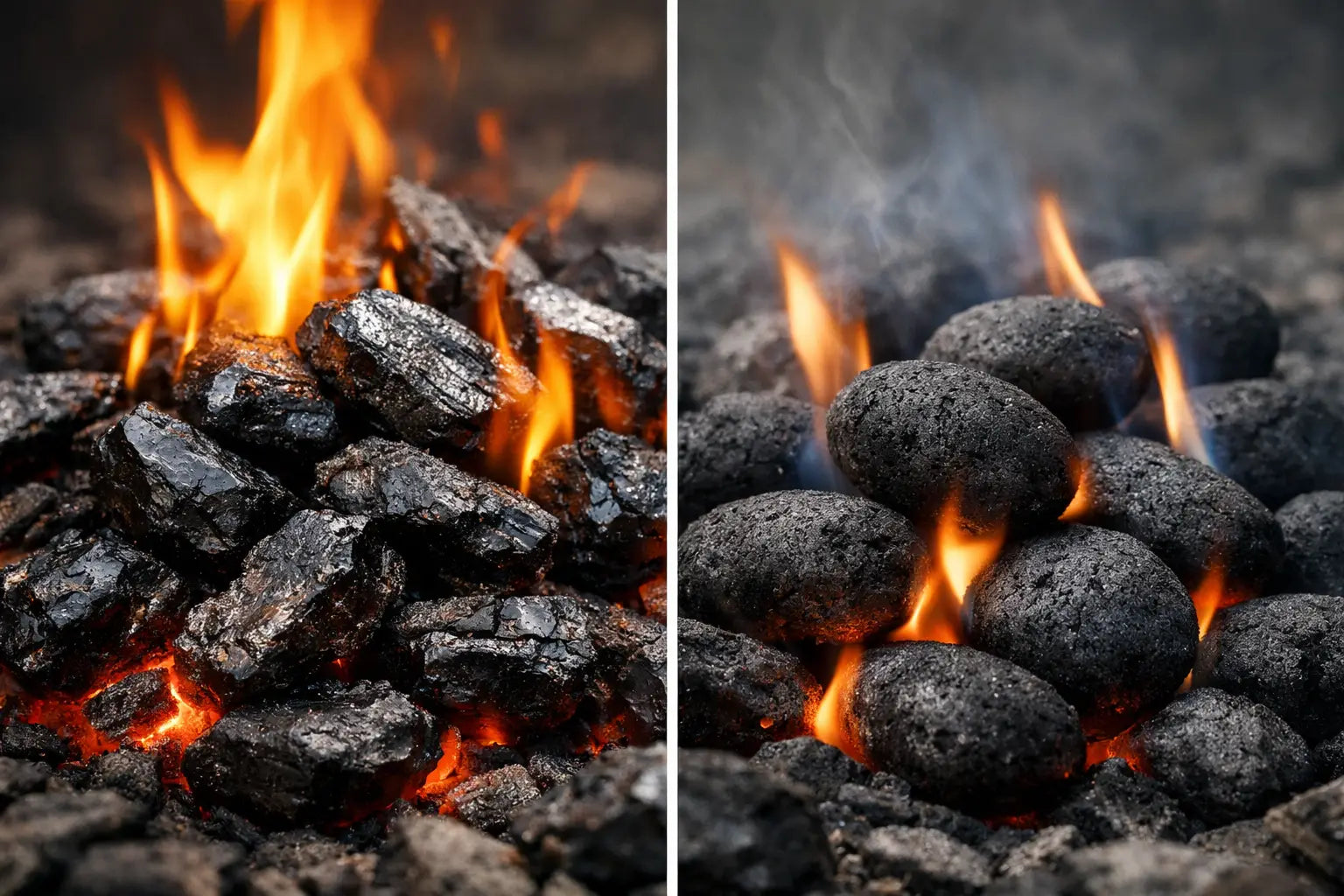
Anthracite is a naturally occurring hard coal with a very high carbon content. It is dense, burns very cleanly compared with ordinary house coal and is known for producing strong, steady heat with relatively little smoke when used correctly. It tends to be sold in graded sizes and is often chosen by people who want a longer-lasting fuel with a firm, consistent burn.
Smokeless coal is a broader category. In the UK, it usually refers to manufactured smokeless fuels designed to burn with low smoke emissions and comply with current rules for cleaner domestic burning. These fuels are commonly made from blends of carbon-rich materials and formed into ovoids, nuggets or similar shapes. Some are designed for maximum heat, others for slumbering, and others to balance easy lighting with reasonable burn duration.
That matters because not all smokeless coal performs the same way. Anthracite is one specific fuel. Smokeless coal can describe several different products with different burn characteristics, so comparing the two is partly a comparison between a natural premium fuel and a category of engineered alternatives.
Heat output and burn time
If your priority is strong heat and a long burn, anthracite is often the front-runner. Its high carbon content gives it excellent calorific value, and once it is properly established, it can hold a fire well for extended periods. Many users like it for overnight burning or for maintaining steady background heat without frequent refuelling.
The trade-off is that anthracite can be slower to catch. It usually needs a well-established bed of kindling or another firelighter fuel before it really gets going. If you prefer a fuel that responds quickly and gives a fast lift in room temperature, some manufactured smokeless fuels can feel more convenient day to day.
Smokeless coal varies more. Good-quality smokeless briquettes can still deliver impressive heat and a respectable burn length, but performance depends on the blend. Some products light more easily than anthracite and are simpler for occasional users. Others are built for long slumbering burns and suit households that want to keep a stove in for hours at a time. In practice, there is no single answer unless you are comparing named products side by side.
Lighting and day-to-day use
This is where the difference becomes clearer in real homes. Anthracite is reliable once established, but it is less forgiving at the lighting stage. It needs good airflow, a proper base fire and a little patience. In the wrong appliance, or with restricted air controls, it can feel stubborn.
Smokeless coal products are often made with ease of use in mind. Many light more readily, settle faster and are simpler to manage for households that do not want to spend extra time building the fire. That can make a noticeable difference if you use your stove mainly in the evening after work and want dependable heat without much adjustment.
For experienced solid-fuel users, anthracite is rarely difficult. For newer stove owners, a quality smokeless fuel can be the easier starting point.
Ash, cleanliness and maintenance
Both anthracite and smokeless coal are cleaner-burning options than traditional house coal, but there are still practical differences. Anthracite generally produces low volatile emissions and can leave relatively little residue for the amount of heat it gives. Many users value the cleaner burn and reduced mess around the hearth.
Smokeless coal can also perform very well here, especially premium manufactured fuels, though ash levels depend on the formulation. Some leave a fine, manageable ash. Others can create more clinker or more frequent grate maintenance, especially if the appliance is run at lower settings for long periods.
In simple terms, if you want a fuel known for a clean, efficient burn and low smoke characteristics, anthracite has a strong reputation. If you want convenience and flexibility, the best smokeless fuels can still meet that standard, but product quality matters more.
Appliance suitability matters most
Before price or burn profile, check what your stove or fire is designed to burn. Not every appliance is suitable for every smokeless fuel, and anthracite in particular performs best in appliances built to handle it properly. Air supply, grate design and manufacturer guidance all affect results.
Multi-fuel stoves are often well suited to smokeless fuels, including anthracite, but you should always check the appliance instructions. Some closed appliances work brilliantly with one fuel and poorly with another, even when both are technically allowed. Open fires can also behave differently, often favouring fuels that are easier to light and manage in a less controlled burn environment.
If you live in a Smoke Control Area, compliance is another key point. You need to use the right authorised fuel and an appropriate appliance where required. The safest approach is always to match the fuel to both the legal requirements and the stove manufacturer’s recommendations.
Cost and value over a heating season
On the face of it, anthracite can look more expensive per bag than some smokeless alternatives. That does not automatically mean it costs more to heat your home. Because it is dense and high in carbon, it can deliver more usable heat and a longer burn from the same volume, which improves value over time.
That said, value depends on how you use it. If your fire is lit only for short evening bursts, a more responsive smokeless fuel may be the better buy because it gets to useful heat faster and wastes less time in the lighting stage. If you are heating for long periods, especially in colder weather, anthracite’s burn duration can justify the higher upfront cost.
Bulk buying also changes the picture. Households that stock fuel properly and order ahead usually get better value by planning for the season rather than buying small amounts in cold snaps. That applies whether you choose anthracite or a premium smokeless product.
Which fuel is better for your priorities?
If you want maximum heat, long burn time and a dense, efficient fuel, anthracite is often the stronger option. It suits experienced users, longer heating periods and appliances that can make the most of its characteristics.
If you want easier lighting, flexible day-to-day use and a wider choice of product types, smokeless coal may be the better fit. It can be especially practical for households that want less effort at start-up or need a fuel that behaves more predictably in their specific stove.
The better question is not whether anthracite beats smokeless coal in every case. It is whether your stove, your heating pattern and your budget favour one over the other.
How to choose with confidence
A sensible buying decision starts with three checks. First, confirm what your appliance manufacturer recommends. Second, think honestly about how you use your fire - quick evening warmth is not the same as all-day or overnight heating. Third, buy quality from a supplier that gives clear product information, reliable delivery and fuel suited to UK domestic heating needs.
That is especially important when ordering online. Clear specifications, consistent grading and dependable fulfilment save a lot of frustration once temperatures drop. For households and trade buyers alike, the real value is not just the fuel itself but getting the right fuel, in the right quantity, delivered when needed.
Candowe supplies both anthracite and smokeless solid fuels alongside kiln-dried firewood and other dependable heating products, helping customers compare options with a clearer view of burn performance, value and convenience.
If you are still deciding between the two, think less about labels and more about the result you want from your stove each day. The best fuel is the one that burns cleanly, suits your appliance and gives you steady heat without turning every cold evening into guesswork.