EMAIL US
 WhatsApp
 FREE DELIVERY TO 95% OF UK POST CODES




Hardwood Logs for Sale: What to Look For

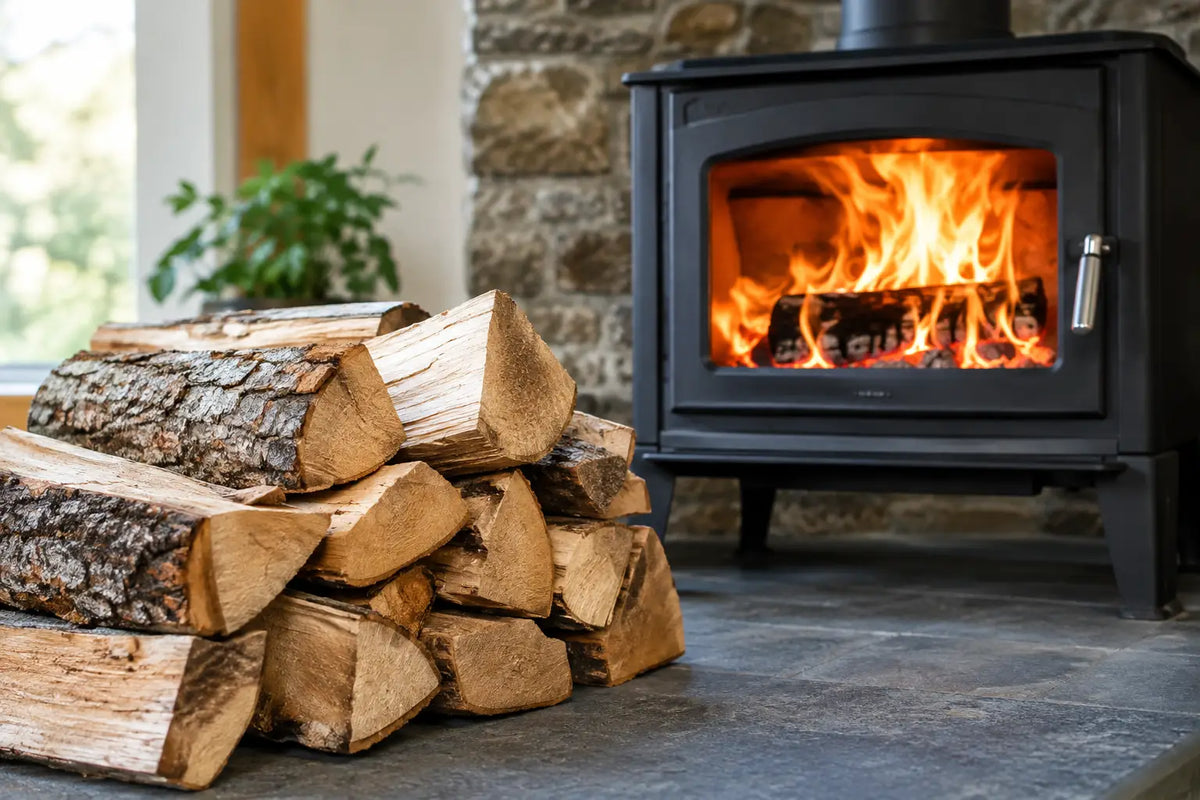
A stove that smokes on lighting, blackens the glass quickly or needs constant attention is often being fed fuel that is too wet. When searching for hardwood logs for sale, the key question is not simply which wood looks best in the basket. It is whether the logs are dry, correctly sized, responsibly sourced and supplied in a volume that makes sense for your home.
For UK households using a log burner, open fire or multi-fuel stove, kiln-dried hardwood removes much of the uncertainty that comes with unseasoned firewood. It arrives ready to use, burns more cleanly and gives you a clearer idea of the value you are receiving.
What Makes Quality Hardwood Firewood Different?
The most useful measure of firewood quality is moisture content. Freshly felled wood contains a high level of water. Burning it means using a significant part of the fire's energy to boil that water away before the log can provide meaningful heat. The result can be a fire that is difficult to light, less efficient and more likely to produce smoke and deposits in the flue.
Ready to Burn certified logs have a moisture content of 20% or below. This is the standard domestic users should look for when buying wood in England, particularly when purchasing small volumes. Kiln drying brings the moisture level down in a controlled process, so the logs can be used as delivered rather than being stored and seasoned for months or years.
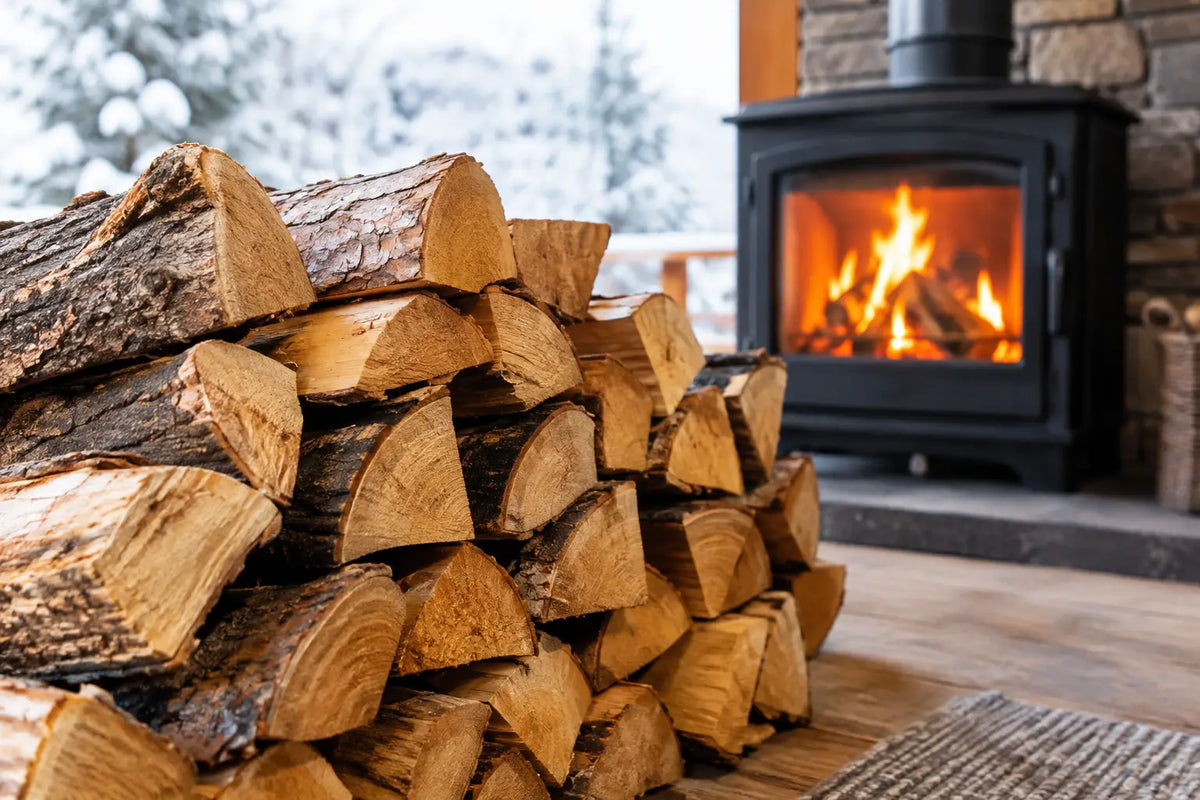
Dry logs also make day-to-day stove use easier. They catch more readily with suitable kindling and firelighters, produce a steadier flame and leave less residue on the stove glass. No fuel burns without some ash, but dry hardwood generally gives a more efficient, cleaner burn than wet wood of any species.
Hardwood Logs for Sale: Which Species Suits Your Fire?
There is no single best hardwood for every household. Your choice depends on how you use your appliance, the heat you want and whether you prefer an easy-starting fire or a longer, slower burn.
Birch is a popular choice for regular home use. Its bark lights readily, and kiln-dried birch gives a bright, attractive flame with dependable heat. It is particularly useful for getting a fire established, although it is less dense than some alternatives and may burn through faster.
Alder is another practical option that lights well and offers a clean, consistent burn. It can suit households that want straightforward fuel for shorter evening fires or frequent top-ups. Ash has long been valued as a reliable all-round firewood, combining good heat output with easy handling and a pleasant, steady flame.
For longer burn times, denser species are often preferable. Oak burns slowly and can provide sustained heat once a proper fire bed is established. Hornbeam is denser still, making it a strong choice for those who want high heat output and a longer-lasting fire. The trade-off is that denser logs can benefit from a well-established flame and good airflow when first added.
A mixed hardwood crate is often the sensible answer if you are still learning what works best in your stove. It provides variety without committing to one species, and it can be useful for matching the fuel to the time of day: quicker-lighting logs for early evening, denser logs for keeping the room warm later on.
Choose the Right Volume, Not Just the Lowest Price
Firewood is sold in several formats, from small net bags and fire-box packs to large crates and palletised loads. Each format has its place, but comparisons only work when you look beyond the headline price.
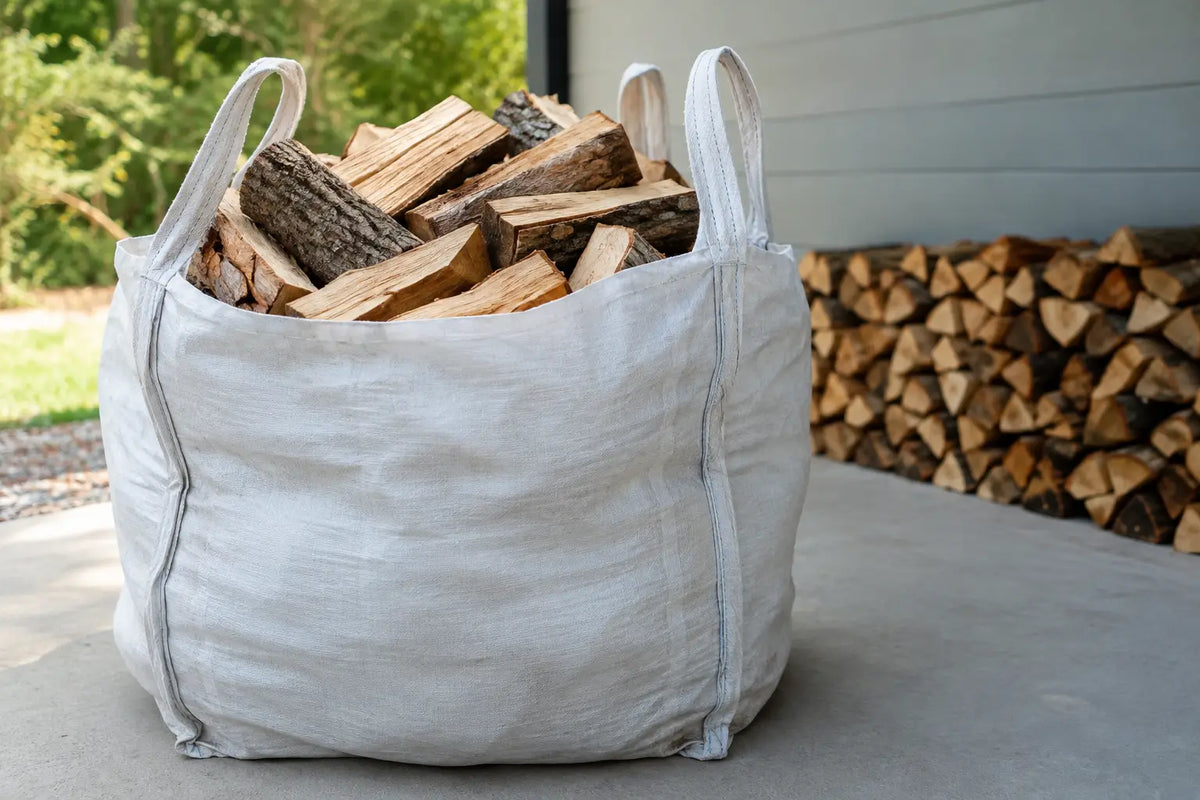
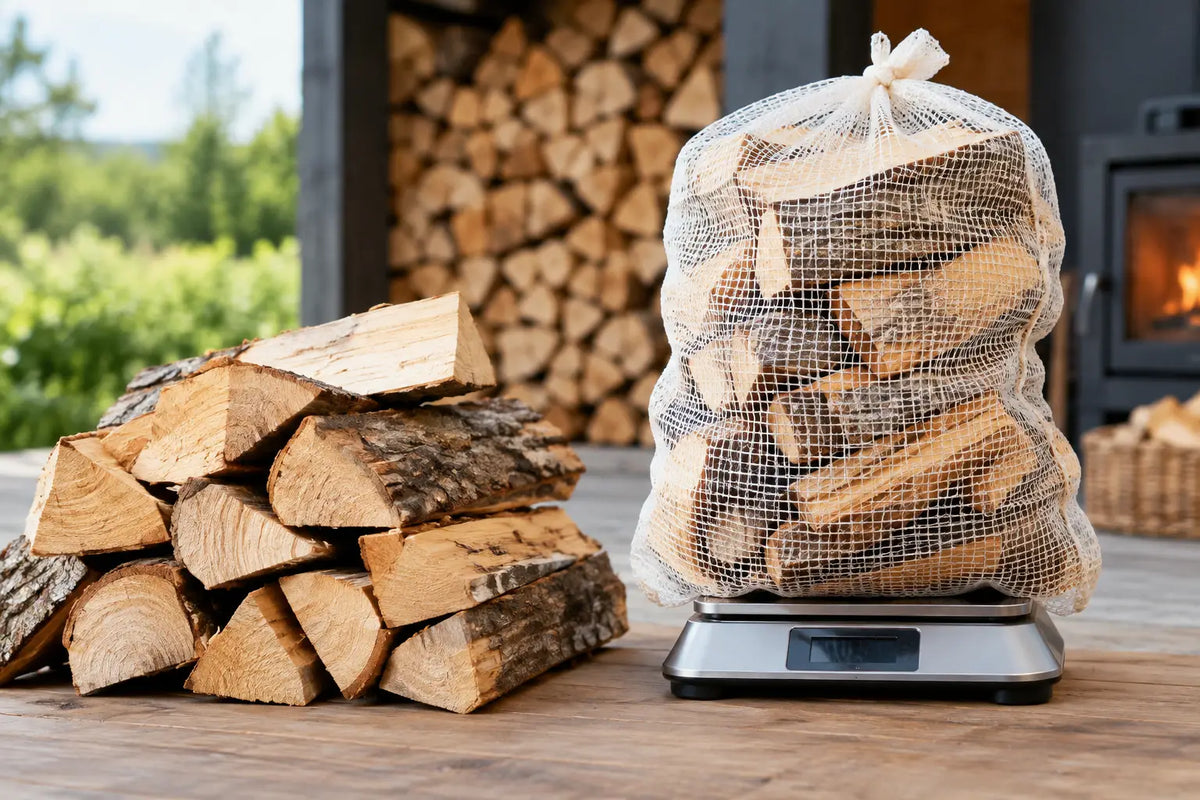
Small bags are convenient when space is tight, when you need fuel quickly or when you want to try a particular species. They are also easy to carry indoors. However, they usually cost more per cubic metre than buying in bulk. A hard crate or larger pallet delivery typically offers better value for households that use their stove several times a week through autumn and winter.
When comparing products, check whether the stated volume is loose or stacked, and whether the supplier clearly explains crate dimensions or log quantity. A low price can be misleading if the load is smaller than expected or contains logs with excessive moisture. Transparent volumetric information gives you a fairer basis for working out cost per cubic metre.
Your likely usage should guide the order size. An occasional weekend fire may only require bags or a compact box. A household using a stove as a regular supplementary heat source is more likely to benefit from a crate. If wood is your primary heating fuel, a larger delivery can reduce the need for repeat orders, provided you have dry, ventilated storage available.
Calculate Value Through Usable Heat
It is tempting to judge hardwood logs by how many pieces you receive, but log size and moisture level can make that comparison unreliable. What you need is fuel that turns into useful heat in your room, rather than steam and smoke up the chimney.
A dry, dense log may cost more upfront than a damp bag from an uncertain source, yet it can deliver more heat for its volume and burn with less effort. It can also reduce the frustration of repeated relighting and constant refuelling. For regular users, that reliability matters as much as the initial price.
There is also a maintenance consideration. Wet wood can encourage soot and tar deposits in a flue, especially where a stove is operated at a low temperature. Correctly dried fuel does not remove the need for professional sweeping and proper appliance operation, but it supports cleaner use between sweeps.
Look for clear information on certification, moisture content, species and volume. These details are practical proof of what you are buying, not just marketing language.
Delivery and Storage Matter as Much as the Logs
Buying online should make fuel planning easier, particularly before colder weather arrives. A dependable supplier will set out the delivery format, fulfilment times and postcode coverage clearly. Free delivery across most mainland UK postcodes can make bulk buying more predictable, while flexible payment options can help households spread the cost of a larger fuel order.
Before ordering a crate, consider access to your property. A pallet delivery needs an appropriate, accessible drop-off point, and the delivery vehicle may not be able to place the crate exactly where you plan to store it. Moving logs little and often with a log carrier is usually more manageable than trying to relocate a full load at once.
Once delivered, keep logs raised off the ground and protected from rain above, while leaving the sides open to airflow. A covered log store, garage with ventilation or sheltered outdoor area works well. Avoid sealing logs in an airtight shed or covering the stack completely with a tarpaulin, as trapped moisture can affect the fuel's condition.
Bring only a small supply indoors at a time. This keeps the main stock dry and avoids creating unnecessary mess or clutter around the stove.
Buy Fuel You Can Use Straight Away
The strongest firewood purchase is one that fits your appliance, storage space and pattern of use. Start with dry, Ready to Burn certified hardwood, then choose the species and volume that suit the way you heat your home. Birch, alder and ash are practical everyday choices; oak and hornbeam can offer lasting heat when your stove is already burning well.
Candowe supplies kiln-dried hardwood in formats ranging from convenient bags to larger crates, helping households compare fuel by clear volume and select a delivery that suits their needs. Ordering quality logs before your existing store is running low gives you time to stack them properly and means your next fire can be lit with fuel you can trust.