EMAIL US
 WhatsApp
 FREE DELIVERY TO 95% OF UK POST CODES




EN+ Wood Pellets for Cleaner UK Stove Heating

A pellet stove is designed to give controlled, efficient heat, but it can only perform as well as the fuel fed into it. When customers search for en+ wood pellets, they are usually looking for ENplus-certified pellets - a recognised quality standard that helps separate consistent premium fuel from bags of unknown origin.
For a UK household relying on a pellet stove or biomass boiler, that difference matters. Good pellets produce steady heat, leave less ash, support cleaner operation and reduce the risk of avoidable maintenance. They should not be treated as interchangeable with loose firewood, briquettes or ordinary wood offcuts.
What EN+ wood pellets usually means
The term EN+ is commonly used as shorthand for ENplus. ENplus is a certification scheme for wood pellets that covers fuel quality and supply-chain handling. It is intended to give buyers confidence that pellets meet stated standards from production through to delivery, rather than being assessed only at the mill.
Most domestic pellet appliances are designed around premium ENplus A1 pellets. This is the grade typically associated with very low ash content, controlled moisture and a consistent pellet size. Those properties help the appliance feed fuel reliably and burn it efficiently.
The plus sign matters less than the information behind it. Before buying, check that the product clearly states its certification and grade, and that the packaging identifies the producer or supplier properly. Vague descriptions such as “high-quality pellets” are not a substitute for a recognised standard.
Why pellet quality changes the way your stove runs
Pellet appliances use an auger or feed system to move fuel into a burn pot at a controlled rate. Unlike a traditional log burner, where the user can reposition logs and adjust airflow by hand, a pellet stove depends on uniform fuel to do its job predictably.
Well-made pellets are dense and consistent. They ignite as intended, feed cleanly and provide dependable output. Lower-grade pellets can contain more dust, produce more clinker or ash, and vary in length or density. That may lead to poor combustion, blocked burn pots, more frequent cleaning and error messages from the appliance.
Ash is one of the clearest practical differences. Even good pellets create ash, so regular cleaning remains part of safe stove ownership. However, low-ash pellets mean less residue in the ash pan and heat exchanger, which can reduce the time spent maintaining the appliance. For homes using a pellet stove every day through winter, this is a worthwhile consideration rather than a minor detail.
Moisture is equally important. Pellets should be dry and protected from damp. Excess moisture reduces their energy value and can cause them to swell or break down into sawdust. Once pellets have absorbed water, they are no longer suitable for use in a stove.
A1, A2 and other grades
ENplus A1 is generally the right choice for domestic use. A2 pellets can have a higher permitted ash content and may suit some larger commercial or industrial systems, but they are not automatically appropriate for a household pellet stove. Always follow the appliance manufacturer’s fuel specification.
Never assume that a pellet is suitable simply because it is made from wood. Some products are intended for animal bedding, industrial use or other purposes and may not meet the requirements of a domestic heating appliance. The manual supplied with your stove or boiler should be the final authority on grade, diameter and acceptable fuel types.
Choosing the right pellets for your appliance
Start with the appliance manual. Look for the required pellet diameter, usually 6 mm for many domestic systems, as well as the recommended quality grade. Buying a certified product that does not match the stove’s stated specification can still cause feeding or combustion problems.
Next, consider how much fuel you use. Small bags are useful for topping up a hopper or trying a new product. Larger quantities often offer better value per kilogram and make sense for regular users, provided there is a dry place to keep them. A pallet delivery can be practical for households that rely on pellet heating as a primary or significant supplementary heat source.
Price should be compared on a like-for-like basis. Check the bag weight, total quantity, certification grade and delivery terms, not simply the headline price. A cheaper bag that produces noticeably more ash or inconsistent heat may cost more in cleaning time, servicing and wasted fuel.
It is also sensible to buy enough for the heating period without overstocking beyond your storage capacity. Pellets are compact, but they must stay dry. A garage, shed or utility area can work well if it is weatherproof, raised from a damp floor where possible, and protected from leaks and condensation.
Storing EN+ wood pellets properly
Keep bags sealed until they are needed. Store them away from direct contact with concrete floors, external walls that sweat in cold weather, and doors that may let in rain. If you have opened a bag, use it promptly or reseal it carefully in a dry container.
Avoid keeping loose pellets in a container that has previously held liquids, chemicals or garden products. Pellets can absorb moisture and odours, and contamination is not worth the risk to your appliance or indoor air quality. Clean, dry storage is simple but essential.
When receiving a larger delivery, inspect the wrapping before moving it indoors or into storage. Small amounts of loose dust in a bag can be normal, but heavily broken pellets or water-damaged packaging should be raised with the supplier before use. Taking this step at delivery is far easier than identifying the issue halfway through a cold evening.
Pellets, logs and briquettes are not direct substitutes
All solid fuels need the right appliance. ENplus pellets belong in a pellet stove or biomass boiler designed for them. They should not be burned in a conventional log burner, open fire or multi-fuel stove unless the manufacturer specifically confirms it is safe and suitable.
Likewise, kiln-dried logs and wood briquettes are not suitable replacements for pellets in an automatic pellet system. Their shape, moisture characteristics and combustion behaviour are completely different. Using the wrong fuel can damage the appliance, invalidate a warranty and create a safety issue.
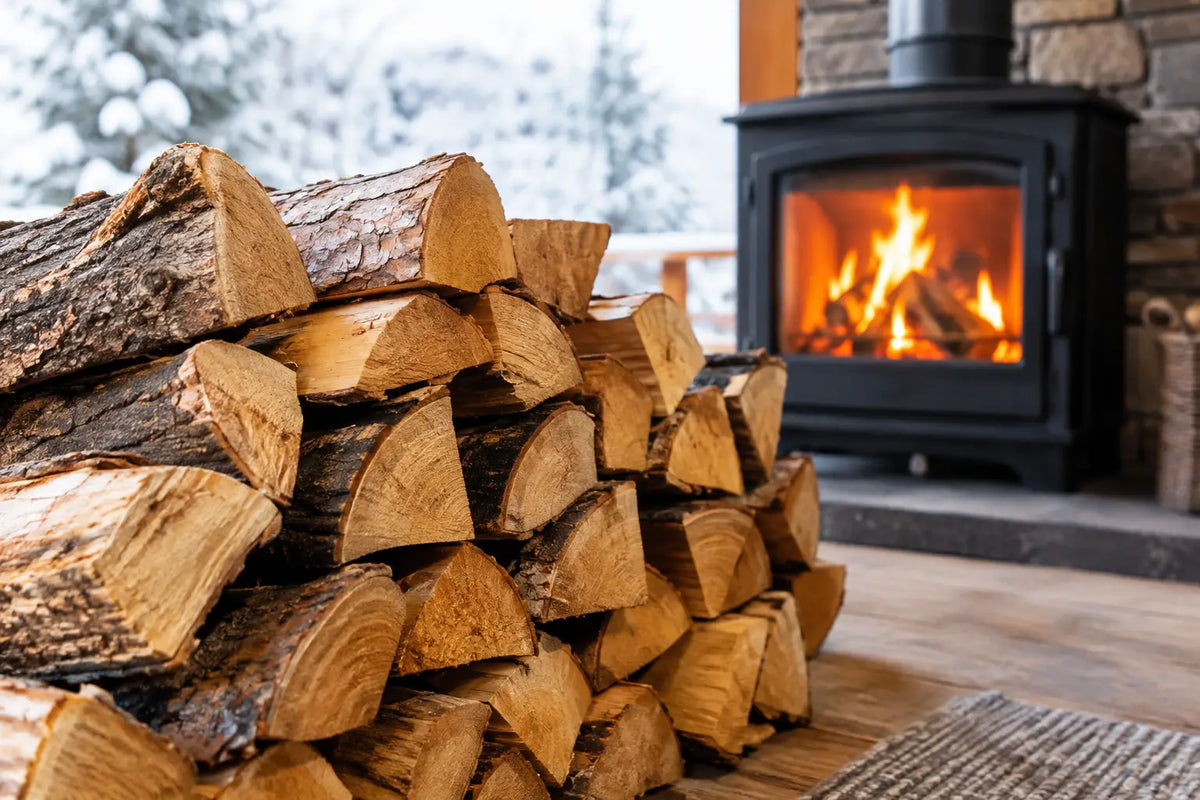
For a traditional wood-burning stove, Ready to Burn kiln-dried logs with moisture below 20% are normally the more appropriate choice. For a dedicated pellet appliance, certified pellets are the practical route to controlled, low-maintenance heating. Choosing the correct fuel is as important as choosing a good-quality fuel.
Cleaner burning starts with the full setup
Premium pellets support efficient combustion, but they are only one part of the picture. A stove needs professional installation, adequate ventilation, a suitable flue and routine servicing. Follow the manufacturer’s cleaning schedule, empty ash safely only when cold, and have the appliance checked by a qualified professional as recommended.
The fuel feed and burn pot deserve particular attention. A small build-up of ash can affect airflow over time, while excess dust in the hopper may interfere with feeding. Regular, straightforward care protects efficiency and helps your stove deliver the dependable warmth you expect.
For buyers who want clearly specified solid fuel delivered to their door, Candowe offers practical options for home heating needs, with product information that makes comparing fuel formats easier. The right choice will always depend on the appliance you own, your storage space and how often you use it.
A bag of certified pellets may look simple, but it is a precision fuel for a precision appliance. Choose the grade your manufacturer recommends, keep it dry, and give the stove the routine care it needs. You will get steadier heat, less mess and far fewer surprises when the temperature drops.